For fast honey-super clearing, solar fume boards are usually the more efficient choice, while bee escape boards are the lower-chemical, lower-disturbance option. A solar fume board can drive bees downward within minutes during a single apiary visit, whereas a bee escape board relies on a one-way valve and typically requires installation in advance and a later return visit. The right choice depends mainly on harvest speed, labor availability, chemical-management preferences, and operating scale.
Solar fume boards prioritize speed and single-visit efficiency; bee escape boards prioritize passive, repellent-free clearing. Neither method is universally superior, and both work best when the supers are properly prepared and bees cannot re-enter them.
How Each Method Clears Bees
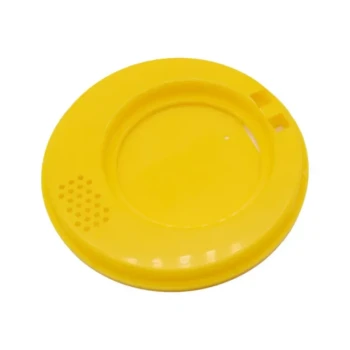
Bee escape boards use a passive one-way system
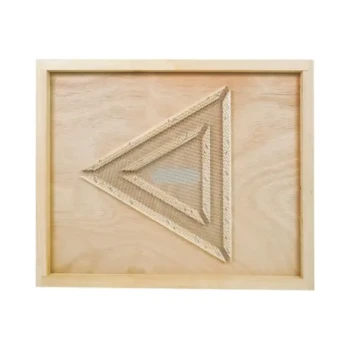
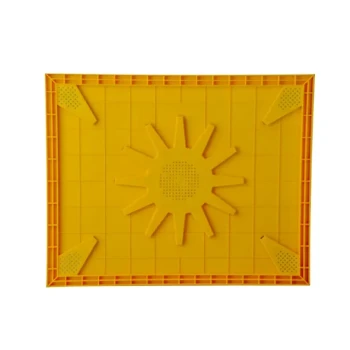
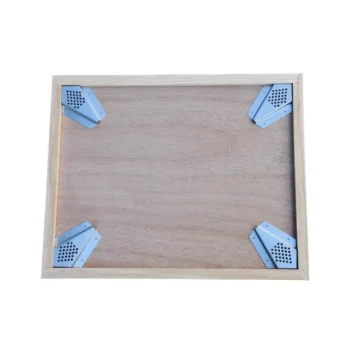
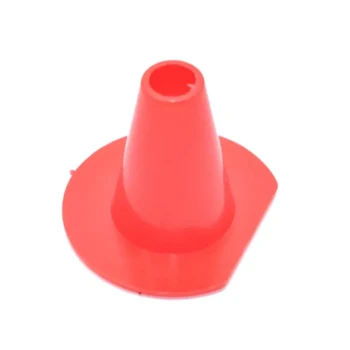
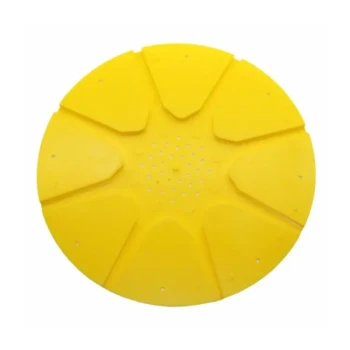
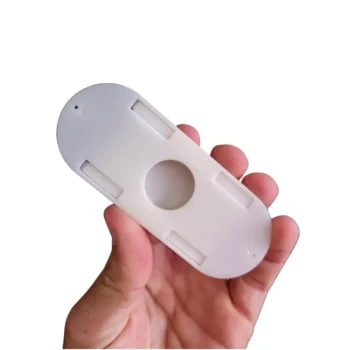
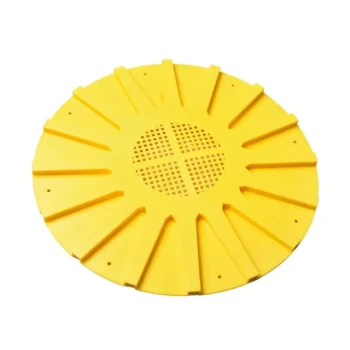
A bee escape board is installed between the brood boxes and honey supers. Worker bees move downward into the hive but are prevented from returning to the super through the one-way maze or valve.
The process is passive and does not require smoke or repellent. Depending on the board, colony conditions, and installation, clearing may take overnight to several days.
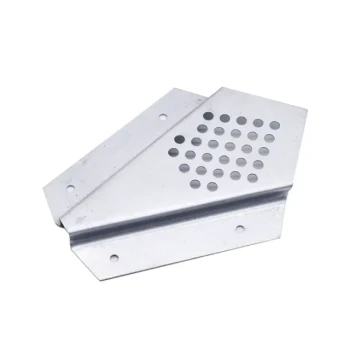
Solar fume boards use heat and repellent vapor
A solar fume board is placed on top of the honey super after the inner and outer covers are removed. Its dark cover absorbs solar heat, warming an absorbent fabric treated with an approved bee-repellent product.
The resulting fumes encourage bees to move downward rapidly, often within approximately 5 to 15 minutes under suitable conditions. The super must then remain properly sealed against re-entry.
Head-to-Head Comparison
| Consideration | Bee escape board | Solar fume board |
|---|---|---|
| Clearing speed | Slow; commonly overnight to several days | Fast; often minutes |
| Apiary visits | Usually requires installation and a later collection visit | Can support clearing and harvesting in one visit |
| Repellent use | None | Requires an approved repellent |
| Bee disturbance | Generally low | Higher than a passive escape because fumes drive bees downward |
| Labor efficiency | Less efficient for urgent or high-volume harvests | Highly efficient for multiple hives |
| Operating conditions | Less dependent on sunlight | Works best with adequate solar heat |
| Failure risks | Valves can clog or become ineffective | Incorrect dosing or poor sealing can reduce effectiveness |
| Best fit | Small-scale or planned harvesting | Commercial, time-sensitive, or multi-hive operations |
Where Bee Escape Boards Work Best
They suit chemical-free management preferences
Bee escapes clear supers without applying a repellent, which makes them attractive to beekeepers who prefer a passive and chemical-free hive-clearing method.
They also avoid concerns about excessive repellent exposure affecting honey aroma or taste. This does not eliminate the need for correct equipment use, but it removes repellent application from the process.
They work well when harvesting can be scheduled
An escape board is practical when the beekeeper can plan installation 24 to 48 hours or longer before harvest. The method trades speed for simplicity and reduced disturbance.
For smaller apiaries, the additional visit may be acceptable if labor and travel time are not major constraints.
They can be less reliable with obstructions
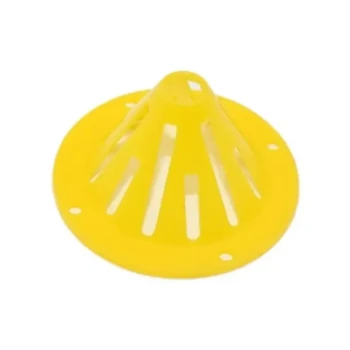
A single-exit escape can become obstructed by drone bees, propolis, or other debris. If the passage is blocked, bees may remain in the super and the beekeeper may need to inspect or correct the setup.
Escape boards are also less effective when brood is present in the honey super, because bees are less likely to abandon brood-containing areas.
Where Solar Fume Boards Work Best
They reduce harvest time
The main advantage of a solar fume board is speed. When sunlight and temperature are sufficient, it can move bees out of the supers within minutes rather than requiring an overnight waiting period.
This is especially valuable for commercial operators handling many hives during a compressed harvesting window.
They support single-visit workflows
Because the board is applied immediately before removal, a beekeeper can often clear and collect supers during the same apiary visit. That can reduce travel, labor, and scheduling complexity.
For distributors and professional users, this makes solar fume boards a strong fit for efficient, repeatable field operations.
They require correct repellent management
The absorbent pad must receive the appropriate amount of an approved repellent. Too little may fail to move the bees, while too much can create excessive stress or unwanted odor concerns.
The board should be used for the shortest effective period, and product-label directions must govern application, handling, and food-contact considerations.
Understanding the Trade-offs
Speed comes with more operational sensitivity
Solar fume boards are fast, but their performance depends on adequate solar heating, correct repellent dosing, and effective placement. Cloudy or cool conditions may reduce vaporization and slow clearing.
Bee escapes are less dependent on immediate weather conditions, but their longer operating time creates more opportunity for bees to remain in the super or for the system to become obstructed.
One visit versus two visits affects real cost
The purchase price of the tool is only part of the decision. With bee escapes, the beekeeper typically needs one visit to install the board and another to collect the cleared supers.
Solar fume boards may have higher consumable and handling requirements, but their single-visit workflow can produce lower labor and transport costs at commercial scale.
Bees must be prevented from returning
Both methods can underperform if the cleared super is not properly separated from the colony. With solar fume boards especially, supers should be removed or secured promptly after the bees move downward.
A gap, loose cover, or poorly fitted equipment can allow bees to re-enter and undermine the clearing process.
Neither tool replaces inspection
Before harvesting, inspect the super for brood, unusual bee activity, obstructions, and equipment gaps. An escape board may not clear a super containing brood, while a fume board may not perform consistently if the application surface or hive arrangement is unsuitable.
Choosing for Different Apiary Scales
Small or hobby apiaries
Bee escape boards are often suitable when harvest timing is flexible and avoiding repellents is a priority. The beekeeper can install them ahead of time and return after the clearing period.
A solar fume board may still be preferable when supers must be harvested immediately or when repeated brushing and shaking would be more disruptive.
Commercial apiaries
Solar fume boards generally offer the stronger operational case for high-volume work. Their rapid clearing time and potential to support a single visit can improve crew productivity and order fulfillment during peak harvest periods.
Commercial users should standardize approved repellents, application amounts, equipment fit, and staff procedures to keep results consistent across many hives.
Resellers and distributors
A practical product portfolio should include both technologies rather than treating them as interchangeable. Escape boards serve planned, low-repellence applications, while solar fume boards serve speed-sensitive professional operations.
Reliable supply of boards, replacement valves, absorbent pads, approved repellents, and compatible hive equipment is important because field delays often arise from missing accessories rather than the primary tool itself.
How to Apply This to Your Goal
Select the method based on the operational constraint that matters most—not simply the equipment’s purchase price.
- If your primary focus is maximum harvest speed: Choose solar fume boards, provided sunlight, approved repellent, correct dosing, and proper sealing are available.
- If your primary focus is chemical-free hive clearing: Choose bee escape boards and plan installation far enough ahead of harvest.
- If your primary focus is minimizing apiary visits: Favor solar fume boards for their rapid, same-visit workflow.
- If your primary focus is low colony disturbance: Favor bee escape boards, while checking for drone or propolis blockage.
- If your primary focus is commercial scalability: Standardize solar fume board procedures and maintain a dependable supply of consumables and replacement components.
- If your primary focus is broad customer coverage as a reseller: Stock both options so customers can match the tool to their harvest schedule, management philosophy, and operating scale.
The best choice is the one that aligns clearing speed, bee-management preferences, labor, weather, and harvest logistics into a reliable field process.
Summary Table:
| Consideration | Bee escape board | Solar fume board |
|---|---|---|
| Clearing speed | Slow; overnight to days | Fast; minutes |
| Apiary visits | Usually two visits | Can be one visit |
| Repellent use | None | Required |
| Bee disturbance | Low | Higher |
| Labor efficiency | Lower | Higher |
| Weather dependence | Less | More |
| Failure risks | Valve blockage | Dosing/sealing issues |
| Best fit | Small-scale, planned | Commercial, time-sensitive |
Looking for reliable beekeeping tools to optimize your harvest? HONESTBEE offers a full spectrum of bee escape boards, solar fume boards, and all your beekeeping equipment needs. As a trusted wholesale supplier for commercial apiaries and distributors, we provide ultra-fast delivery, OEM/ODM support, and dedicated service to keep your operations running efficiently. Contact us today to discuss your bulk orders and see how we can boost your productivity!
Related Products
- HONESTBEE Wooden Bee Escape Board with Triangle Mesh Design for Beekeeping
- HONESTBEE Multi Exit Plastic Bee Escape Board for Efficient Honey Harvesting
- HONESTBEE 4-Way Metal Corner Wooden Bee Escape Board
- Slatted Porter Style Bee Escape for Rapid Hive Clearing
- Professional Cone Style Bee Escape for Efficient Honey Harvesting
People Also Ask
- How is a bee escape board used to clear a hive body for honey harvesting? Optimize Your Chemical-Free Harvest
- What is a bee escape board and what problem does it solve? Simplify Your Honey Harvest with Passive Clearing
- How is a bee escape board used and how does it function? Master This Gentle Honey Harvesting Tool
- What are the proper steps for using a bee escape board for honey harvesting? Master the Passive Clearing Technique
- What tools and methods are used to clear honey bees from honey supers? Efficient Harvesting for Commercial Beekeepers