Box rotation serves as a primary defense against the natural swarming instinct caused by hive congestion. By swapping the positions of the hive bodies—moving the occupied upper box to the bottom and the empty lower box to the top—you provide the queen with immediate vertical space to lay eggs, thereby diffusing the population density that triggers a swarm.
Swarming is predominantly a reaction to overcrowding and a lack of egg-laying space for the queen. Box rotation manipulates the colony's natural tendency to move upward, effectively creating "new" room within the existing structure and reducing the colony's impulse to split.
The Mechanics of Displacement
Addressing the Upward Drift
During the winter months, honey bee colonies naturally migrate upward to consume honey stores. By late winter or early spring, the colony is often crowded into the top box, while the bottom box remains largely empty.
This creates a specific type of congestion. Even if the hive has total volume available, the upper brood box is overcrowded, leading the bees to perceive a lack of space.
Executing the Reversal
To correct this imbalance, beekeepers should reverse the hive boxes. This involves physically lifting the full upper box and placing it on the bottom board.
The empty box, which was previously at the bottom, is then placed on top. This simple rearrangement redistributes the colony's volume without requiring new equipment.
Encouraging Natural Expansion
Honey bees possess an instinctual preference for empty space above them. When you place the empty box on top, the colony is encouraged to move upward into this fresh territory.
This movement relieves pressure on the brood nest. It provides the queen with immediate access to empty cells for egg-laying, which signals to the colony that there is ample room to grow, reducing the need to swarm.
Complementary Space Strategies
Vertical Expansion with Supers
While rotation manages the brood nest, you must also manage storage space. Adding honey supers is essential to accommodate the growing population and nectar influx.
Increasing the vertical space provides room for nectar storage. This prevents the brood nest from becoming "honey-bound," a condition where nectar fills cells needed for eggs, which creates congestion and triggers swarming.
Queen Excluders
When adding vertical space, using queen excluders can help organize the hive. This keeps the queen in the lower brood boxes while allowing workers to store honey in the upper supers.
Common Pitfalls to Avoid
Timing and Temperature Risks
Rotating boxes too early in the season can be detrimental. If the weather is still freezing and the brood cluster spans across both boxes, separating them can chill and kill the brood.
You must wait until the threat of severe cold has passed. Ensure the colony is strong enough to regulate the temperature in the reconfigured space.
The Limits of Prevention
Rotation is strictly a preventative measure. If the colony has already initiated the swarming process (evidenced by the presence of swarm cells), rotating boxes will not stop them.
Once swarm cells are present, the instinct to leave is dominant. At that stage, you must rely on other methods, such as splitting the hive or artificial swarming.
Making the Right Choice for Your Goal
Effective swarm control requires matching your action to the season and the colony's current state.
- If your primary focus is early-season prevention: Prioritize reversing brood boxes in late winter or early spring to open up egg-laying space for the queen.
- If your primary focus is peak-season productivity: Shift strategy to adding honey supers to accommodate rapid population growth and nectar storage.
By proactively managing the available space within the hive, you channel the colony's energy into production rather than reproduction.
Summary Table:
| Technique | Primary Goal | Timing | Key Benefit |
|---|---|---|---|
| Box Rotation | Alleviate brood nest congestion | Late winter / Early spring | Provides immediate vertical egg-laying space |
| Honey Supers | Accommodate nectar storage | Peak nectar flow | Prevents the brood nest from becoming honey-bound |
| Queen Excluders | Organize hive structure | During super addition | Separates brood rearing from honey storage |
| Hive Splitting | Reactive swarm control | After swarm cells appear | Manages population when rotation is no longer effective |
Scaling Your Beekeeping Operation? Partner with HONESTBEE Today!
As a commercial apiary or distributor, maintaining healthy, productive hives is your top priority. HONESTBEE is dedicated to supporting your growth with our comprehensive wholesale range. From high-precision hive-making and honey-filling machines to durable beekeeping tools and essential consumables, we provide everything you need to optimize production and reduce swarm-related losses.
Whether you are looking to source specialized hardware or honey-themed cultural merchandise for your brand, our experts are here to help you scale efficiently.
Ready to elevate your inventory and hive productivity? Contact HONESTBEE Today!
Related Products
- Styrofoam Mini Mating Nuc Box with Frames Feeder Styrofoam Bee Hives 3 Frame Nuc Box
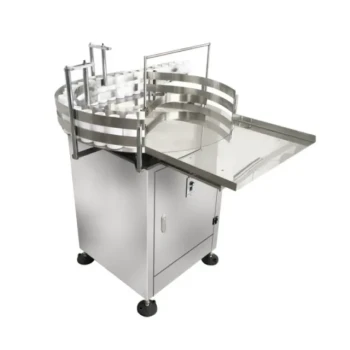
- Automated Rotary Bottle Unscrambler for Honey Production Line
People Also Ask
- How are nuc boxes used in queen rearing? The Essential Tool for Reliable Queen Mating
- What is the primary advantage of mini mating nucs? Maximize Queen Production with Minimal Bee Resources
- Why are empty nuc boxes or spare hives used for Small Hive Beetle inspections? Improve Your Pest Detection Accuracy
- What are the common sizes and material types of nuc boxes? Choose the Best Housing for Your Colonies
- How should a beekeeper relocate a new colony in a nuc box? Master the 5-5 Rule for Success