Commercial apiary managers should combine physical exclusion, in-hive trapping, and disciplined inspection routines to control Small Hive Beetles (SHB). Install entrance reducers to limit adult beetle access, position specialized traps at the top and bottom of hive boxes, and use hive tools to remove beetles found on frame top-bars and inner covers. This layered hardware strategy works best when supported by clean equipment, strong colonies, dry comb storage, and rapid removal of heavily infested materials.
The most reliable SHB program is not a single product: it is a repeatable system that intercepts adult beetles, removes hiding places, and prevents surviving larvae from contaminating comb and stored honey.
Build a Layered SHB Control System
Restrict adult beetle entry
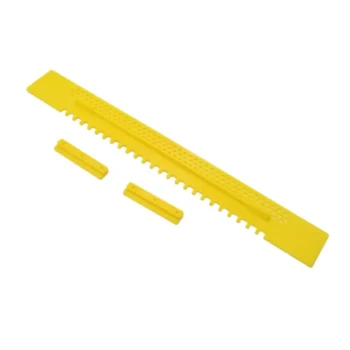
Entrance reducers physically narrow the hive entrance, making it more difficult for adult beetles to enter while helping the colony defend the opening.
Managers should select reducers that fit the hive body securely and maintain adequate bee traffic and ventilation. The restriction should not create congestion or interfere with normal colony movement.
Trap beetles inside the hive
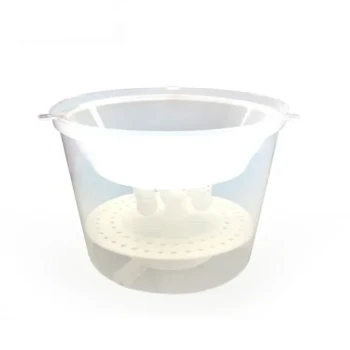
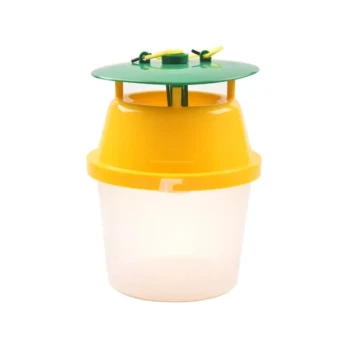
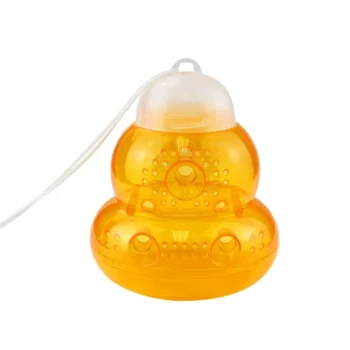
Specialized beetle traps can be installed at strategic points within the hive, including near the bottom board, between frames, or at the top of the box assembly.
These traps exploit the beetle’s preference for narrow, shaded crevices where honeybees have limited access. Depending on the design, traps may capture beetles mechanically or drown them in an approved oil-based medium.
Remove visible beetles mechanically
During inspections, use a standard hive tool to remove adult beetles from frame top-bars, inner covers, box corners, and other crevices.
This simple step reduces the number of adults available to reproduce and complements traps that may not capture every beetle.
Use Inspection Hardware as an Early-Warning System
Perform a rapid beetle check
Small Hive Beetles are photophobic and often move away from sunlight. One practical inspection method is to remove the hive lid, place it upside down, and position the brood box directly above it.
As beetles leave the shaded brood box, they may gather beneath the lid, making the infestation easier to detect. Managers can also inspect comb surfaces and frame edges under direct light.
Inspect the locations beetles favor
Pay particular attention to frame top-bars, inner covers, bottom boards, box joints, and damaged comb.
A rising number of adult beetles, slime accumulation, fermented honey odor, or larval tunneling indicates that the response should be accelerated rather than deferred until the next routine inspection.
Standardize inspection records
Commercial operators should record trap condition, beetle counts or severity, damaged frames, colony strength, and corrective actions for each hive or yard.
Consistent records help managers identify high-pressure yards, determine where additional traps are required, and coordinate replenishment across multiple locations.
Select and Position Traps for Operational Efficiency
Match trap placement to hive layout
Bottom traps intercept beetles moving through the lower hive area, while top-mounted or frame-level traps target beetles seeking shaded spaces above the brood nest.
Entrance tunnel traps and frame-hung harborage devices can also be useful when their design allows placement without extensive hive disassembly.
Use bee-safe trap configurations
Traps must prevent honeybees from contacting oils, bait, or other active materials. Any product containing a chemical substance should be used only according to its label, local regulations, and applicable honey-production requirements.
For operations pursuing natural or organic-market claims, verify that the trap materials and consumables are approved for the relevant certification standard.
Plan quantities around pest pressure
Warm southern regions and other areas with elevated beetle pressure may require more traps per hive, more frequent servicing, or both.
Distributors and apiary purchasing teams should therefore stock complete trap systems, replacement inserts, approved filling materials, entrance reducers, and compatible hive tools rather than treating the trap as a one-time purchase.
Support Traps with Apiary Hygiene
Keep hive hardware clean
Clean bottom boards, remove debris, and eliminate unused spaces where beetles can hide.
Hive-cleaning tools and routine sanitation reduce shelter and attractants, while clean equipment management limits the chance of transferring beetles between colonies or yards.
Manage damaged comb quickly
SHB larvae tunnel through comb and can cause honey fermentation, slime accumulation, and brood or food-store destruction.
Lightly affected frames may be cleaned thoroughly after removing beetle eggs, larvae, and contaminated material, then returned to a strong colony for repair. Heavily damaged comb should be discarded rather than reintroduced.
Protect stored comb and extracted honey
Honey supers should be extracted promptly and stored in a low-humidity environment. Commercial storage and extraction facilities can use dehumidification and cold storage to reduce the conditions that support egg hatching and larval development.
Environmental controls are especially important because in-hive traps cannot protect empty drawn comb once it has been removed from the colony.
Reduce the Conditions That Favor SHB
Maintain strong colonies
A strong, well-managed colony can patrol comb and restrict beetle movement more effectively than a weak colony.
Managers should avoid leaving colonies with excess unused space or poorly protected comb, since unmanaged areas create additional hiding places for adult beetles.
Improve yard conditions
Direct sunlight can make hive interiors and surrounding areas less favorable to beetles. Clean, well-maintained hive stands and bottom boards also reduce debris and shelter around the colony.
Where permitted and appropriate, managers may use additional ground-management measures around the apiary, but soil treatments must comply with local regulations and product labels.
Keep equipment and yards separated when needed
Infested frames, supers, and hive components should be isolated from clean inventory until they have been inspected and treated appropriately.
This separation is particularly important for commercial operations moving equipment between yards, extracting facilities, and storage locations.
Understanding the Trade-offs
Traps require servicing
Oil-filled or reusable traps must be checked, cleaned, refilled, and redeployed. Disposable trap cloths reduce cleaning labor but add recurring material and waste costs.
A product that is inexpensive per unit may be less economical if it requires frequent hive opening or has poor durability in commercial conditions.
More hardware is not always better
Overloading a hive with traps can complicate inspections, obstruct bee movement, or increase labor without improving control.
Use enough strategically placed devices to match colony size, hive configuration, and local pest pressure, then adjust quantities based on inspection records.
Physical control does not replace colony management
Traps remove adult beetles but do not correct weak colonies, neglected comb, dirty equipment, or infested storage areas.
The most common management mistake is treating an acute infestation with hardware while leaving the underlying sanitation and storage problems unchanged.
Chemical compatibility must be verified
Mineral oil, vegetable oil, vinegar-based bait, diatomaceous earth, and other materials may be used only when compatible with the specific trap design and applicable production standards.
Never place an unapproved substance where bees or honey can contact it, and do not assume that a product marketed as “natural” is automatically compliant with certification or food-safety requirements.
Making the Right Choice for Your Goal
A commercial SHB program should be designed around both biological control and dependable supply execution.
- If your primary focus is rapid infestation reduction: Combine entrance reducers, top- and bottom-positioned traps, and hive-tool removal during frequent inspections.
- If your primary focus is minimizing chemical exposure: Prioritize mechanical traps, approved non-synthetic consumables, clean equipment, and strong-colony management.
- If your primary focus is reducing labor across multiple yards: Standardize trap types and inspection procedures, use easily serviced hardware, and maintain ready stock of replacement parts and consumables.
- If your primary focus is protecting honey quality: Remove heavily damaged comb promptly, extract supers quickly, and use low-humidity or cold storage for unoccupied drawn comb.
- If your primary focus is reliable procurement: Work with a supplier that can provide entrance reducers, reusable and disposable traps, hive tools, cleaning equipment, and fast replenishment through one coordinated order channel.
A disciplined combination of the right hive hardware, consistent inspections, and efficient equipment management turns SHB control from a reactive emergency into a scalable commercial process.
Summary Table:
| Strategy | Key Hardware | Best Practice |
|---|---|---|
| Restrict entry | Entrance reducers | Fit securely, balance bee traffic |
| In-hive trapping | Top/bottom traps | Place at shaded crevices |
| Mechanical removal | Hive tool | Check top-bars and inner covers |
| Early detection | Lid inversion | Monitor for beetles |
| Hygiene | Cleaners, dehumidifiers | Remove debris, store comb dry |
| Maintenance | Replacement inserts | Stock and service regularly |
Ready to implement a robust SHB control system? HONESTBEE offers a comprehensive range of hive hardware, traps, and accessories tailored for commercial apiaries and distributors. Our one-stop sourcing, rapid response, and dedicated support ensure you get quality products that enhance efficiency and profitability. Contact us today to discuss your needs and OEM/ODM opportunities – we're here to help you succeed. Get in touch.
Related Products
- Reusable Aluminium Beetle Trap for Small Hive Beetles Silver Bullet
- Reusable Clear Small Hive Beetle Traps for Beehives Beetle Trapping Tools
- Removable Washable Hive Beetle Trap Attractants for Small Hive Beetles
- Black Plastic Beetle Barn Hive Beetle Trap for Beehives
- Plastic Beetle Blaster Trap Beekeeping Tools and Supplies
People Also Ask
- How should powdered substances be used in beetle traps for hive beetle control? Expert Guide for Maximum Colony Protection
- Why are beetle traps less effective during winter? Seasonal Shifts in Pest Control Explained
- When is the best time to use small hive beetle traps in cold climates? Protect Your Honeybee Winter Stores Now
- When and how should disposable traps for small hive beetles be removed? Master Hive Hygiene and Efficiency
- How do small hive beetle traps contribute to colony management? Enhance Diagnostic Accuracy and Protect Hive Health