Commercial beekeepers can manage Tropilaelaps mercedesae most safely by combining a broodless interval with tightly controlled sulfur application. Because these mites depend primarily on capped brood and survive only about 2–3 days without brood cells, removing their reproductive habitat is the foundation of control. Sulfur can then be used as a supplementary treatment, but strict per-comb and colony-level limits are essential to reduce harm to bees and brood.
Core takeaway: Create a genuine broodless period—typically by caging the queen for 21 days or removing heavily infested brood comb—then use sulfur only at controlled doses. For a standard 10-frame colony, do not exceed 0.6 g per comb or 3.0 g total, and always follow the approved product label and local regulations.
Why Comb Management Comes First
Tropilaelaps depends on capped brood
Tropilaelaps mercedesae feeds and reproduces primarily within capped brood cells. Without access to brood cells, the mites generally cannot survive for more than 2–3 days.
This makes brood interruption particularly valuable for commercial operations because it targets the mite’s biology rather than relying exclusively on chemical exposure.
Create a 21-day broodless period
One established approach is to cage the queen for 21 days. During this period, existing brood emerges while new eggs are not laid, progressively removing the mites’ reproductive environment.
The queen must be released and monitored carefully afterward. Queen caging also temporarily reduces brood production, so timing should account for colony strength, season, weather, and planned honey production.
Remove heavily infested brood comb
An alternative is to remove brood combs showing severe infestation, bald brood, or other signs of abnormal development. This can rapidly reduce the number of mites inside the colony, but it also removes valuable bees and brood.
Use this method selectively rather than stripping a productive colony indiscriminately. Clearly label, isolate, and manage removed comb according to local biosecurity requirements so that mites are not transferred to other colonies.
How to Use Sulfur More Safely
Treat sulfur as a measured acaricide
Sulfur dusting is reported as a popular option for Tropilaelaps control. Proposed application locations include between frames, directly on bees, or across capped-brood cappings.
However, “popular” does not mean risk-free. Sulfur can damage colony health when overapplied, so commercial operators should use a calibrated scale rather than estimating by volume or visual coverage.
Respect the per-comb limit
The primary dosing limit is:
- Maximum: 0.6 g of sulfur per comb
- Maximum: 3.0 g total for a standard 10-frame colony
The colony-wide limit matters even when only some combs are treated. Do not apply the per-comb maximum across ten combs, because that would exceed the stated 3.0 g colony cap.
Select the application point deliberately
Application between frames may help distribute the material within the brood area. Applying directly to bees or across capped cappings should be considered only where the product label and local authority permit it.
Avoid treating honey intended for human consumption unless the product is specifically authorized for that use and the label provides the required restrictions. Never improvise application rates, mixing procedures, or exposure times.
Protect workers and the colony
Sulfur is a dust, so operators should use appropriate respiratory and skin protection and prevent unnecessary exposure during weighing and application. Keep treatment records showing the product, batch, dose, hive identification, date, and operator.
Do not assume that a treatment is safe simply because it is described as low-cost or organic. Colony condition, temperature, brood stage, ventilation, and product formulation can affect risk.
Build a Commercial Monitoring Process
Confirm the infestation before treating
Tropilaelaps mites are fast-running, red-brown, and elongated, and they differ in appearance from Varroa destructor. Inspect brood for exposed pupae, bald brood, abnormal emergence, and other signs consistent with parasitism or associated viral disease.
A sticky board placed beneath a raised mesh or screen can capture fallen mites while preventing worker bees from removing the debris. This provides a practical way to compare mite fall before and after an intervention.
Use standardized inspection methods
If smoke is used as part of a diagnostic procedure, follow a consistent apiary protocol and avoid creating excessive colony stress. The supplementary reference describes tobacco smoke and a short sealed period as one diagnostic approach, but operators should use only methods permitted by local regulations and their own apiary health program.
Sticky-board counts alone should not replace brood inspection. They are most useful when combined with visual examination and repeat monitoring.
Recheck after treatment
A single application or brood interruption does not prove eradication. Reinspect brood and monitor mite fall after the treatment window to determine whether the infestation is declining.
Record results by hive and apiary yard. Commercial data makes it easier to identify reinfestation, treatment failure, or colonies that require isolation and additional veterinary guidance.
Integrate Sulfur Into IPM
Combine chemical and non-chemical controls
The strongest program combines:
- Brood interruption through queen caging or selective brood-comb removal
- Controlled sulfur treatment where legally authorized
- Routine monitoring using brood inspection and sticky boards
- Apiary-level biosecurity to limit movement between colonies
- Replacement or isolation decisions for severely affected colonies
This approach reduces dependence on any single intervention and makes treatment decisions more evidence-based.
Rotate approved treatment classes
The supplementary reference lists synthetic acaricides, organic treatments, and other chemical options used in some commercial programs. Rotation may help reduce resistance pressure, but products must be rotated according to their labels, approved uses, and veterinary or regulatory guidance.
Do not combine products unless the label or a qualified authority specifically permits the combination. A broader product portfolio is useful only when each product has a clearly defined role, approved use, and documented handling procedure.
Protect the honey supply
Treatment timing must be separated from honey harvest according to the product label and applicable food-safety rules. The frequently cited eight-week withdrawal period should not be treated as a universal rule; withdrawal requirements vary by product, formulation, jurisdiction, and use.
For commercial supply chains, confirm compliance before purchasing or distributing treatment materials. A distributor or beekeeper should be able to provide product identity, instructions, traceability, and delivery documentation.
Understanding the Trade-offs
Brood interruption reduces production temporarily
Caging the queen for 21 days can suppress new brood production during a commercially important period. The benefit is a reduction in the mites’ essential habitat, but the timing must be managed so the colony can recover.
Use brood interruption when the expected mite-control benefit outweighs the temporary loss of brood expansion.
Removing brood sacrifices colony resources
Removing infested comb can produce a rapid reduction in mites, but it also removes developing workers and stored resources. Overuse can weaken colonies and increase labor and replacement-comb costs.
Reserve comb removal for clearly affected combs or situations where the infestation threatens colony survival.
Sulfur has a narrow safety margin
The stated limits—0.6 g per comb and 3.0 g per standard 10-frame colony—should be treated as hard ceilings, not routine targets to exceed. More sulfur is not a reliable substitute for diagnosis, brood interruption, or follow-up monitoring.
Direct application to bees or brood also increases the importance of label compliance and careful weighing. When the approved product label differs from general guidance, the label and local authority take precedence.
Resistant or persistent infestations need escalation
Tropilaelaps can reproduce efficiently and may contribute to shortened bee lifespan, poor emergence, abnormal brood, and viral transmission. If mite levels remain high after brood interruption and properly applied treatment, seek assistance from an apiary veterinarian, extension specialist, or competent bee-health authority.
Do not repeatedly increase the sulfur dose in an attempt to force control.
How to Apply This to Your Apiary
Use a written protocol that connects diagnosis, brood management, dosing, monitoring, and harvest controls.
- If your primary focus is rapid mite reduction: Remove severely infested brood comb where justified, then establish a broodless period and monitor mite fall before and after intervention.
- If your primary focus is minimizing chemical exposure: Make brood interruption the core measure and use sulfur only when necessary, within the 0.6 g-per-comb and 3.0 g-per-colony limits.
- If your primary focus is commercial honey production: Schedule treatment outside the harvest window and verify product-specific withdrawal and residue requirements before placing supers or selling honey.
- If your primary focus is multi-yard consistency: Standardize scales, treatment records, sticky-board checks, and follow-up inspections across every yard.
- If your primary focus is sourcing and fulfillment: Procure only clearly labeled, legally approved products with reliable documentation, technical support, and traceable delivery.
A disciplined brood-management program, precise sulfur dosing, and documented monitoring provide the safest practical framework for managing Tropilaelaps mercedesae in commercial colonies.
Summary Table:
| Key Strategy | Action | Limitation/Consideration |
|---|---|---|
| Brood interruption | Cage queen for 21 days | Temporary loss of brood production |
| Comb removal | Remove heavily infested combs | May weaken colony; labor-intensive |
| Sulfur application | Use up to 0.6 g per comb; 3 g per 10-frame colony | Not a substitute for diagnosis; label compliance required |
| Monitoring | Use sticky boards and brood inspection | Should be regular; data aids decision-making |
| IPM integration | Combine methods | Rotate approved products to prevent resistance |
Ensure your commercial apiary stays productive and healthy with the right supplies from HONESTBEE. Our comprehensive range of beekeeping tools, machinery, and equipment supports effective mite management and efficient operations. For distributors and beekeepers, we offer OEM/ODM support, competitive margins, and fast fulfillment. Contact us today to discuss your needs and get expert guidance.
Related Products
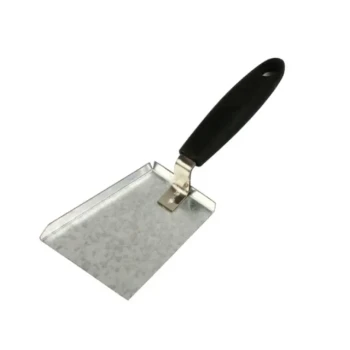
- Heavy-Duty Ergonomic Grip Galvanized Pollen Shovel
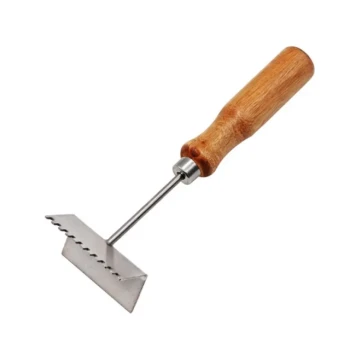
- Professional Dual Action Queen Excluder Scraper for Beekeeping
- Solar Beeswax Melter Easy Solar Wax Melter for Beeswax
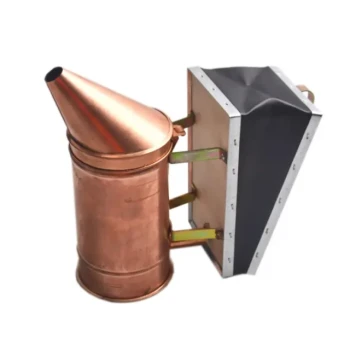
- Premium Traditional Copper Bee Smoker with Bellows
- HONESTBEE AC Powered Wire Embedder with Alligator Clips
People Also Ask
- For what reasons do beekeepers collect bee pollen? Boost Hive Health and Unlock New Revenue Streams
- Why should commercial apiaries focus on the collection of diversified bee products? Maximize Your Hive’s Profit Potential
- How do bee pollen collection tools affect the quality of bee pollen used in functional dairy ice cream production?
- How does a specialized pollen collector facilitate the harvesting of diverse bee products? Automate High-Value Yields
- What is the impact of pollen collectors and associated equipment on the cost structure of pollen production? Maximize ROI