Commercial beekeepers can accelerate early-spring colony recovery by combining controlled supplemental feeding with protection from cold, wind, and moisture. Internal or top-frame feeders can deliver a 1:1 sugar syrup directly near the brood area, while pollen-based protein supplements support brood rearing when natural forage is unavailable. In regions with strong spring winds, greenhouse-style hive structures can reduce thermal stress and help colonies build strength until temperatures exceed approximately 10 °C and regular flight becomes practical.
The most effective recovery program combines the right feed, the right delivery equipment, and the right environmental protection. Feeding stimulates colony development, while protective structures preserve the energy bees would otherwise spend maintaining cluster temperature.
Why Early-Spring Recovery Requires Active Management
Natural forage may not match colony development
Climate variability and extreme weather can create a gap between the colony’s need for nectar and pollen and the timing of local flowering. Colonies may begin expanding brood before sufficient natural forage is available.
Supplemental feed bridges this temporary shortage so colonies can reach the population strength required for pollination services or the main nectar flow.
Food stores determine when to intervene
Beekeepers should assess honey and pollen stores before feeding. Supplemental nutrition is most appropriate when existing reserves are insufficient to sustain the colony until natural forage becomes abundant.
Feed should support the colony without replacing routine inspections, disease monitoring, or evaluation of queen performance.
How to Use Supplemental Feeding Tools
Deliver 1:1 syrup near the brood sphere
A dilute mixture of one part sugar to one part water by volume is commonly used to stimulate early-season activity and encourage queen egg-laying. The feeder should be positioned directly above or adjacent to the brood area so workers can access the feed without unnecessarily disturbing the cluster.
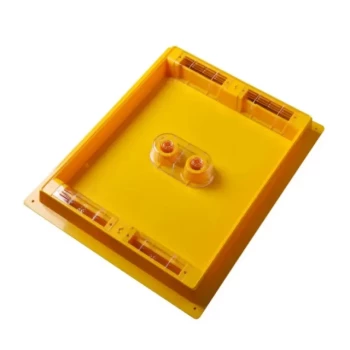
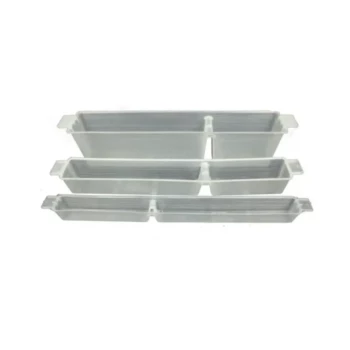
Internal feeders that replace a frame at the edge of the brood box and top-frame feeders are practical options for commercial operations.
Select the feeder according to colony condition
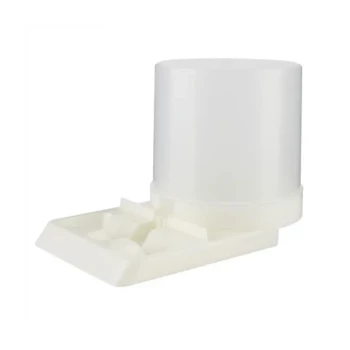
In-hive feeders keep the feed close to the bees and can limit exposure to cold air during inspections. Top feeders provide convenient replenishment, particularly when large numbers of colonies must be serviced efficiently.
Every feeder should remain level to reduce spillage. Leaking syrup can chill the colony, attract pests, and increase robbing pressure.
Add protein and micronutrient support where needed
Sugar syrup supplies energy, but it does not replicate the full nutritional profile of pollen. Protein patties, cakes, powders, or liquid supplements can support nurse-bee development and brood rearing when natural pollen is scarce.
The primary reference also identifies natural honey, pollen, Vitamin B12, and magnesium as potential feed fortifications intended to support queen laying and nurse-bee development. These additions should be selected according to product specifications and local veterinary or beekeeping guidance rather than treated as universal requirements.
Improve protein-feed acceptance
Disease-free natural pollen can improve the palatability of protein formulations. Commercial operators should use verified, uncontaminated pollen sources and deliver protein supplements through equipment that keeps the material clean and accessible.
Because protein feeding can increase brood production quickly, stronger colonies may require earlier swarm-control planning.
How Protective Structures Reduce Spring Stress
Use greenhouse structures in exposed apiaries
In areas affected by strong spring drafts, placing hives inside a protective greenhouse or comparable wind-sheltered structure can reduce direct wind exposure. This helps colonies conserve heat and develop safely while outside conditions remain unsuitable for sustained foraging.
The structure should provide protection without restricting ventilation, access to the hive entrance, or the beekeeper’s ability to inspect and service colonies.
Reduce the energy cost of temperature control
Cold wind increases the colony’s thermal burden. By reducing wind exposure, protective structures can help preserve energy for brood care, feeding, and population growth.
This approach is particularly useful for weaker colonies that have less workforce available to maintain stable brood-rearing conditions.
Match protection to flight conditions
Protective housing is a temporary management aid, not a substitute for suitable outdoor conditions. Colonies can generally resume more active flight as ambient temperatures rise above approximately 10 °C, although actual activity also depends on wind, sunlight, precipitation, and local bee behavior.
Operators should avoid creating excessive heat or humidity inside the structure. Ventilation and temperature monitoring are important parts of the setup.
Managing Feeders Across a Commercial Operation
Standardize feed specifications
A consistent syrup ratio simplifies purchasing, preparation, inventory control, and field instructions. Distributors and wholesalers can support this process by offering compatible feeder formats alongside syrup ingredients, protein supplements, and protective hive equipment.
Standardization also makes colony responses easier to compare across apiaries.
Protect weaker colonies from robbing
Entrance reduction is recommended for weaker colonies receiving supplemental feed. Smaller entrances are easier for a reduced workforce to defend and can help limit robbing behavior.
Spilled syrup, exposed feed, and poorly sealed equipment should be addressed immediately.
Plan replenishment around service routes
Commercial feeding programs depend on reliable product availability and efficient servicing. Feeder capacity, refill frequency, transport requirements, and weather exposure should all be considered when selecting equipment for large apiaries.
A one-stop supplier can reduce operational delays by coordinating feeders, nutritional consumables, protective structures, and replacement parts through a single purchasing channel.
Monitor the colony response
Feeding should be linked to measurable observations, including food stores, brood area, adult population, feed consumption, and signs of disease or pest pressure. This allows the beekeeper to adjust feeding intensity rather than applying the same program to every colony.
Rapid population growth should trigger timely swarm-management decisions and reassessment of available space.
Understanding the Trade-offs
Liquid feed can increase moisture stress
Liquid syrup is useful for stimulating activity, but it can add humidity inside the hive during cold weather. When temperatures are low and flight conditions have not stabilized, dry sugar or sugar-candy feeders may be more appropriate.
The choice should reflect the colony’s condition, hive ventilation, and local weather rather than relying on a fixed calendar date.
Supplements do not replace natural forage
Artificial feed can provide energy and selected nutrients, but it does not perfectly reproduce the complete variation of natural nectar and pollen. Supplemental feeding should therefore be treated as a bridge until reliable forage becomes available.
Poorly selected or contaminated protein products may create health risks, making supplier quality and product traceability important commercial considerations.
Protective structures require management
Greenhouses and wind shelters can reduce thermal stress, but poorly ventilated structures may trap excessive heat or moisture. They also add setup, maintenance, and transport requirements for migratory or widely distributed operations.
Their value is highest where wind exposure is a recurring constraint and the structures can be managed consistently.
Feeding can accelerate swarm pressure
Improved nutrition and successful brood rearing can rapidly increase colony strength. Without enough space or timely swarm control, the same intervention intended to prepare colonies for pollination or honey production can contribute to premature swarming.
Feeding decisions should therefore be integrated with queen assessment, brood-space management, and apiary scheduling.
Making the Right Choice for Your Goal
Select equipment and consumables as one coordinated system, with product reliability and delivery speed aligned to the beekeeper’s service schedule.
- If your primary focus is rapid colony recovery: Use level internal or top-frame feeders with 1:1 syrup near the brood sphere, adding appropriate protein support when natural pollen is limited.
- If your primary focus is weak-colony protection: Reduce entrances, prevent feed spills, and use wind-sheltering structures with adequate ventilation and inspection access.
- If your primary focus is pollination readiness: Combine standardized nutrition with brood and population monitoring so colonies reach target strength before the peak service period.
- If your primary focus is supply reliability: Source feeders, syrup inputs, protein supplements, and protective equipment through suppliers that provide broad product coverage, rapid response, technical expertise, and efficient fulfillment.
- If your primary focus is cold-weather risk control: Favor dry sugar or sugar-candy feeding during cold, humid periods and transition to liquid syrup as flight conditions stabilize.
A disciplined combination of nutrition, feeder design, weather protection, and timely monitoring gives commercial beekeepers the best control over early-spring colony recovery.
Summary Table:
| Tool/Structure | Purpose | Key Considerations |
|---|---|---|
| Internal or top-frame feeders | Deliver 1:1 sugar syrup near brood area | Keep level to avoid spills; choose based on colony strength |
| Protein supplements (patties, cakes, powders) | Support brood rearing when pollen scarce | Use disease-free pollen; monitor consumption |
| Greenhouse or wind-sheltered structures | Reduce wind exposure and conserve heat | Ensure ventilation and access for inspections |
| Entrance reducers | Protect weaker colonies from robbing | Use for small or weak colonies |
Ready to optimize your early-spring recovery program? HONESTBEE offers a full range of feeding tools, nutritional supplements, and protective structures designed for commercial beekeepers. Our dedicated team provides rapid response, deep expertise, and ultra-fast delivery to keep your colonies thriving. Contact us today to discuss your needs and get a tailored solution.
Related Products
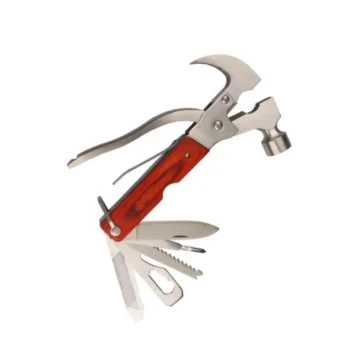
- HONESTBEE 15-in-1 Beekeeper Multi-Tool with Hammer and Pliers for Beekeeping
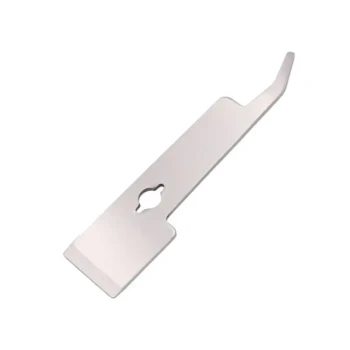
- HONESTBEE Professional Mini J-Hook Hive Tool for Beekeeping
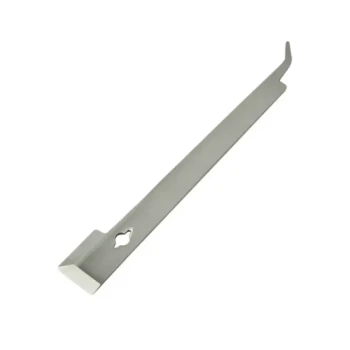
- Stainless Steel J Hook Hive Tool for Beekeeping
- Stainless Steel Queen Grafting Tool for Beekeeping and Bee Queen Grafting
- HONESTBEE Entrance Bee Feeder Efficient Hive Front Liquid Feeding Solution for Beekeeping
People Also Ask
- What is the recommended method for storing beekeeping tools? Expert Vertical Storage Solutions for Your Apiary
- Why is the treatment of beekeeping tools with high-concentration chemical disinfectants necessary for preventing AFB?
- How does a favorable microclimate interact with beekeeping tools? Boost Overwintering Success and Equipment Longevity
- Why are specialized beekeeping tools and consumables essential? Enhance Colony Management and Honey Yield Today
- Why design beekeeping tools with ergonomics in mind? Empowering All Beekeepers with Inclusive Equipment