The most effective modification is to make smooth hive interiors behave more like natural tree cavities. Use unfinished or roughened interior wood, cut approximately 3 mm grooves into the box walls, or install propolis-trap material with its rough surface facing the colony. These features give resin-foraging bees gaps and textures to fill, encouraging a continuous propolis envelope around the nest.
A rough, gap-rich interior encourages bees to apply more propolis, creating a natural antimicrobial barrier around the colony. For commercial equipment, propolis traps offer the most standardized approach, while rough lumber and grooved walls provide simple built-in alternatives.
Why Hive Interiors Need Modification
Smooth walls provide too few propolis targets
Commercial hive boxes are commonly planed smooth. Unlike a rough tree cavity, they offer limited cracks, grooves, and irregular surfaces for bees to seal with plant resin.
Bees naturally use propolis to close gaps, reinforce the nest structure, and create a chemically active barrier around the colony. Interior modifications reproduce some of those conditions without changing the hive’s external format.
A propolis envelope supports social immunity
The resulting propolis layer acts as an external antimicrobial shield within the nest cavity. It can help limit the growth and impact of bacterial and fungal pathogens, including organisms associated with American foulbrood and chalkbrood.
The envelope complements the bees’ immune defenses rather than replacing them. Its value is greatest when it is treated as part of an integrated colony-health program.
Practical Ways to Modify Hive Equipment
Use unfinished or rough-sawn interior wood
Manufacturers can leave the inside faces of hive bodies unfinished or use rough-sawn lumber rather than planing them smooth. The irregular grain provides natural surfaces where bees can deposit resin.
This is the simplest modification for new hive production because it can be incorporated into the material and machining specification before assembly.
Roughen existing wooden walls
For existing boxes, briskly scrape the interior wooden walls with a wire brush. The objective is to create a visibly roughened surface without removing excessive material or weakening the box.
Work consistently across the interior walls, particularly around the nest area. Avoid leaving splinters, sharp projections, or loose fragments that could interfere with frames or injure bees.
Cut grooves into the interior walls
Cut grooves approximately 3 mm wide or deep, as specified by the equipment design, into the inner walls of the hive box. These grooves act as deliberate resin-collection channels.
Groove patterns should be consistent across production units so that boxes remain interchangeable. They should also preserve frame clearance and avoid creating locations where frames can catch during inspection.
Install propolis-trap mats or sheets
Propolis traps provide a more controlled and repeatable solution for standard hive equipment. Cut the material to fit the four interior walls and staple it securely in place.
Install the trap with the smooth side against the wood and the rough side facing the colony. The rough surface and narrow openings encourage workers to fill the structure with collected plant resin.
Adjust frame spacing when necessary
When a trap is installed around the internal perimeter, the available space may be reduced. A common configuration is to reduce a ten-frame arrangement to nine frames, creating adequate clearance between the frame set and the wall-mounted trap.
The exact arrangement should be confirmed against the box dimensions, frame type, and trap thickness. Frames must remain correctly spaced and removable with a hive tool.
How the Modification Encourages Propolis Deposition
Resin foragers respond to gaps and rough surfaces
Worker bees collect plant resins and apply them wherever the colony’s structure presents openings or rough areas to seal. Grooves and trap grids convert otherwise smooth walls into attractive deposition sites.
A continuous set of targets around the four walls is more likely to produce an envelope than a single isolated rough patch.
The trap acts as a physical carrier
A propolis trap does not create an artificial antimicrobial coating. It provides a structure that stimulates bees to deposit their own plant resins.
This distinction matters for equipment suppliers: the product should be positioned as a propolis-induction component, not as a pre-treated antimicrobial substitute for natural propolis.
The envelope changes the nest environment
A propolis film can inhibit the growth of bacteria and fungi and reduce the colony’s need to rely solely on constant physiological immune activation. Research summarized in the references associates this lower baseline burden with better resource allocation for brood production and colony maintenance.
Reported benefits include stronger brood-rearing capacity, improved spring worker-brood populations, and fewer clinical signs of some brood diseases. Results will vary with resin availability, colony genetics, season, pathogen pressure, and management quality.
Designing Equipment for Commercial Supply
Standardize dimensions and orientation
For wholesalers and B2B resellers, the most important product requirements are repeatable dimensions, correct surface orientation, secure attachment, and compatibility with standard hive bodies.
Packaging should clearly identify:
- Which side faces the colony.
- Whether the product is intended for four-wall installation.
- Compatible hive-body and frame dimensions.
- Whether frame count or spacing must be adjusted.
- Recommended attachment points and inspection procedures.
Offer several retrofit levels
A full-spectrum product portfolio can serve different customer needs:
- Hive bodies with unfinished or rough-sawn interiors.
- Hive bodies with factory-cut internal grooves.
- Retrofit propolis-trap mats or sheets.
- Propolis collection boards and related internal structures.
- Compatible frames, hive tools, staples, and replacement components.
This allows distributors to serve both commercial operations purchasing complete equipment and beekeepers upgrading existing boxes.
Protect usability during inspections
Bees use propolis to seal hive components tightly. Any modification should preserve access for routine inspection and avoid creating protrusions that damage comb or trap frames.
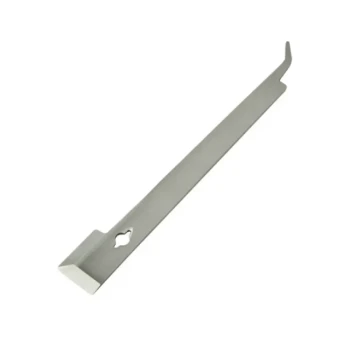
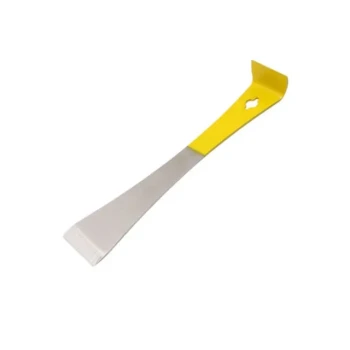
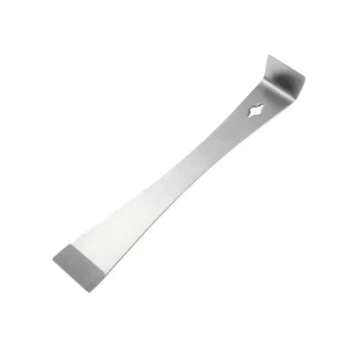
A suitable hive tool remains essential for breaking propolis seals and separating frames without excessive force. Equipment should be tested under realistic conditions before being offered as a standardized product.
Understanding the Trade-offs
Propolis can make equipment harder to open
A successful envelope means bees may apply more propolis to covers, boxes, and frames. This improves sealing but can increase the force required during inspections.
The equipment must therefore balance propolis stimulation with practical access. Frame spacing, trap thickness, and attachment method all affect serviceability.
Added materials can reduce internal clearance
Wall-mounted traps occupy space inside the hive. If clearance is not calculated correctly, frames may rub against the trap, become difficult to remove, or disturb the developing envelope.
Reducing the frame count from ten to nine may solve the clearance issue in some configurations, but it should not be assumed for every hive design.
Propolis is not a disease-treatment replacement
An antimicrobial envelope can support colony defenses, but it does not eliminate the need for responsible disease monitoring, sanitation, appropriate treatment decisions, or removal of heavily infected equipment where required.
Claims should remain proportional: the modification supports social immunity and may reduce disease expression, rather than guaranteeing disease prevention.
Results depend on colony and environment
Bees differ in propolis-collection behavior, and available plant resins vary by location and season. A rough wall or trap may therefore produce a strong envelope in one apiary and a less continuous layer in another.
Field validation should assess actual propolis deposition, frame accessibility, colony performance, and disease indicators across representative conditions.
How to Apply This to Your Project
Select the modification according to the equipment type, production scale, and customer’s need for standardization.
- If your primary focus is low-cost hive production: Use unfinished rough-sawn interior wood or factory-created grooves to build propolis-stimulating features directly into the hive body.
- If your primary focus is retrofit sales: Offer correctly sized propolis-trap mats with clear smooth-side/rough-side installation instructions.
- If your primary focus is commercial apiaries: Standardize trap dimensions, frame clearance, attachment methods, and inspection procedures across the product range.
- If your primary focus is disease-support equipment: Present the propolis envelope as a natural social-immunity aid that complements, rather than replaces, biosecurity and disease management.
- If your primary focus is distributor service: Bundle compatible hive bodies, traps, frames, hive tools, and replacement materials with rapid technical guidance and reliable order fulfillment.
With properly designed rough surfaces, grooves, or propolis traps, standard hive equipment can encourage bees to construct a natural antimicrobial envelope while remaining practical for inspection and commercial supply.
Summary Table:
| Modification | Description | Key Benefits |
|---|---|---|
| Unfinished/rough-sawn interior wood | Use rough lumber to provide natural surfaces for resin deposition. | Simple, low-cost, encourages propolis naturally. |
| Grooved interior walls | Cut ~3 mm grooves to create resin-collection channels. | Consistent, repeatable, easy to integrate. |
| Propolis-trap mats/sheets | Install with rough side facing colony to stimulate resin filling. | Controlled, standardized, retrofittable. |
| Frame spacing adjustment | Reduce frame count if traps reduce interior space. | Prevents rubbing, maintains accessibility. |
Looking to enhance colony health and productivity? HONESTBEE offers a full spectrum of beekeeping equipment, including propolis traps, rough-sawn hive bodies, and grooved wall upgrades. Our one-stop sourcing, rapid delivery, and expert support ensure you get the right products for your apiary. Whether you're a commercial beekeeper or a distributor, we help you boost yields and meet market demand. Contact us today to discuss your needs and discover how HONESTBEE can empower your business.
Related Products
- Inner Beehive Cover for Beekeeping Bee Hive Inner Cover
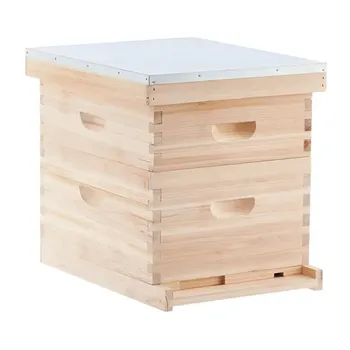
- Langstroth Honey Bee Box Hive Boxes for Different Depths
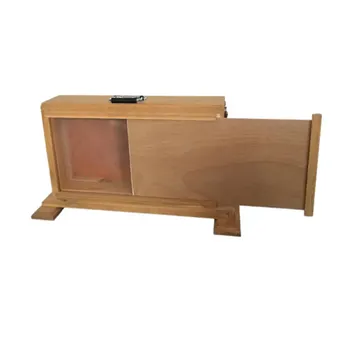
- Professional Observation Hive: The Ultimate Portable Solution for Beekeeping Education, Exhibitions, and Colony Displays
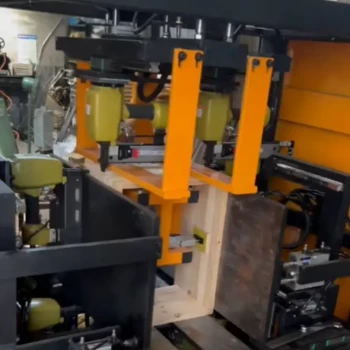
- Automatic High-Speed Bee Hive Box Stapling Machine
- Steel Round Disc Entrance Reducer for Flexzion Bee Hive Nuc Box Gate
People Also Ask
- What is the purpose of the inner cover in a beehive? A Key to Hive Health & Easy Management
- What is the function and placement of an inner cover in a beehive? Essential Hive Management Guide
- What is the purpose of the inner and outer covers in a beehive? Essential for Hive Health & Management
- What is a beehive's inner cover and how is it used? Essential Guide for Hive Insulation and Ventilation
- What are the functions of the inner and outer covers on a beehive? Essential Guide for Hive Protection and Management