Utilizing the colony's natural instincts is the most efficient method for cleaning wet frames after extraction. To achieve this, simply place the empty supers containing the wet frames back onto the hive, ideally positioning them above the inner cover to encourage the bees to move the honey rather than store it there.
The goal of this process is two-fold: it allows the colony to reclaim valuable carbohydrate resources while preparing your equipment for pest-free, mold-free storage.
The Hive-Top Cleaning Method
Strategic Placement
The most controlled way to clean frames is to return the super to the hive. Place the super containing the wet frames on top of the inner cover.
Encouraging Resource Relocation
By separating the super from the main brood nest with the inner cover, the bees perceive the honey as being "outside" their primary storage area. This encourages them to clean the cells and move the residual honey down into the main hive body for winter storage.
Duration of the Process
Leave the super on the hive for several days. Within this short window, the bees will consume or relocate the honey, leaving the frames completely dry.
Preparation for Storage
Once the bees have cleaned the frames, they are dry and ready for proper storage. Dry frames are significantly less attractive to pests like ants and wax moths and are less prone to mold growth than wet frames.
Alternative Cleaning Strategies
Cleaning Wax Cappings
You can apply a similar principle to your wax cappings after draining the honey. Place the extracted cappings in an area accessible to the bees.
Reducing Residue for Rendering
Allowing the bees to remove the bulk of the sticky honey residue simplifies the next steps. Clean wax is much easier to rinse and render into high-quality beeswax blocks for candles or cosmetics.
Open-Air Cleaning (The "Sunny Spot" Method)
After harvesting, some beekeepers place empty supers, containers, and tools in a sunny spot outdoors. Bees are attracted to the scent and will clean up the remaining honey, ensuring nothing is wasted.
Understanding the Trade-offs
Risk of Robbing Behavior
While open-air cleaning is effective, it carries risks. Working with wet frames or placing them in the open can attract bees from neighboring colonies, potentially triggering aggressive robbing behavior.
Pest Interference
Open cleaning helps remove honey, but it may also attract unwanted pests. Placing equipment in the open can draw in wasps, ants, or other insects that interfere with the workspace.
Biosecurity Concerns
When bees from multiple hives congregate to clean equipment in an open area, there is a risk of disease transmission between colonies. The hive-top method keeps the resources—and any potential pathogens—contained within a single colony.
Making the Right Choice for Your Goal
- If your primary focus is Equipment Safety: Use the hive-top method (above the inner cover) to minimize robbing risks and prevent disease spread.
- If your primary focus is Speed and Convenience: Use the outdoor "sunny spot" method for non-frame tools, but remain vigilant against robbing frenzies.
- If your primary focus is Wax Rendering: Allow bees to clean cappings first to significantly reduce the stickiness and labor required for processing beeswax.
Bees are the most efficient cleaners available to a beekeeper; directing their energy properly ensures your gear is preserved and their stores are maximized.
Summary Table:
| Method | Placement | Primary Benefit | Risk Level |
|---|---|---|---|
| Hive-Top Method | Above the inner cover | Resource reclamation & biosecurity | Low |
| Open-Air Cleaning | Sunny outdoor spot | High speed & convenience for tools | High (Robbing/Disease) |
| Cappings Cleaning | Accessible container | Simplifies wax rendering & processing | Medium |
| Winter Prep | Within hive body | Boosts colony winter food stores | Low |
Optimize Your Apiary Operations with HONESTBEE
At HONESTBEE, we understand that efficient post-harvest management is critical for commercial success. Whether you are managing thousands of colonies or distributing professional-grade supplies, we provide the tools you need to excel.
From industrial-scale honey-filling machines and hive-making machinery to a full spectrum of beekeeping tools and essential consumables, our wholesale solutions are designed to enhance your productivity and maximize your beeswax and honey yields.
Ready to scale your beekeeping business? Contact us today to discover how our comprehensive equipment portfolio can support your growth and deliver superior value to your customers.
Related Products
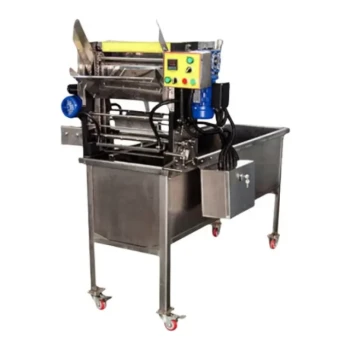
- Automatic Honey Frame Uncapper Machine for Beekeeping
- Precision Stainless Steel Frame Cleaner for Hive Grooves and Corners
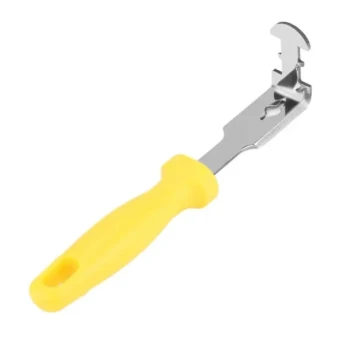
- Heavy Duty Stainless Steel Frame Cleaner with Plastic Handle
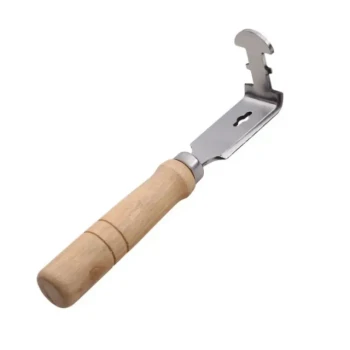
- Professional Stainless Steel Frame Cleaner with Ergonomic Wood Handle
- Professional Stainless Steel Honey Filtering Machine with Water Bath Heating for Beekeeping
People Also Ask
- What is the primary goal when choosing an uncapping method? Maximize Honey Yield & Comb Integrity
- What is the process of uncapping frames in beekeeping? Master the Best Methods for Maximum Honey Yield
- How are honey frames prepared before extraction? Master the Hive-to-Honey-House Process
- What is the process of uncapping honey frames before extraction? Expert Guide to Efficient Honey Harvesting
- What specialized tools are used to uncap honey frames prior to extraction? Top Uncapping Tools for Efficient Harvesting