Utilizing honeybees for frame cleanup is the most efficient method to dry extracted frames and reclaim resources before winter storage. The most controlled approach is to place a super containing the wet frames on top of the inner cover of a strong hive for several days to a week.
Core Takeaway Beekeepers can leverage the natural hoarding instinct of bees to clean equipment. By placing wet frames above the inner cover, you signal to the colony that the resources are "outside" the hive, prompting them to move the residual honey down into the main nest, leaving the upper combs dry and pest-resistant.
The Hive-Top Cleaning Method
Leveraging the Inner Cover
The most effective technique relies on hive geometry. Place the super filled with wet, extracted frames directly on top of the hive’s inner cover, rather than directly on the brood box.
The Mechanism of Action
The inner cover acts as a psychological barrier for the colony. Because the frames are separated from the main cluster by the cover (accessible only through the central hole), the bees generally do not view this space as part of their storage area.
Resource Reclamation
Instead of refilling these cells, the bees will typically clean out the sticky nectar or honey. They transport these resources down into the main hive body to consolidate their winter stores.
Timing and Removal
This process is usually fast. You should check the frames after several days to a week. Once dry, remove them immediately to prevent the bees from damaging the wax or depositing propolis.
The Outdoor Stacking Method
Open Air Cleanup
Alternatively, you can stack the boxes outdoors in a designated area. This allows local honeybees, along with other insects, to consume the residue freely.
Rapid Consumption
This method clears frames quickly due to the high volume of insect traffic. It is less labor-intensive than opening hives to place supers.
Understanding the Trade-offs
Risk of "Robbing" Frenzies
The outdoor stacking method causes a temporary but significant spike in insect activity. This can trigger a robbing instinct in your apiary, where bees become aggressive and may attack weaker hives to steal resources.
Disease Transmission
Open feeding via outdoor stacking allows bees from outside your apiary to interact with your equipment. This increases the risk of spreading pathogens or parasites between colonies.
Accidental Refilling
When using the hive-top method during a heavy nectar flow, there is a small risk that bees may clean the frames and immediately begin refilling them with fresh nectar. Monitoring the frames closely prevents this.
Making the Right Choice for Your Goal
- If your primary focus is Biosecurity and Control: Use the Hive-Top/Inner Cover method. It keeps resources within your specific colony and prevents the spread of disease from neighboring insects.
- If your primary focus is Minimizing Hive Disturbance: Use the Outdoor Stacking method, provided your apiary is located far from neighbors and you are willing to accept the risk of robbing behavior.
Clean, dry frames are the first line of defense against mold and pests during the off-season.
Summary Table:
| Method | Placement | Speed | Biosecurity Level | Best For |
|---|---|---|---|---|
| Hive-Top Method | Above the inner cover | 3-7 Days | High (Controlled) | Preventing disease spread & robbing |
| Outdoor Stacking | Open apiary area | 1-2 Days | Low (Open access) | Large-scale operations & speed |
| Direct Placement | Above brood box | Variable | Medium | Not recommended (Bees may refill cells) |
Maximize Your Apiary Productivity with HONESTBEE
Efficient frame maintenance is just the beginning of a successful harvest season. At HONESTBEE, we specialize in empowering commercial apiaries and distributors with the high-performance tools required to scale operations effectively. From precision hive-making machinery and automated honey-filling systems to a complete range of professional beekeeping hardware and consumables, we provide everything you need to manage your colonies and process honey with industrial efficiency.
Whether you are looking to upgrade your extraction line or stock high-quality supplies for your distribution network, our team is ready to deliver tailored wholesale solutions that drive your business forward.
Ready to optimize your honey production? Contact us today to explore our full equipment catalog!
Related Products
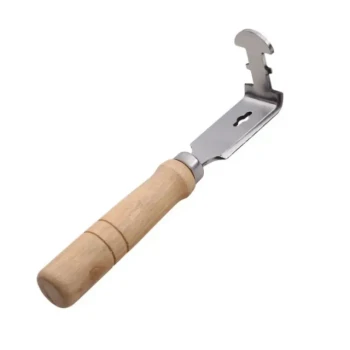
- Professional Stainless Steel Frame Cleaner with Ergonomic Wood Handle
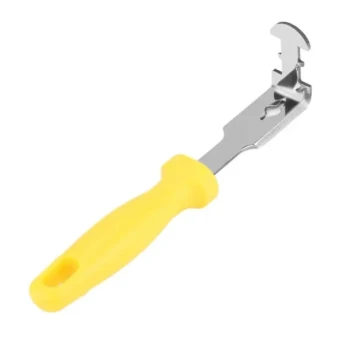
- Heavy Duty Stainless Steel Frame Cleaner with Plastic Handle
- Precision Stainless Steel Frame Cleaner for Hive Grooves and Corners
- HONESTBEE 3-Frame Manual Acrylic Honey Extractor
- Wooden Bee Hive Frames for Beekeeping and Wholesale
People Also Ask
- What are the physical characteristics of the frame cleaning tool? Durable Wood Design for Effective Hive Maintenance
- What is the purpose of the frame cleaning tool? A Precision Tool for Efficient Frame Maintenance
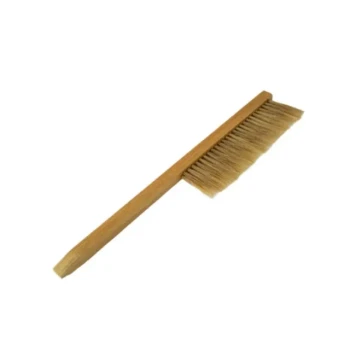
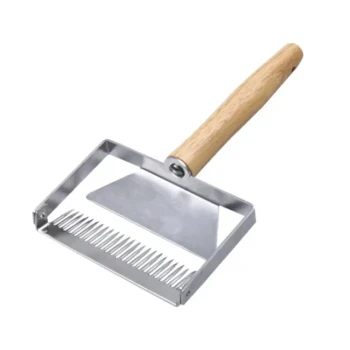
- What tools are used for cleaning frames? A Beekeeper's Simple 4-Tool Guide
- In what specific situation is the frame cleaning tool particularly useful? Master Cut Comb Maintenance
- What is the function of the frame cleaning tool in beekeeping? Streamline Your Apiary Hygiene and Maintenance