Preventing heat stress during hive relocation requires a combination of strategic timing and proper ventilation. The most effective method is to move the hive during the coolest parts of the day—specifically after sunset or early in the morning—while ensuring air circulation is maintained through the use of mesh screens rather than solid seals.
Core Takeaway Moving a beehive involves a critical balance: you must contain the bees without suffocating them. By coordinating travel with cooler ambient temperatures and replacing solid entrance blocks with breathable wire mesh, you minimize the risk of a fatal temperature spike within the colony.
Strategic Timing and Environment
Utilize Cooler Hours
Heat is the primary danger during relocation. To mitigate this, plan your move strictly for early morning or after sunset.
Avoid Peak Temperatures
Moving during the heat of the day significantly increases the internal temperature of the hive. By operating during twilight hours, you align the move with the colony’s natural tendency to cluster, reducing metabolic heat generation.
Mechanical Ventilation Techniques
The Dangers of Solid Seals
A common mistake is sealing the hive entrance completely to prevent bee escape. Sealing the entrance traps heat inside the hive, which can rapidly lead to colony collapse.
Implementing Mesh Screens
Instead of solid blocks, use mesh screens or wire covers over the entrance. This containment method effectively secures the bees inside while allowing critical airflow to pass through the hive.
Managing the Transport Environment
Vehicle Climate Control
If transporting the hive inside a vehicle, active climate control is essential. Run the air conditioning to keep the ambient temperature low, or roll down the windows to generate a cross-breeze.
Avoiding Insulation
Never cover the hives with blankets, winter wraps, or tarps during transport. While intended to secure or protect the hive, these materials act as insulation and will cause the bees to overheat.
Common Risks and Safety Protocols
Handling Agitated Colonies
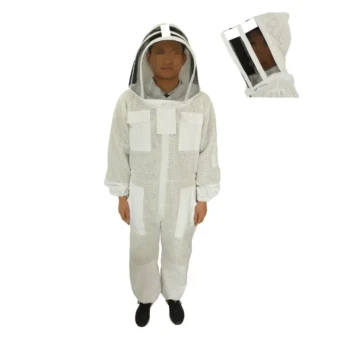
Disturbing a hive for relocation will inevitably agitate the bees. It is mandatory to wear full protective gear, including a suit, gloves, and a helmet with a veil, to prevent stinging incidents.
Physical Strain and Stability
Beehives are dense and heavy. Use specialized lifting equipment or seek assistance from a colleague to move the hive safely, ensuring it does not drop or tip, which would further stress the colony.
Securing the Load
Ensure the hive components are mechanically secured with straps before moving. This prevents the hive from shifting or breaking open during transport, which protects both the bees and the driver.
Making the Right Choice for Your Goal
To ensure the safety of your colony, apply the following guidelines based on your specific situation:
- If your primary focus is a short-distance move: Prioritize moving after sunset when all foragers have returned and temperatures have dropped naturally.
- If your primary focus is vehicle transport: Ensure you use mesh ventilation screens and maintain a cool cabin temperature using air conditioning or open windows.
Success in relocation depends on prioritizing airflow over absolute containment.
Summary Table:
| Factor | Best Practice | Why It Matters |
|---|---|---|
| Timing | Early morning or after sunset | Lower ambient temperatures reduce metabolic heat. |
| Entrance | Wire mesh/screen covers | Allows airflow while preventing bees from escaping. |
| Airflow | Vehicle A/C or cross-breeze | Dissipates heat trapped inside the transport vehicle. |
| Protection | Full beekeeping suit/gear | Agitated bees are prone to stinging during moves. |
| Security | Mechanical straps & lifting tools | Prevents hive damage and physical strain on the mover. |
Secure Your Apiary’s Success with HONESTBEE
Moving hives is a high-stakes task that requires the right equipment to ensure colony survival. At HONESTBEE, we specialize in supporting commercial apiaries and distributors with professional-grade solutions. From durable hive hardware and specialized transport tools to high-efficiency honey-filling machinery, our comprehensive wholesale portfolio is designed to enhance your operational efficiency.
Whether you are scaling your beekeeping business or stocking essential industry consumables, our experts are here to provide the specialized equipment you need to thrive.
Ready to upgrade your apiary’s performance? Contact HONESTBEE Today for Wholesale Solutions
Related Products
- Stainless Steel Round Beehive Air Vents for Ventilation
- Inner Beehive Cover for Beekeeping Bee Hive Inner Cover
- Professional Reversible Beehive Hive Entrance
- High-Definition Beekeeper Hat with Round Veil Mesh for Beekeeping
- Professional Insulated Plastic Bee Hives
People Also Ask
- How does ventilation affect colony health, and how should it be managed seasonally? A Guide to Preventing Moisture & Overheating
- Why is proper ventilation important in a beehive? Prevent Mold, Regulate Temperature, and Boost Colony Health
- How can a beekeeper provide proper ventilation for a beehive throughout the year? Seasonal Strategies for Bee Health
- How can ventilation be added to a beehive without using an inner cover? Simple, Effective Solutions for Healthy Hives
- Why is good ventilation crucial when transporting beehives? Protect Your Colony from Lethal Overheating