Strategic spatial management is the primary mechanism by which queen excluders defend against Small Hive Beetles (SHB) during the queen rearing process. Rather than acting as a physical barrier to the beetles themselves, the excluder confines the brood nest to a specific, manageable footprint, forcing the colony to concentrate its nurse bee population into a dense defense force that leaves beetles no safe quarter to reproduce.
By restricting the brood area, queen excluders eliminate the "dead zones" where Small Hive Beetles typically proliferate, ensuring that every frame of brood is aggressively patrolled by nurse bees.
The Mechanics of Density Defense
Concentrating the Defensive Force
The primary vulnerability in a hive regarding SHB is a sprawling brood nest that exceeds the colony's ability to patrol it.
If the queen is allowed to lay eggs across a wide area, the nurse bee population becomes spread thin.
Using a queen excluder limits the queen's range, ensuring the brood remains chemically and physically concentrated. This creates a high ratio of bees to brood, creating a hostile environment for pests.
Eliminating "Dead Zones"
Small Hive Beetles seek out unmanned corners or "dead zones" within the hive to lay their eggs undisturbed.
When the brood area is mechanically compressed by an excluder, these unguarded pockets are virtually eliminated.
Because the bees are forced to occupy a smaller volume relative to the brood, there are fewer unprotected areas where beetles can successfully establish larvae development.
Integrating Defense with Queen Rearing
The Dual Function of Isolation
During queen rearing, the excluder serves a simultaneous biological and defensive purpose.
Physiologically, it restricts the queen to create an illusion of queenlessness in the rearing section, stimulating workers to care for new queen cells.
Defensively, this same restriction prevents the "working" queen from expanding the nest into areas the colony cannot yet defend, maintaining a tight security perimeter around the developing larvae.
Protection of the Breeder Queen
In specific breeding scenarios, isolation grids (a form of exclusion) confine the breeder queen to a precise frame area.
This ensures that the valuable breeder queen lays eggs within a 24-hour window in a designated zone.
This containment allows for constant nest temperature maintenance and ensures the breeder queen is surrounded by a dense retinue of attendants, offering her maximum protection from SHB harassment.
Understanding the Limitations
It Is Not a Filter for Beetles
It is critical to understand that a standard queen excluder does not physically block the movement of Small Hive Beetles.
Beetles are small enough to pass through the grid spacing designed for worker bees.
The excluder functions as a behavioral modifier for the colony, not a physical blockade for the pest.
The Entrance Distinction
While queen excluders manage internal space, they should not be confused with entrance control devices.
Entrance reducers exploit the size difference between beetles and bees to block entry at the "front door."
The queen excluder's role is strictly internal: managing the distribution of the colony to ensure no internal territory is ceded to the beetles.
Optimizing Your Hive Strategy
To effectively utilize queen excluders for both rearing success and SHB defense, consider the following approach:
- If your primary focus is SHB Defense: Use the excluder to condense the colony into a smaller footprint, ensuring the population density is high enough to patrol every square inch of comb.
- If your primary focus is Queen Rearing: Leverage the excluder to confine the queen away from the grafting frame, utilizing the resulting nurse bee concentration to feed larvae and police the area against pests.
Ultimately, the queen excluder transforms the brood nest from a sprawling vulnerability into a fortified stronghold.
Summary Table:
| Defensive Aspect | Role of Queen Excluder | Strategic Benefit |
|---|---|---|
| Population Density | Constrains brood nest footprint | Forces high bee-to-brood ratio for active patrolling |
| Spatial Control | Eliminates "dead zones" | Removes unguarded corners where SHB larvae thrive |
| Queen Rearing | Isolates queen from cell bars | Concentrates nurse bees to feed cells and repel pests |
| Breeder Safety | Confines queen to specific frames | Ensures constant retinue protection from SHB harassment |
| Mechanism | Behavioral Modifier | Leverages colony behavior rather than a physical blockade |
Scale Your Apiary Defense with HONESTBEE Professional Solutions
Protecting your genetic investment requires more than just technique—it demands precision-engineered equipment. At HONESTBEE, we specialize in supporting commercial apiaries and distributors with a comprehensive wholesale portfolio designed for high-performance beekeeping.
From high-durability queen excluders to advanced hive-making and honey-filling machinery, we provide the full spectrum of tools and industry consumables your business needs to thrive. Whether you are looking to secure your queen rearing cycle or optimize large-scale honey production, our expert team is ready to supply the hardware and cultural merchandise that sets you apart.
Ready to upgrade your apiary’s efficiency and security?
Contact HONESTBEE Today for Wholesale Inquiries
References
- Marco Pietropaoli, Giovanni Formato. Biosecurity measures in European beekeeping. DOI: 10.20506/rst.39.3.3174
This article is also based on technical information from HonestBee Knowledge Base .
Related Products
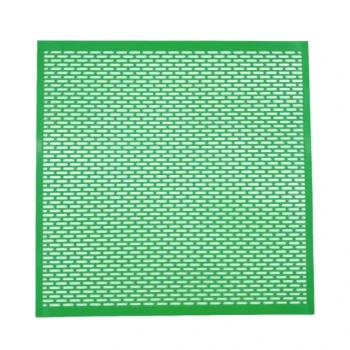
- High Performance Plastic Queen Excluder for Beekeeping and Apiary Management
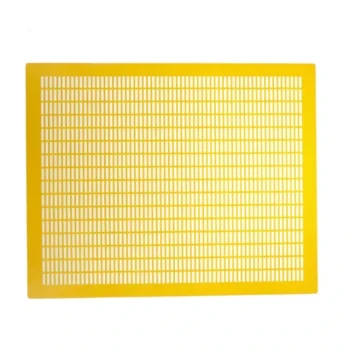
- Professional Plastic Queen Excluder for Modern Beekeeping
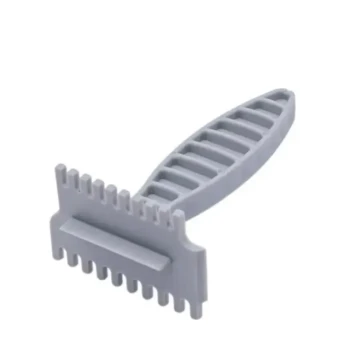
- Lightweight Durable Plastic Queen Excluder Scraper for Beekeeping
- Metal Queen Bee Excluder for Beekeeping
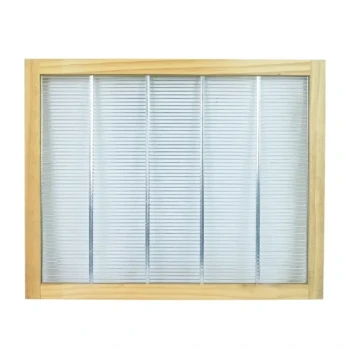
- Premium Wood Framed Metal Wire Queen Bee Excluder
People Also Ask
- What are the characteristics of a plastic queen excluder? Key Benefits for Cost-Effective Beekeeping
- What are the operational and cost advantages of using plastic queen excluders over metal or wire excluders in commercial hive management? Discover how they reduce labor, prevent wing damage, and lower total costs.
- What types of queen excluders are available for beekeepers? Choose the Right Tool for Your Hive
- Why are standardized hive frames and queen excluders essential for maintaining honey purity and quality? Scale Your Purity
- Do plastic queen excluders work? A Cost-Effective Solution for Modern Apiaries