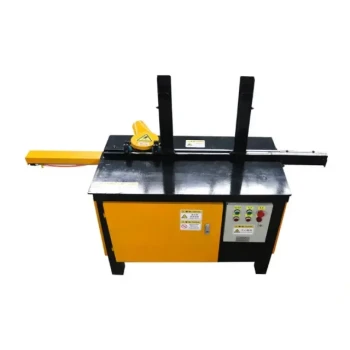
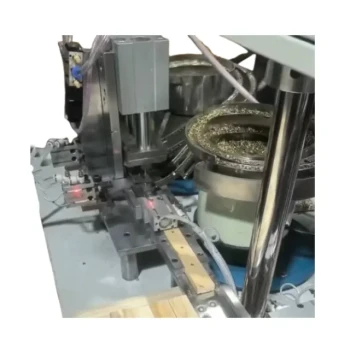
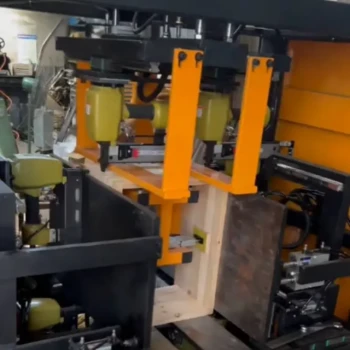
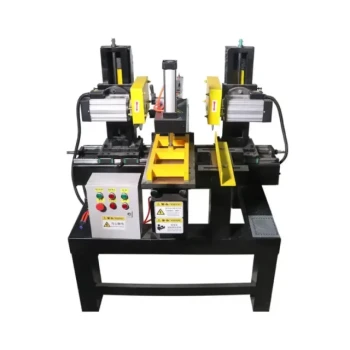
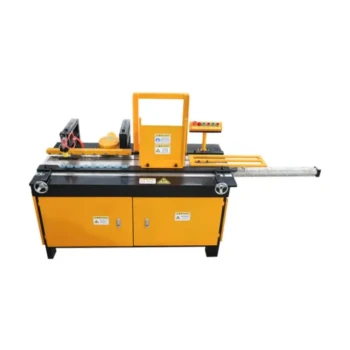
The machine is designed for flexible staffing depending on your production volume and available labor. A single unit can be operated by one person, though this configuration functions at a reduced production rate. Alternatively, assigning two operators allows the team to run multiple machines simultaneously.
Operational efficiency depends on balancing labor costs with desired output; a single operator saves on labor but reduces speed, while a two-person team maximizes throughput across multiple units.
Operational Configurations
The Single-Operator Approach
For environments with limited staff or lower production targets, the machine is fully functional with a single operator.
However, it is critical to note that this setup inherently limits performance. Operating with one person results in a reduced rate, meaning total throughput will be lower compared to optimized staffing levels.
The Multi-Operator Strategy
To maximize efficiency, the system supports a two-operator configuration.
This approach shifts the focus from managing a single unit to managing a fleet. With two operators working in tandem, the workforce can effectively run multiple machines simultaneously, significantly scaling up total production capacity.
Understanding the Trade-offs
Labor Cost vs. Production Speed
The primary trade-off involves weighing the cost of labor against the speed of production.
A single operator minimizes immediate labor costs but introduces a bottleneck in speed. This "reduced rate" may be acceptable for small batches but could impede high-volume workflows.
Scalability and Efficiency
Deploying two operators requires a higher initial investment in manpower but unlocks scalability.
Because two people can manage multiple machines, the ratio of output per labor hour may actually increase in this configuration, provided you have enough machines to justify the extra staff.
Optimizing Your Workforce
To decide on the right approach for your facility, consider your immediate production goals:
- If your primary focus is cost minimization for low-volume runs: Utilize a single operator to keep overhead low, accepting the trade-off of a reduced production rate.
- If your primary focus is maximizing throughput and fleet efficiency: Deploy two operators to manage multiple machines simultaneously, ensuring the highest possible output.
By matching your staffing strategy to your volume requirements, you ensure the machine operates at the optimal intersection of cost and speed.
Summary Table:
| Operational Mode | Manpower Required | Production Speed | Scalability |
|---|---|---|---|
| Single-Operator | 1 Person | Reduced Rate | Limited (Low Volume) |
| Multi-Operator | 2 People | Maximum Throughput | High (Manage Multiple Units) |
Maximize Your Apiary Efficiency with HONESTBEE
At HONESTBEE, we specialize in empowering commercial apiaries and distributors with advanced beekeeping machinery and tools designed for high-volume success. Whether you are looking for high-capacity honey-filling machines or specialized hive-making equipment, our solutions are engineered to scale with your workforce.
Ready to streamline your production? Contact us today to discover how our wholesale beekeeping equipment and industrial consumables can increase your output per labor hour and drive your business forward.
Related Products
- Full Set Beekeeping Electronic Bee Venom Collector Machine Device for Bee Venom Collecting
- HONESTBEE 15-in-1 Beekeeper Multi-Tool with Hammer and Pliers for Beekeeping
- HONESTBEE Top Bar & Bottom Bar Forming Machine | Bee Frame Machine
- Heavy Duty Manual Bee Smoker Blower for Beekeeping
- Professional Bee Smoker with Elongated Spout and Durable Bellows for Beekeeping
People Also Ask
- How does the glass plate integrated into a bee venom collector contribute to maintaining quality and purity?
- What is the function of specialized collection equipment in the production process of bee venom? Expert Guide
- What is the significance of using specialized bee venom collection devices in commercial beekeeping operations?
- Why are bee venom collection devices typically mounted on specialized wooden carrier boards? Maximize Yield & Purity.
- How does a dedicated bee venom collection device operate? Extract Pure Venom Safely Without Harming Your Bees