Adjustable hive entrance hardware and protective fences prevent colony loss by creating a defensible physical bottleneck. These tools allow guard bees to concentrate their defensive efforts at a single, narrow opening, effectively repelling predators like wasps and stopping "robbing" attempts by rival colonies. By limiting access to internal food reserves and reducing the intrusion of external pests, these barriers minimize colony stress and prevent the transmission of viral infections.
Physical defense hardware transforms an exposed hive into a secure fortress, allowing honey bees to maintain their population and food stores against biological and environmental pressures. For distributors, offering a full-spectrum portfolio of these components is essential for addressing the diverse predatory challenges faced by professional apiaries.
Strategic Defense via Entrance Hardware
The Mechanics of the Bottleneck Effect
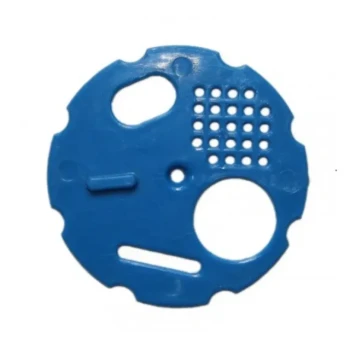
Reducing the hive entrance to a size where only one or two bees can pass at a time creates a massive tactical advantage for the resident colony. Guard bees can easily monitor and defend a small gap, whereas a wide-open entrance is impossible to patrol effectively against determined intruders. This mechanical restriction is the first line of defense against both predatory insects and "robber" bees from neighboring hives.
Preventing Resource Depletion and Robbing
"Robbing" occurs when stronger colonies attack a weaker one to steal their honey reserves, which is a leading cause of colony depletion. Adjustable entrance reducers and specialized hardware blocks these intruders, ensuring that the colony’s food stores remain intact for their own survival. This protection is especially critical during nectar dearths when competition for resources is at its peak.
Reducing Viral Cross-Infection
Intruders from external colonies often carry pathogens and parasites that can devastate a healthy hive. By utilizing physical barriers to prevent unauthorized entry, beekeepers significantly lower the risk of viral cross-infection between apiaries. This bio-security measure is vital for maintaining the long-term stability and health of the entire apiary.
Multi-Layered Protection with Fencing and Stands
Mitigating Large Predator Access
While entrance hardware stops insects, protective fencing and elevated hive stands address larger threats like skunks and other small mammals. Raising the hive high enough off the ground prevents these animals from reaching the entrance to eat the bees. This layer of protection reduces the constant "alarm state" of the colony, allowing them to focus on honey production and brood rearing.
Environmental and Climate Stability
Apiary infrastructure like sturdy stands also serves as a primary defense against environmental stressors such as flooding and ground-level moisture. By elevating the hive, beekeepers maintain a more stable internal microclimate and protect the woodenware from rot. This structural integrity is essential for preventing colony migration or "absconding" due to a poor living environment.
Combating Propolis Theft and Stress
In certain regions, natural competitors like leafcutter bees may attempt to steal propolis from the hive’s vital tube structures. Physical protection structures safeguard these essential components, reducing acute stress levels in the colony. Maintaining a low-stress environment ensures that the bees adhere to their normal production rhythms and do not abandon the hive.
Understanding the Trade-offs
The Risk of Over-Restriction
While a small entrance is easier to defend, it can severely limit ventilation and airflow during peak summer months. If the hardware is not adjusted correctly for the season, the hive can overheat, leading to heat stress and potential brood loss. Professionals must select hardware that offers a balance between security and adequate air exchange.
Maintenance and Cleaning Requirements
Physical barriers can occasionally trap debris or dead bees behind the reducer, which may attract secondary pests like wax moths. Regular inspection and the use of movable frame structures are necessary to ensure that the defense hardware does not inadvertently become a sanitation liability. Expert sourcing of high-quality, easy-to-clean hardware is the best way to mitigate these maintenance risks.
Optimizing Your Product Portfolio for Client Success
To provide maximum value to your B2B clients, your inventory should reflect a deep professional understanding of regional predatory pressures and seasonal needs.
- If your primary focus is high-predation environments: Stock heavy-duty mesh guards and elevated, pest-resistant stands to deter both aggressive insects and small mammals.
- If your primary focus is seasonal robbing prevention: Prioritize adjustable, multi-position entrance reducers that allow beekeepers to rapidly scale openings based on colony strength and current nectar flow.
- If your primary focus is one-stop sourcing for commercial apiaries: Offer a comprehensive range of frame hives and integrated hardware that facilitates rapid health inspections and efficient order fulfillment.
Providing your clients with professional-grade physical defenses ensures long-term apiary productivity and minimizes the high costs associated with colony attrition.
Summary Table:
| Hardware Type | Primary Function | Key Benefit |
|---|---|---|
| Entrance Reducers | Creates a defensible bottleneck | Stops robbing behavior & predatory insects |
| Protective Fencing | Physical perimeter barrier | Deters larger mammals like skunks |
| Elevated Stands | Vertical hive clearance | Prevents ground moisture & pest access |
| Heavy-Duty Guards | Reinforced screening | Maintains airflow while blocking aggressive wasps |
Scale Your Wholesale Business with HONESTBEE
Maximize your profit margins and supply reliability by partnering with HONESTBEE. We provide a comprehensive one-stop sourcing platform for distributors and B2B resellers, offering everything from professional hive hardware to honey-filling machines and essential consumables.
Why Choose HONESTBEE?
- Full-Spectrum Portfolio: Access our complete range of beekeeping tools, machinery, and cultural merchandise.
- Premium Trading Services: Benefit from OEM/ODM support, deep industry expertise, and dedicated customer service.
- Efficient Fulfillment: Rapid response times and ultra-fast delivery to keep your inventory moving.
Ready to enhance your product offering with high-demand apiary defense solutions? Contact our team today to request a quote!
References
- Manjola Kuliçi. Trendi i kolonive të bletës mjaltore në Shqipëri dhe faktorët kërcënues. DOI: 10.55312/op.vi2.4585
This article is also based on technical information from HonestBee Knowledge Base .
Related Products
- Professional Reversible Beehive Hive Entrance
- Steel Round Disc Entrance Reducer for Flexzion Bee Hive Nuc Box Gate
- Heavy Duty Adjustable Hive Connector
- Multi-Functional Rotary Hive Entrance Disc for Beekeeping
- Multi-Functional Sliding Hive Entrance for Beekeeping
People Also Ask
- Where is the hive entrance typically located? Optimize Your Hive's Health and Honey Production
- What role does the size of the entrance play in hive ventilation? Master Beehive Climate Control
- What roles does the hive entrance (piquera) play in beehive management and colony health? Essential Guide for Pro Apiaries
- What are the primary advantages of providing a smaller entrance for a beehive? Boost Defense and Winter Survival
- Why adjust beehive entrance size for humidity? Boost Honey Ripening and Varroa Control in Commercial Apiaries