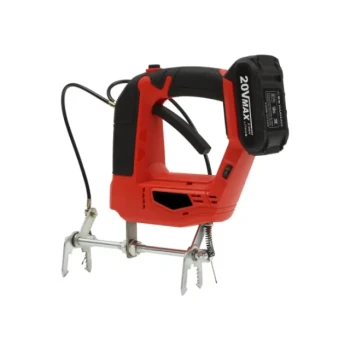
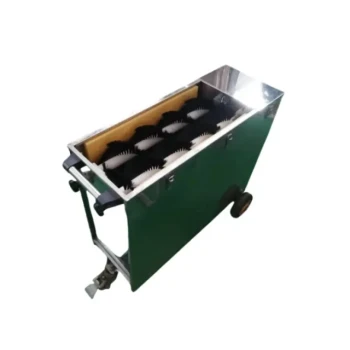
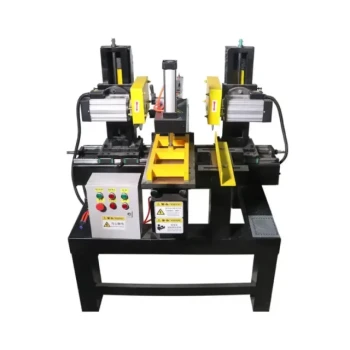
Operational resilience in commercial beekeeping is strictly a function of shifting from manual reliance to mechanical integration. Advanced machinery and electromechanical equipment enhance resilience by automating heavy physical labor, which allows operators to pivot their focus toward technical management and localized breeding programs. This strategic shift not only optimizes internal efficiency but safeguards the apiary against external supply chain shocks, such as border closures or interruptions in imported bee stock.
The integration of advanced equipment transforms an apiary from a labor-intensive farm into an agile, technical operation. By enabling precise management and localized breeding, machinery provides the independence required to withstand global logistics disruptions and economic volatility.
Shifting Focus to Technical Autonomy
Reducing Reliance on Manual Labor
The primary contribution of electromechanical equipment is the drastic reduction of heavy physical labor. By automating routine physical tasks, beekeepers are no longer exhausted by the sheer mechanics of hive manipulation. This preservation of human energy is critical for maintaining consistent operations during peak seasons.
Enabling Localized Breeding
With the physical burden lifted, operators can focus on refined management and breeding practices. This is the cornerstone of resilience: the ability to breed bees locally rather than relying on external sources.
Mitigating Supply Chain Risks
A mechanized operation that fosters local breeding reduces dependency on imported bee packages. This creates a buffer against external shocks, such as supply chain disruptions or border closures, ensuring the apiary remains operational even when global logistics fail.
Standardization as a Resilience Multiplier
Precision Through Hive-Making Machines
Industrial-grade hive-making machines produce components with exact dimensional consistency. Unlike hand-built equipment, machine-made hives eliminate variability, ensuring that every frame and box is perfectly uniform.
Ensuring Equipment Interchangeability
Dimensional consistency creates universal interchangeability across the operation. In a crisis or during rapid scaling, any component can replace another without modification. This simplifies maintenance and streamlines the assembly process for large-scale apiaries.
Facilitating Downstream Automation
Standardized hives are a prerequisite for advanced processing. Precise dimensions ensure technical compatibility with automated centrifugal extractors and filling machines, allowing the operation to scale production without a linear increase in labor.
Enhancing Biological and Economic Stability
Stabilizing the Micro-Environment
Machine-manufactured hives feature tighter construction with minimized gaps. This enhances thermal insulation, protecting the colony during abnormal temperature fluctuations and reducing losses caused by environmental stress.
Reducing Resource Waste
Research suggests many apiaries operate at only 46% economic efficiency due to improper resource allocation. The strategic configuration of professional machinery can reduce resource input by up to 54% while maintaining output, directly addressing inefficiencies.
Improving Transport Durability
High-quality, machine-produced hives offer superior resistance to wear and tear. This structural integrity is essential for cross-regional transportation, ensuring reliable pollination services and lowering long-term equipment replacement costs.
Understanding the Trade-offs
The Requirement for Strategic Investment
While machinery reduces labor, it requires significant upfront capital investment. Achieving the potential 54% reduction in resource input demands a precise configuration of tools, not just random purchasing. Misallocation of capital into the wrong machinery can lower ROI rather than raise it.
Maintenance and Adaptation
Moving to an electromechanical model shifts the maintenance burden from biological care to mechanical upkeep. Operators must possess or hire the technical skills to maintain hive-making machines and automated extractors to prevent downtime.
Making the Right Choice for Your Goal
To maximize operational resilience, align your equipment choices with your specific strategic objectives:
- If your primary focus is Supply Chain Independence: Prioritize equipment that automates routine labor to free up time for localized breeding and technical colony management.
- If your primary focus is Scalability and Efficiency: Invest in industrial-grade hive-making machinery to ensure the standardization required for automation and interchangeable parts.
True operational resilience is achieved when technology handles the repetition, leaving the beekeeper free to manage the biology.
Summary Table:
| Resilience Factor | Impact of Advanced Machinery | Strategic Benefit |
|---|---|---|
| Labor Reliance | Automates heavy physical tasks and hive manipulation | Shifts focus to technical management and breeding |
| Supply Chain | Enables localized breeding and reduces package imports | Buffers against border closures and logistics shocks |
| Standardization | Precision hive-making with 100% interchangeability | Ensures compatibility with automated extractors |
| Efficiency | Reduces resource waste by up to 54% | Maximizes ROI and lowers long-term operational costs |
| Biological Stability | Enhanced thermal insulation and structural integrity | Protects colonies from environmental stress and transport |
Elevate Your Apiary's Resilience with HONESTBEE
In an industry facing global logistics volatility and rising labor costs, HONESTBEE empowers commercial apiaries and distributors with the technical autonomy needed to thrive. Our comprehensive wholesale catalog ranges from industrial-grade hive-making and honey-filling machines to essential beekeeping tools and industry consumables.
By partnering with us, you gain more than just equipment; you gain operational independence. We provide the specialized hardware and high-quality supplies necessary to standardize your operations, reduce manual labor, and facilitate localized breeding programs.
Ready to transform your apiary into a scalable, high-efficiency operation?
Contact HONESTBEE Today to Discuss Your Wholesale Needs
References
- Matthew Polinsky. Beekeeping in Canada: Trends of Self-Sufficiency and Participation in the Global Honey Bee Trade. DOI: 10.21083/crrf.v31i1.7332
This article is also based on technical information from HonestBee Knowledge Base .
Related Products
- Electric 8 Frame Honey Spinner Extractor Equipment for Beekeeping
- High Performance Cordless Electric Bee Shaker for Beekeeping
- Stainless Steel J Hook Hive Tool for Beekeeping
- Electric Bee Smoker European Style Bee Hive Smoker for Beekeeping
- HONESTBEE 15-in-1 Beekeeper Multi-Tool with Hammer and Pliers for Beekeeping
People Also Ask
- What are the advantages of an electric honey extractor? Boost Efficiency and Scale Your Honey Production
- What are the characteristics of electric honey extractors? Boost Your Apiary Efficiency with Automated Technology
- What are the disadvantages of using an electric honey extractor? Weighing Cost, Power, and Comb Safety
- What are the features of an electric honey extractor? Boost Your Apiary's Productivity with Motorized Efficiency
- What are the technical advantages of electric honey extractors? Maximize Yield and Protect Your Bee Colony