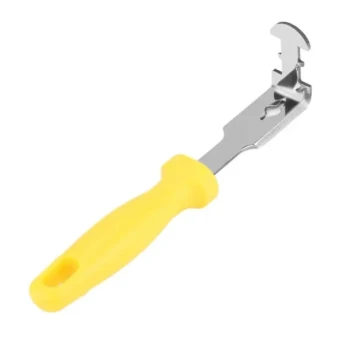
Apiary hygiene tools and standardized comb management equipment function primarily by eliminating the environmental conditions pests need to thrive. By utilizing these tools to systematically remove waste combs and wax debris from the apiary site, beekeepers deny pests like the greater wax moth their essential food sources. This process of clearing refuse removes the breeding grounds necessary for infestation, stopping outbreaks before they begin.
Effective pest management relies on the principle of resource denial. By using standardized equipment to minimize physical hiding spots and hygiene tools to remove organic debris, you dismantle the ecosystem that wax moths require to reproduce and survive.
The Mechanics of Prevention
Eliminating Food Sources and Breeding Grounds
The primary defense against wax moths is the thorough removal of waste. Wax moths require wax, pollen, and hive debris to nourish their larvae.
Hygiene tools enable the beekeeper to scrape and clear wax fragments from the apiary floor and hive components. If this refuse is left scattered, it becomes a prime target for adult moths to lay eggs.
By maintaining a debris-free site, you starve the population and prevent the initial establishment of a nest.
The Role of Standardized Frames
Using standardized wooden frames is a critical mechanical control method. Unlike irregular or makeshift equipment, standardized gear is designed with specific dimensions that align with bee biology (bee space).
These frames ensure there are no "dark corners" or inaccessible gaps where wax moths typically prefer to hide cocoons and eggs.
Because the spacing is uniform, bees can easily access, patrol, and clean every part of the frame. This allows the colony's natural defense mechanisms to function efficiently, physically removing moth larvae before they cause damage.
Managing Equipment Through the Lifecycle
Protection During Storage
Wax moths are opportunistic and frequently attack exposed wax materials that are not currently in a hive.
To interrupt the pest life cycle, beekeepers use specialized cold storage or airtight fumigation for off-season equipment.
This preservation strategy protects valuable drawn comb from being destroyed while in storage. It allows you to reuse these assets in subsequent flowering seasons, significantly reducing operational costs.
Remediation of Infested Gear
When prevention fails, equipment management dictates how to handle the aftermath to prevent spread.
For minor infestations, the standard protocol involves manually removing webbing and larvae, followed by freezing all components. This kills the moth at every life stage, including the hard-to-spot eggs.
Starting a new cycle with thoroughly frozen and cleaned hives ensures no dormant pests are reintroduced to a healthy colony.
Understanding the Trade-offs
The "Repair vs. Replace" Decision
While hygiene tools allow for the maintenance of equipment, there is a point of diminishing returns.
In cases of extensive wax moth damage, the most efficient hygienic choice is often to burn the affected comb entirely rather than attempting to salvage it.
Attempting to clean heavily infested gear requires significant labor and carries the risk of missing hidden eggs, which can lead to immediate re-infestation.
Operational Costs
Implementing a strict hygiene protocol requires investment in specialized consumables and monitoring tools.
While these tools effectively reduce parasite loads and protect the queen, they represent an ongoing operational cost compared to a passive management style. However, this cost is generally offset by the stability of production levels in commercial apiaries.
Making the Right Choice for Your Goal
- If your primary focus is disease prevention: Prioritize the use of standardized wooden frames to eliminate dead space and allow your bees to patrol the hive effectively.
- If your primary focus is asset preservation: Invest in cold storage capabilities to interrupt the wax moth life cycle and protect your drawn comb during the off-season.
- If your primary focus is rapid remediation: Establish a clear protocol for freezing minor infestations while being prepared to burn heavily damaged equipment to protect the rest of the apiary.
Consistent hygiene is not just about cleanliness; it is the most effective form of insurance for your colony's long-term health.
Summary Table:
| Tool / Equipment | Prevention Mechanism | Key Benefit |
|---|---|---|
| Hygiene Scraping Tools | Removes waste wax, pollen, and debris | Eliminates primary food sources and breeding grounds |
| Standardized Wooden Frames | Maintains precise bee space with no gaps | Enables bees to patrol and clean all areas effectively |
| Cold Storage / Airtight Gear | Physical and thermal barrier | Protects drawn comb during the off-season storage |
| Freezing Equipment | Thermal remediation of eggs and larvae | Eradicates infestations before reintroducing gear to hives |
| Disposal Protocols | Complete removal of heavily infested comb | Prevents the spread of pests to healthy colonies |
Secure Your Apiary’s Success with HONESTBEE
Protecting your commercial apiary from pests requires more than just diligence—it demands professional-grade equipment. HONESTBEE provides commercial apiaries and distributors with the high-quality tools needed to maintain industry-leading hygiene standards.
From standardized wooden frames that optimize bee health to advanced hive-making and honey-filling machinery, we supply the full spectrum of beekeeping hardware and essential consumables. Partner with us to enhance your production efficiency and safeguard your colonies.
Ready to upgrade your equipment? Contact us today to explore our comprehensive wholesale offerings and discover how our expertise can drive your business forward.
References
- Abubakar Abdullahi Lawal, A. A. Oyerinde. Incidence of Predators and Anthropogenic Activities Affecting Beekeeping in Nigeria. DOI: 10.53555/nnfaes.v7i2.959
This article is also based on technical information from HonestBee Knowledge Base .
Related Products
- Professional 600D Oxford Cloth Beekeeping Tool Bag with 8 Pockets and Elastic Loops
- Professional Grade Foldable Beehive Handles
- Professional Stainless Steel Pry-Bar Hive Tool
- HONESTBEE 15-in-1 Beekeeper Multi-Tool with Hammer and Pliers for Beekeeping
- HONESTBEE Professional Long Handled Hive Tool with Precision Cutting Blade
People Also Ask
- What is the recommended method for storing beekeeping tools? Expert Vertical Storage Solutions for Your Apiary
- Why is the treatment of beekeeping tools with high-concentration chemical disinfectants necessary for preventing AFB?
- How does a favorable microclimate interact with beekeeping tools? Boost Overwintering Success and Equipment Longevity
- How does the genetic identification of honeybee populations influence the selection of beekeeping tools? Precision Gear Guide
- What are the approximate costs of basic beekeeping tools? Start Your Apiary for Under $85