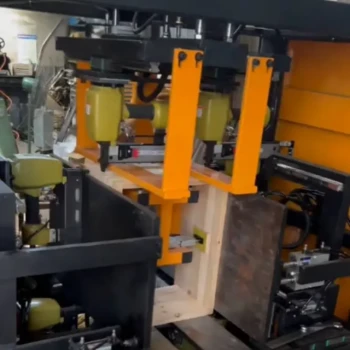
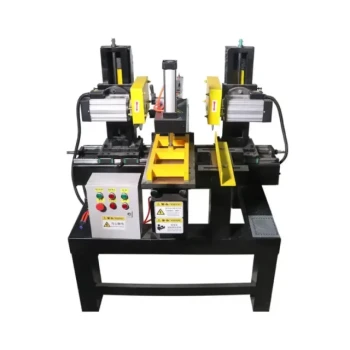
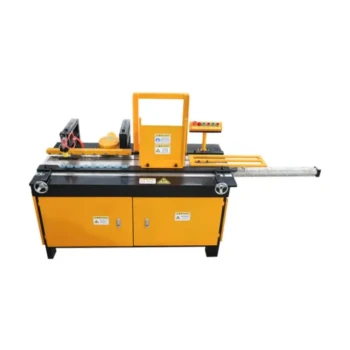
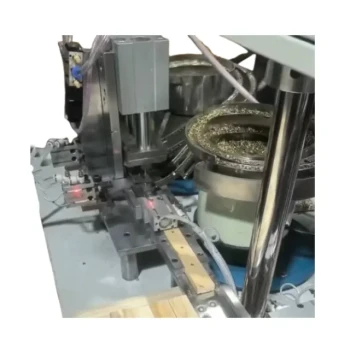
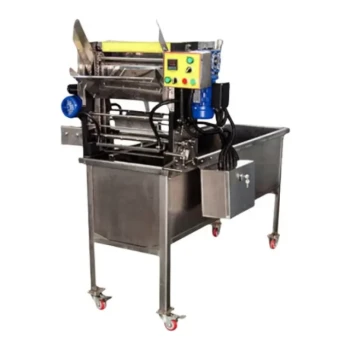
Automated hive manufacturing drives economic efficiency by ensuring every component produced possesses a high degree of dimensional consistency and structural strength. This precision accelerates assembly times, enhances long-term durability, and establishes a standardized infrastructure that allows operations to scale effectively, potentially increasing the annual output value of each apiary by approximately $4,100.
In large-scale commercial operations, the primary value of automation is not just production speed, but the creation of a strictly standardized hardware ecosystem. This uniformity reduces labor overhead and enables seamless asset interchangeability, transforming beekeeping from a manual craft into a high-yield industrial process.
The Foundation of Economic Efficiency: Standardization
Achieving Dimensional Consistency
For operations managing hundreds of apiaries, component variation is a costly bottleneck. Automated machinery ensures that thousands of hive bodies and frames are manufactured with precise dimensional consistency.
This eliminates the need for manual adjustments during assembly. Beekeepers can assemble units rapidly, knowing every part will fit perfectly, which significantly reduces the labor hours required to prepare equipment for the season.
Facilitating Asset Interchangeability
Standardization is the bedrock of efficiency in large-scale apiary management. When dimensions are exact, frames and combs become fully interchangeable across different colonies and hive bodies.
This flexibility allows staff to move resources—such as honey frames or brood combs—between hives without compatibility issues. This capability is essential for balancing colony strength and managing resources across a distributed network of apiaries.
Enabling Downstream Automation
The benefits of precise manufacturing extend beyond the hive itself. Standardized frames and boxes ensure technical compatibility with subsequent automated equipment, such as centrifugal extractors and filling machines.
If hive components vary in size, they can jam or damage processing machinery. Uniform hardware ensures a smooth workflow from the field to the extraction facility, preventing costly downtime.
Operational Gains and Yield Increases
Increasing Resource Utilization
By standardizing infrastructure, beekeeping operations can more effectively utilize high-quality resources. The primary data indicates that this optimization can increase the annual output value of each apiary by approximately $4,100.
This financial gain is realized through scale management. When hardware is reliable and uniform, operators can manage more hives with the same amount of labor, spreading fixed costs over a larger production base.
Enhancing Durability and Structure
Automated equipment produces components with superior structural strength compared to manual assembly. Tighter tolerances and precise joinery result in hives that withstand the rigors of migratory beekeeping and outdoor exposure.
Longer-lasting equipment reduces the frequency of replacement and repair. This lowers long-term capital expenditure, allowing funds to be reinvested into colony health or expansion rather than maintenance.
Optimizing Biological Health
Precision manufacturing aligns hive structures with honeybee biological requirements. Accurate internal dimensions influence nesting behavior and help maintain a stable colony environment.
Furthermore, high-precision processing minimizes gaps where pests can hide, thereby reducing parasite risks. A healthier colony is a more productive colony, directly impacting the bottom line through higher honey yields and better pollination services.
Understanding the Trade-offs
High Initial Capital Investment
Implementing industrial-grade manufacturing machinery requires significant upfront capital. Operations must have sufficient scale to amortize these costs over thousands of hives to see a return on investment.
Rigidity in Design
Once an automated line is set for a specific dimension or hive style, changing specifications can be difficult and costly. You commit to a specific standard, reducing the flexibility to experiment with non-standard equipment configurations later.
Maintenance of Complex Machinery
Transitioning to automated manufacturing shifts labor requirements from woodworking to machine maintenance. You will need staff capable of calibrating and repairing complex industrial equipment to prevent production stoppages.
Making the Right Choice for Your Goal
To maximize the economic benefits of automated hive manufacturing, consider your specific operational focus:
- If your primary focus is rapid scaling: Prioritize machines that guarantee 100% interchangeability of parts to streamline logistics across distributed apiaries.
- If your primary focus is operational longevity: Select equipment known for producing high-structural-strength joints to minimize long-term replacement costs.
- If your primary focus is processing efficiency: Ensure your manufacturing specifications align perfectly with your extraction line to prevent bottlenecks during harvest.
Standardization is not merely a convenience; it is the fundamental hardware requirement for sustainable, high-volume commercial beekeeping.
Summary Table:
| Key Benefit | Economic Impact | Operational Advantage |
|---|---|---|
| Dimensional Consistency | Reduces labor assembly costs | Eliminates manual adjustments and part mismatches |
| Asset Interchangeability | Maximizes resource utilization | Seamlessly swap frames and combs across hundreds of hives |
| Increased Durability | Lowers long-term CAPEX | Precise joinery withstands migratory rigors and weather |
| Automation Compatibility | Prevents processing downtime | Perfect fit for centrifugal extractors and filling machines |
| Biological Optimization | Higher honey yields | Healthier colonies via minimized gaps and pest control |
Scaling Your Commercial Apiary or Distribution Business?
At HONESTBEE, we empower commercial beekeeping operations and global distributors with the industrial-grade tools needed to transform traditional beekeeping into a high-yield industrial process. From high-precision hive-making and honey-filling machines to a full spectrum of beekeeping hardware and essential consumables, our portfolio is designed for those managing hundreds of apiaries.
Our Value to You:
- Unmatched Wholesale Selection: Everything from specialized machinery to honey-themed merchandise.
- Standardization Expertise: Equipment built for maximum part interchangeability and durability.
- Global Supply Chain: Reliable machinery and tools for high-volume operations.
Contact HONESTBEE Today to optimize your production efficiency and scale your operations with professional-grade hardware.
References
- Clint R. V. Otto. Assessing the impact of the Conservation Reserve Program on honey bee health. DOI: 10.3133/fs20183082
This article is also based on technical information from HonestBee Knowledge Base .
Related Products
- Automatic High-Speed Bee Hive Box Stapling Machine
- Automatic Finger Joints Joint Making Machine for Bee Box and Hive Making
- High-Efficiency Pneumatic Bee Hive Making Machine for Rapid Box Assembly
- Beehive Machine Double End Saw for Precision Hive Component Manufacturing
- Beehive Handle and Frame Rest Cutting Machine: Your Specialized Hive Machine
People Also Ask
- How is the Bee Box machine adjusted for different box sizes? Maximize Your Woodworking Versatility and Precision
- How is the Bee Box machine operated? Optimize Your Commercial Hive Production with Scalable Staffing Solutions
- How was the Bee Box machine designed? Industrial Engineering for High-Volume Beekeeping Production
- What is the production capacity of the Bee Box machine? Boost Output up to 1,000 Boxes Daily
- What are the power requirements and control system for the Bee Box machine? Optimize Your Apiary Equipment Production