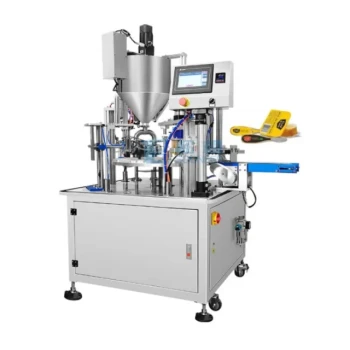
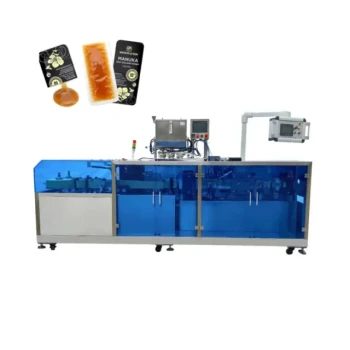
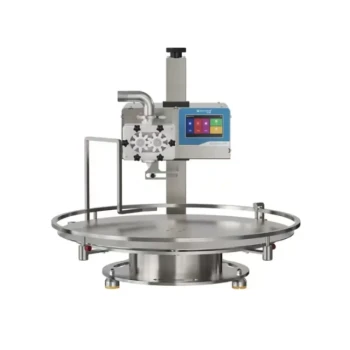
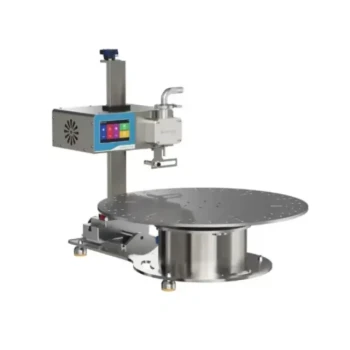
Automated honey-filling and packaging machines function as the critical bridge between artisanal production and legitimate retail viability. For small-scale commercial producers, these systems provide the rigorous standardization in weight, hygiene, and packaging quality that manual methods cannot consistently achieve, directly enabling entry into strict retail and institutional markets.
The Core Insight: Automation is not merely about increasing speed; it is the prerequisite for commercial compliance. By eliminating the variability of manual labor, producers achieve the verified consistency and safety standards that supermarkets, schools, and international buyers demand as a condition of purchase.
Meeting the Standards of Commercial Retail
The Necessity of Strict Consistency
Retailers and institutional buyers, such as schools, require products that are identical in every iteration. Automated machines utilize precise volumetric or weight-based metering systems to ensure every jar contains the exact verified net weight. This eliminates the irregularities of manual filling that often disqualify small producers from commercial contracts.
Overcoming Volume Limitations
Manual labor creates a natural ceiling on how much product you can bring to market. Automation allows producers to bypass these labor constraints to meet high-capacity orders. This scalability is essential for maintaining reliability in the supply chain, a key factor for retail buyers.
Preserving Product Integrity
Minimizing Contamination Risks
Manual filling increases the likelihood of secondary cross-contamination. Automated systems often feature closed-pipe designs that minimize contact between the honey and the external environment. This creates a sterile transition from bulk storage to retail packaging, ensuring strict adherence to food safety regulations.
Protecting Bioactive Qualities
Honey is sensitive to environmental exposure. By significantly increasing packaging speed and sealing containers immediately, automation limits the honey’s exposure to air. This slows down oxidation and moisture absorption, preserving unique botanical aromas and keeping biochemical indicators, such as HMF levels, within the optimal range for high-end markets.
Operational Efficiency and Brand Value
Reducing Waste and Labor Costs
High-precision dosage control significantly reduces the waste of high-value honey that occurs during manual pouring. Furthermore, by automating the labor-intensive filling process, producers can reallocate workforce budget toward marketing or distribution, improving overall operational margins.
Enhancing Professional Credibility
Shelf presence is a deciding factor for consumers. Automated machinery ensures consistent fill levels and sealing, giving the final product a polished, professional appearance. This visual consistency builds brand credibility, signaling to consumers and wholesalers that the operation is professional and trustworthy.
Understanding the Operational Shift
The Trade-off of Standardization
While automation solves volume and consistency issues, it requires a shift in operational mindset. Producers must move from flexible, ad-hoc "batching" to rigid process management. The commitment to automation is a commitment to continuous production flow; it is most effective when the goal is volume and uniformity rather than hyper-customized, jar-by-jar variation.
Making the Right Choice for Your Goal
To determine if automation aligns with your current business stage, consider your primary objectives:
- If your primary focus is Market Access: Prioritize automation to achieve the standardization and hygiene certification required by supermarkets and institutional buyers.
- If your primary focus is Product Quality: Use automation to minimize air exposure and oxidation, preserving the aroma and bioactive components of premium honey.
- If your primary focus is Profitability: Leverage high-precision filling to eliminate product waste and reduce the labor hours required per unit produced.
Ultimately, automated packaging is the tool that transforms a beekeeping hobby into a scalable, competitive commercial enterprise.
Summary Table:
| Benefit Category | Key Advantage | Impact on Business |
|---|---|---|
| Compliance | Precise weight & dosage | Meets strict retail and legal standards |
| Hygiene | Closed-pipe systems | Minimizes contamination and preserves HMF levels |
| Efficiency | High-speed production | Scalable supply chain for bulk/institutional orders |
| Brand Value | Consistent fill levels | Professional shelf presence and consumer trust |
| Cost Control | Reduced product waste | Optimized profit margins and lower labor costs |
Scale Your Honey Business with HONESTBEE
Transitioning from artisanal production to the retail shelf requires the right tools. At HONESTBEE, we specialize in empowering commercial apiaries and distributors with high-performance honey-filling and packaging machinery, specialized hive-making equipment, and a full spectrum of beekeeping tools. Our solutions are designed to ensure your product meets the highest standards of consistency and hygiene, giving you the competitive edge in the global market.
Ready to automate your success? Contact our expert team today to find the perfect machinery and equipment for your commercial operation.
References
- Bessie DiDomenica, Mark Gordon. Food Policy: Urban Farming as a Supplemental Food Source. DOI: 10.5590/josc.2016.08.1.01
This article is also based on technical information from HonestBee Knowledge Base .
Related Products
- Precision Automated Packaging Turntable Honey Spoon Filling Sealing Packing Machine
- Automatic Single-Dose Snap & Squeeze Honey Sachets Packing Machine
- Economy Small Honey Filling Machine Honey Bottle Filler Packaging Machine
- Fully Automatic Honey Filling Packaging Machine for Processing Line
- Commercial Rotary Honey Filling Machine for Production
People Also Ask
- Why is the use of professional filling and sealing packaging machinery necessary for the production of high-value honey?
- What role do automated filling and packaging machines play in the honey supply chain? Scale Your Retail Distribution
- What are the benefits of automated honey filling and packaging? Scale Your Apiary with Industrial Precision
- What role do professional automated filling and packaging machines play in honey processing? Boost Efficiency & Value
- How do automated honey filling and packaging machines contribute to the market value of honey products? Maximize Your ROI