Beehive stands provide colony protection primarily through elevation. By raising the hive off the ground, the stand creates a physical gap that distances the colony’s entrance from ground-dwelling predators like skunks and mice. This vertical separation disrupts easy access for pests and allows for the installation of specialized barriers on the hive legs.
Elevating a hive significantly alters the defensive capability of the colony. It forces predators to expend more effort to reach the entrance, granting guard bees a tactical advantage, while simultaneously creating specific contact points where liquid or mechanical barriers can effectively stop crawling insects.
The Strategic Advantage of Elevation
Deterring Small Mammals
The primary function of a hive stand is to raise the hive high enough to prevent small animals, particularly skunks and mice, from easily reaching the entrance.
When a hive sits on the ground, predators can consume bees or steal honey with minimal effort. Elevation forces these animals to stretch or climb to access the hive, making the predation process difficult and discouraging.
Shifting the Tactical Balance
Raising the hive creates a "height disadvantage" for the attacker.
Because the predator cannot immediately access the hive contents, they are slowed down significantly. This delay gives the honey bee colony a tactical advantage, allowing guard bees to defend the entrance more effectively before the predator can cause significant damage.
Reducing Predator Motivation
Many opportunist predators look for the path of least resistance.
By increasing the physical effort required to feed, stands often cause predators to lose motivation. If the bees cannot be reached without significant struggle, the predator is likely to abandon the attempt in search of easier food sources.
Creating Physical Pest Barriers
Interrupting Insect Pathways
Beyond mammals, stands are essential for managing smaller pests like ants.
The legs of a stand offer distinct options for creating pest barriers that are impossible to implement on a ground-level hive. This reduces the surface area connecting the hive to the earth, funneling traffic to specific points that can be managed by the beekeeper.
Utilizing Liquid Barriers
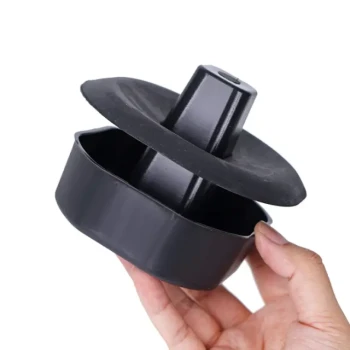
One of the most effective methods for stopping ants is the use of ant-proof bowls.
By placing the hive supports (legs) into containers filled with water or oil, beekeepers create a liquid moat. This effectively interrupts the path of ants, protecting honey reserves and larvae without the need for chemical pesticides that could harm the colony.
Understanding the Trade-offs
Stands Cannot Stop Flying Pests
While stands are excellent against ground threats, they are not a complete defense system.
Flying pests, such as black soldier flies and beetles, are not deterred by elevation alone. Defending against these requires reinforced hive structures and internal protective consumables rather than just a physical stand.
Winter Vulnerabilities Remain
Elevation does not negate the need for seasonal adjustments.
As temperatures drop, mice may still attempt to climb stands to seek shelter and warmth inside the colony. Consequently, stands must be used in conjunction with entrance reducers or mouse guards to ensure total security during colder months.
Making the Right Choice for Your Goal
To maximize the protective benefits of your hive stand, align your setup with your specific local threats:
- If your primary focus is deterring skunks: Ensure the stand elevates the entrance high enough that the animal must expose its underbelly to reach it, making them vulnerable to stings.
- If your primary focus is ant control: Choose a stand with distinct legs that can be easily placed into oil or water reservoirs to create a liquid barrier.
- If your primary focus is winterizing: Combine your stand with entrance reducers to prevent determined rodents from climbing up and entering the hive for warmth.
A properly elevated stand acts as the first line of defense, transforming a vulnerable box into a defensible fortress.
Summary Table:
| Protection Method | Target Pest/Predator | How It Works |
|---|---|---|
| Elevation Gap | Skunks, Mice, Raccoons | Forces predators to expose sensitive areas (underbelly) to guard bees. |
| Liquid Moats | Ants, Crawling Insects | Uses oil or water reservoirs on stand legs to block insect pathways. |
| Tactical Height | Opportunistic Mammals | Increases effort required to reach entrance, discouraging attack attempts. |
| Reduced Footprint | Soil-borne Pests | Minimizes contact points between the earth and the hive structure. |
Secure Your Apiary with Professional-Grade Equipment
Protecting your investment requires more than just a box; it requires a strategic defense. HONESTBEE provides commercial apiaries and distributors with the high-quality beehive stands, specialized machinery, and essential consumables needed to build a defensible and productive operation.
Whether you are scaling your commercial apiary or supplying the next generation of beekeepers, our comprehensive wholesale portfolio—from hive-making machines to honey-themed merchandise—is designed to add value to your business.
Ready to fortify your hives? Contact HONESTBEE today to discuss our wholesale solutions and bulk equipment offerings!
Related Products
- Metal Hive Feet Bee Hive Stand for Ant Protection
- Metal Bee Hive Stand Bee Box Stand for Beekeeping
- Plastic Bee Hive Stand for Beekeeping
- Professional Ant-Proof Beehive Stand with Integrated Moat for Beekeeping
- Wooden Bee Hive Frames for Beekeeping and Wholesale
People Also Ask
- What are the benefits of elevating a bee hive with a stand or base? Protect Your Colony and Your Back
- How does a beehive stand protect against predators and pests? Essential Strategies for Colony Security
- How should the height of a beehive stand be determined? Find Your Ergonomic Sweet Spot
- What to stand a beehive on? The Best Foundation for a Healthy, Manageable Apiary
- How do beehive stands and ground installation methods affect beekeeping productivity in extreme climates? Maximize Yields