Strategic site selection and structural hardening form the dual defense system required to protect honey bee colonies from winter natural disasters. Scientific site selection acts as the primary shield, physically distancing the apiary from macro-level threats like flood zones and wind tunnels, while specialized hive reinforcement components isolate the bee cluster to maintain critical thermal balance when external conditions become extreme.
Scientific site selection mitigates the risk of catastrophic physical loss from storms or floods, while hardware reinforcement preserves the internal micro-climate. The ultimate goal is to prevent environmental chaos from disrupting the colony's ability to regulate its own temperature.
The Role of Scientific Site Selection
avoiding Catastrophic Environmental Hazards
The most effective way to protect a colony from a natural disaster is to ensure it is never in the path of one. Scientific site selection serves as the primary defense against large-scale losses caused by storms, flash floods, or excessive snow accumulation. By analyzing topography and weather patterns, you can place facilities in locations that naturally deflect high winds or drain water away from the hives.
Reducing Thermal Stress through Placement
Proper placement does more than prevent physical destruction; it aids the colony's energy conservation. Positioning hives to maximize solar gain while blocking prevailing winter winds reduces the metabolic load on the bees. This allows the cluster to maintain warmth with less energy expenditure, preserving their vital honey stores for longer periods.
Hardware and Component Reinforcement
Isolating the Cluster with Physical Barriers
Once the site is secured, the hive itself must be fortified to withstand the immediate environment. Implementing physical barriers and specialized components helps isolate the honey bee cluster from rapid temperature fluctuations. These reinforcements prevent the loss of heat, which is the colony's only defense against freezing temperatures.
Specialized Disaster-Prevention Features
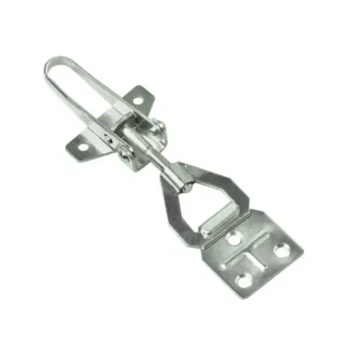
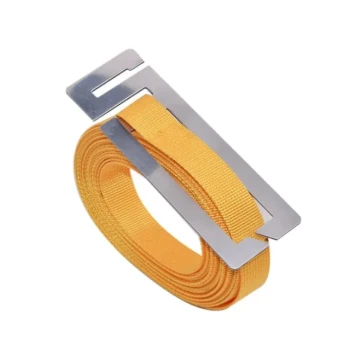
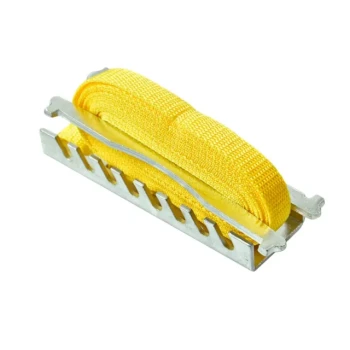
High-reliability hardware is critical for ensuring the safety of colony assets in areas prone to environmental volatility. This includes using components designed to remain structurally sound under the weight of heavy snow or the pressure of high winds. By using industrial-grade materials, you ensure the physical shell of the hive remains intact even when subjected to external stress.
Pest Exclusion as Disaster Prevention
Natural disasters often force wildlife to seek new shelter, turning pests into a significant winter threat. Reinforcing the hive involves installing hardware cloth, mesh, or entrance reducers to act as mouse guards. These components prevent rodents from entering the hive to seek warmth, where they would otherwise destroy comb and disturb the clustering bees.
Understanding the Trade-offs
The Balance of Ventilation and Insulation
While reinforcing a hive against the cold is vital, over-sealing a hive can lead to disaster. Proper ventilation is just as critical as insulation; without it, moisture generated by the bees cannot escape, leading to condensation that can freeze and kill the colony. You must balance the need for thermal retention with the need for airflow.
Accessibility vs. Fortification
Heavily reinforced hives offer superior protection but can complicate management. Using extensive physical barriers or heavy-duty wraps may make it difficult to perform emergency checks or supplemental feeding. It is essential to use components that protect the bees but still allow the beekeeper access when intervention is necessary.
Securing Your Assets Against Winter Risks
To effectively protect your colonies, align your defensive strategy with your specific regional risks.
- If your primary focus is flood or storm mitigation: Prioritize scientific site selection, placing apiaries on elevated ground with natural windbreaks to avoid physical destruction.
- If your primary focus is extreme cold and temperature fluctuation: Invest in specialized hive components that enhance insulation and reduce entrances to maintain the cluster's thermal balance.
- If your primary focus is pest intrusion: Install 10-frame mouse guards or hardware cloth immediately to prevent rodents from exploiting the hive's warmth during snow events.
By combining calculated placement with robust hardware, you transform your apiary from a vulnerable target into a resilient fortress capable of weathering the season's worst events.
Summary Table:
| Protection Category | Key Component/Strategy | Primary Benefit |
|---|---|---|
| Macro-Level Defense | Strategic Site Selection | Avoids flood zones, wind tunnels, and snow accumulation. |
| Micro-Climate Control | Specialized Insulation Wraps | Reduces metabolic load by maintaining cluster warmth. |
| Structural Stability | Heavy-Duty Hardware/Straps | Prevents hive collapse from high winds or heavy snow. |
| Pest Prevention | Mouse Guards & Hardware Cloth | Blocks rodents from entering and destroying the winter cluster. |
| Moisture Management | Ventilation Components | Prevents condensation and freezing within the hive shell. |
Secure Your Apiary for the Winter Season with HONESTBEE
Protecting commercial bee colonies from natural disasters requires more than just standard gear—it demands industrial-grade reliability. HONESTBEE specializes in catering to commercial apiaries and distributors, providing a comprehensive wholesale range of specialized beekeeping tools and machinery designed for resilience.
From heavy-duty hive-making components that withstand extreme weather to essential hardware and consumables that safeguard your bees' thermal balance, our portfolio ensures your assets are protected year-round. Don't leave your honey production to chance; leverage our expertise and premium equipment to build a resilient fortress for your bees.
Contact us today to discuss your wholesale requirements!
References
- Alison Gray, Robert Brodschneider. Honey bee colony winter loss rates for 35 countries participating in the COLOSS survey for winter 2018–2019, and the effects of a new queen on the risk of colony winter loss. DOI: 10.1080/00218839.2020.1797272
This article is also based on technical information from HonestBee Knowledge Base .
Related Products
- Heavy Duty Adjustable Hive Connector
- Steel Round Disc Entrance Reducer for Flexzion Bee Hive Nuc Box Gate
- Durable Plastic Interlocking Hive Connector for Beekeeping
- Heavy-Duty Nylon Beehive Hive Strap with Stainless Steel Cinch Buckle
- Metal Hive Feet Bee Hive Stand for Ant Protection
People Also Ask
- Under what circumstance are beehive connectors particularly beneficial? Optimize Handling for Full Beehive Attachments
- What is the advantage of using the beehive connector when handling full attachments? Achieve Safe and Efficient Hive Transport
- What are the primary functions of a beehive connector? Ensure Hive Stability and Safe Colony Transport
- How can the connection length and strength of a beehive connector be adjusted? Master Tension with Threaded Mechanics
- What is the purpose of the beehive connector? Secure Your Hive for Safe Transport