Centralized honey marketplace facilities function as the critical technical bridge between raw apiary production and the commercial market. By consolidating storage, testing, and marketing infrastructure, these hubs enable rigorous quality control and integrate real-time market feedback, ensuring beekeepers can maintain sustainable operations while delivering consistent, high-quality products.
Centralized facilities transform a fragmented supply chain into a streamlined industrial operation by standardizing quality through detailed testing and minimizing logistical losses via specialized storage infrastructure.
Establishing Quality and Consistency
Centralized Quality Control
The primary function of these facilities is to enforce quality standards that individual producers may struggle to meet alone. By acting as a checkpoint, they ensure that only products meeting specific purity criteria move forward in the supply chain. This centralized screening serves as a guarantee for the end market.
Industrial-Grade Processing
To achieve this consistency, facilities utilize shared industrial infrastructure, such as high-capacity centrifuges and filtration equipment. This machinery efficiently separates honey from frames and removes impurities. This level of processing is essential for meeting the strict standards required for international export.
Optimizing Storage and Logistics
The Role of Collection Centers
Honey collection centers act as vital logistics nodes that connect remote apiaries to global markets. These facilities are equipped to handle large-scale accumulation and initial quality screening. By aggregating volume here, the supply chain reduces the complexity of dealing with hundreds of individual small-scale shipments.
Standardized Storage Solutions
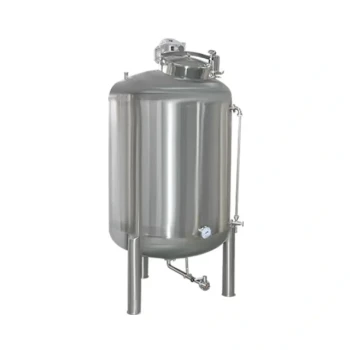
Efficiency is driven by the use of standardized storage drums and large-scale jars. These containers feature uniform dimensions that facilitate stacking, warehousing, and inventory management. This standardization is crucial for high-efficiency logistics, allowing for the seamless movement of bulk honey across long distances.
Preservation and Protection
Specialized containers are used to isolate bee products from environmental factors like moisture and oxidation. Utilizing superior sealing and food-grade materials prevents chemical migration and physical contamination. This ensures the honey retains its chemical integrity from the moment it leaves the apiary until it reaches the processing plant.
Bridging the Producer-Consumer Gap
Integrating Market Feedback
Centralized marketplaces do more than store product; they process information. They provide a mechanism for market feedback to reach the producer, helping beekeepers adjust their management practices to meet current demand. This feedback loop is essential for maintaining a sustainable economic model for producers.
Enhancing Value Through Education
Facilities such as boutiques and professional tasting rooms serve as the interface with the service and tourism sectors. They provide a controlled environment for sensory evaluation and consumer education. By showcasing the unique value of specialty honeys, these venues support direct sales and justify higher commercial markups.
Operational Considerations and Trade-offs
The Requirement for Standardization
While centralization boosts efficiency, it imposes strict requirements on producers regarding packaging and handling. Participating in this supply chain often requires the purchase of specific "consumables," such as standardized jars or drums, to ensure compatibility with the facility’s stacking and transport equipment.
Traceability Demands
Centralized processing relies heavily on strict traceability protocols. The use of specific, standardized containers is often mandatory to track honey back to the source. This ensures safety and compliance but increases the administrative and material burden on the initial production phase.
Making the Right Choice for Your Goal
Whether you are focusing on high-volume trade or niche value, understanding the specific role of these facilities is vital.
- If your primary focus is large-scale commercial export: Prioritize facilities that offer industrial filtration and standardized drum storage to ensure logistical efficiency and compliance with international purity standards.
- If your primary focus is increasing product value: Look for marketplace facilities that include boutiques or tasting rooms to leverage sensory evaluation and consumer education for higher markups.
By leveraging the infrastructure of centralized marketplaces, producers can secure the stability and quality assurance necessary to thrive in a competitive global market.
Summary Table:
| Facility Component | Primary Function | Benefit to Supply Chain |
|---|---|---|
| Quality Control Hubs | Centralized testing and screening | Ensures purity and compliance for international export. |
| Industrial Processing | Shared high-capacity filtration/centrifuges | Reduces individual overhead and standardizes consistency. |
| Logistics Nodes | Volume aggregation and collection | Minimizes shipping complexity and reduces logistical costs. |
| Standardized Storage | Food-grade drums and uniform containers | Protects chemical integrity and optimizes warehouse space. |
| Market Feedback Loop | Consumer data and tasting boutiques | Connects producers to demand and justifies premium pricing. |
Scale Your Apiary Operations with HONESTBEE
Transitioning from raw production to global markets requires the right industrial infrastructure. HONESTBEE specializes in empowering commercial apiaries and distributors with the professional-grade tools needed to succeed in centralized marketplace systems.
From honey-filling and hive-making machinery to a complete range of wholesale beekeeping tools and essential consumables, we provide the hardware that ensures your products meet international quality standards. Whether you are scaling for high-volume trade or building a boutique honey brand, our comprehensive portfolio is designed to drive your efficiency.
Ready to elevate your honey production? Contact us today to discover how HONESTBEE can streamline your supply chain and maximize your market value.
References
- Hippolyte Affognon, S. K. Raina. Adoption of modern beekeeping and its impact on honey production in the former Mwingi District of Kenya: assessment using theory-based impact evaluation approach. DOI: 10.1017/s1742758415000156
This article is also based on technical information from HonestBee Knowledge Base .
Related Products
- Professional Honey Storage Tank with Agitation System
- Stainless Steel Honey Storage and Settling Tank with Double Strainer
- Stainless Steel Honey Storage Tank with Lid for Honey
- Precision Honey Refractometer Instrument for Quality Assessment
- Classic Glass Honey Jar with Metal Lug Cap for Beehive Storage
People Also Ask
- What economic role do honey storage tanks play? Boost Your Revenue Through Strategic Inventory Management
- What roles do industrial honey storage tanks and filtration meshes play in processing? Ensure Purity & Consistency
- What is the purpose of a honey storage tank? Streamline Your Honey Processing for Quality & Efficiency
- What are honey storage tanks used for? Essential Features for Quality Preservation and Profit
- How do large honey storage tanks and gravity fall filling systems improve honey packaging efficiency and safety?