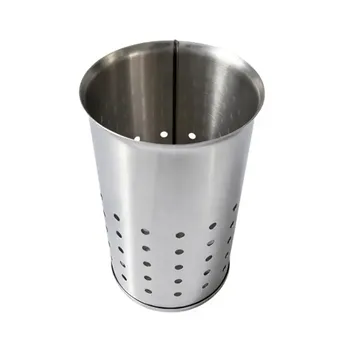
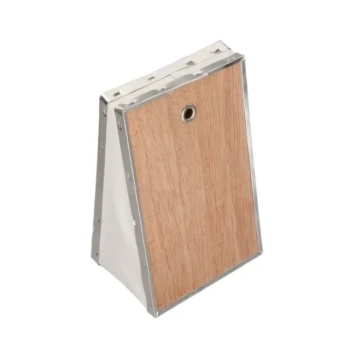
Ceramic bee smokers function by burning organic fuels—specifically charcoal, dried manure, and plant resins like galbanum—to generate a dense, controlled smoke. When directed at a hive, this smoke triggers a natural survival instinct in the bees, causing them to gorge on honey and suppressing their defensive behavior to allow for safe harvesting.
The smoke operates on two levels: it physically masks alarm pheromones and psychologically simulates a forest fire. This prompts the colony to prioritize resource preservation (eating honey) over defense, rendering the bees docile and protecting both the operator and the hive structure.
The Biological Mechanisms of Sedation
Simulating a Natural Threat
The primary function of the smoke is to mimic the sensory signals of a nearby forest fire. Upon detecting the smoke, bees instinctively react to the potential need to abandon the hive.
The Gorging Response
To prepare for this potential evacuation, the bees begin to consume large amounts of honey. This physical state of being "full" makes the bees lethargic and significantly less prone to stinging or aggressive flight.
Disrupting Communication
Beyond the survival instinct, smoke chemically disrupts the colony's alarm pheromone transmission. By blocking these chemical signals, the smoke prevents guard bees from coordinating a defensive attack, keeping the colony calm during intrusion.
The Role of Materials and Construction
Ceramic Construction and Dense Smoke
Ceramic smokers are designed to house a smoldering fire that produces dense, white smoke rather than a roaring flame. The ceramic material helps maintain the necessary heat to burn fuels efficiently without overheating the exterior to dangerous levels.
Specific Fuel Resins
The choice of fuel is critical for efficacy. Primary references highlight the use of galbanum resin, often combined with charcoal or dried manure. Supplementary sources also note the use of specific botanicals like Olea, Vernonia, or Juniperus species to aid in sedation.
Generating "Cool" Smoke
Crucially, these devices are engineered to produce cool smoke. Unlike an open flame, cool smoke permeates the hive to sedate the bees without physically burning their wings or bodies.
Understanding the Trade-offs
Smoker vs. Open Flame
The most significant trade-off involves the method of smoke application. Traditional open flames pose a severe risk of burning individual bees, melting wax, and causing colony collapse.
Environmental Impact
Using a dedicated ceramic smoker eliminates the risk of accidental wildfires. Open flames used in forests (the primary nectar source) can easily spread, whereas a contained ceramic smoker protects the surrounding ecosystem.
Honey Quality Preservation
Properly used, plant-based smoking materials sedate the colony without altering the chemical or physical properties of the honey. Using improper fuels (like synthetic materials) could risk contaminating the harvest.
Making the Right Choice for Your Goal
To ensure a safe and efficient harvest, apply these principles based on your operational focus:
- If your primary focus is Operator Safety: Utilize dense smoke containing galbanum resin to maximally disrupt alarm pheromones and prevent stings.
- If your primary focus is Colony Health: Ensure your smoker produces "cool smoke" to prevent thermal injury to the bees and avoid damaging the honeycomb structure.
- If your primary focus is Environmental Stewardship: strictly use a contained ceramic smoker rather than open fire to eliminate the risk of igniting surrounding vegetation.
By controlling the temperature and composition of the smoke, you transform a potentially dangerous extraction process into a manageable, routine operation.
Summary Table:
| Mechanism | Primary Function | Impact on Bees |
|---|---|---|
| Pheromone Masking | Blocks alarm signals (isopentyl acetate) | Prevents coordinated defensive attacks |
| Survival Instinct | Simulates a nearby forest fire threat | Triggers immediate honey consumption (gorging) |
| Physical Sedation | Provides 'cool smoke' via ceramic housing | Causes lethargy and reduces flight/stinging agility |
| Fuel Composition | Uses resins (Galbanum) and organic matter | Ensures dense smoke without contaminating honey quality |
Elevate Your Beekeeping Operation with HONESTBEE
At HONESTBEE, we specialize in empowering commercial apiaries and distributors with high-performance tools designed for safety and efficiency. Whether you need specialized ceramic smokers, advanced honey-filling machines, or a full range of wholesale beekeeping hardware, our solutions are engineered to protect your colony and your harvest.
Ready to scale your production? Contact us today to explore our comprehensive wholesale catalog and discover how our industry-leading equipment and honey-themed cultural merchandise can add value to your business.
References
- Nikolina Domović Belec. Pčelarstvo u antici. DOI: 10.47054/ziva23731-2193db
This article is also based on technical information from HonestBee Knowledge Base .
Related Products
- Heavy-Duty Bee Smoker with Durable Plastic Bellows for Beekeeping
- Premium Traditional Copper Bee Smoker with Bellows
- Stainless Steel Honey Bee Smoker Hive and Honeycomb Smoker for Beekeeping
- Miniature Stainless Steel Bee Smoker for Beekeeping
- European Stainless Steel Bee Smoker for Honey Bee Hive
People Also Ask
- How do bee smokers equipped with bellows contribute to colony management? Master Pheromone Control for Healthier Hives
- What are bee smokers made out of? Choose the Right Material for Your Apiary
- What are the general principles for effectively using a bee smoker? Master Hive Communication for Calm Inspections
- Why is a functional bee smoker essential during honeybee colony inspections? Master Colony Management and Safety
- How does a smoker help keep a bee colony calm? Master Hive Management with Professional Smoke Techniques