Climate-controlled storage systems safeguard honey by strictly maintaining environmental parameters, specifically keeping temperatures constant below 20°C and relative humidity within 65%. This precise regulation acts as a barrier against moisture absorption, which directly prevents fermentation and spoilage. Furthermore, these systems significantly slow the natural degradation of enzymes, allowing the honey to retain its physicochemical quality for a shelf life of one to two years.
By stabilizing the thermal and atmospheric environment, climate control arrests the biological and chemical processes that lead to degradation. This technology transforms honey from a perishable seasonal harvest into a stable, non-perishable commercial asset that retains its nutritional value and sensory profile.
The Mechanisms of Preservation
Controlling Moisture and Fermentation
Honey is naturally hygroscopic, meaning it actively attracts and holds water molecules from the surrounding environment. If left in high-humidity conditions, honey absorbs moisture until its water content rises enough to allow yeast to thrive.
Climate control systems maintain relative humidity below 65%. This threshold is critical because it prevents the honey from absorbing the atmospheric moisture that triggers fermentation and spoilage.
Preserving Enzymatic Activity
The nutritional value of honey is largely defined by its enzyme content, which is highly sensitive to heat. Exposure to high temperatures causes these enzymes to break down rapidly, diminishing the honey's health benefits.
By keeping temperatures consistently below 20°C, storage systems drastically slow this rate of degradation. This ensures the honey maintains its specific physicochemical properties throughout its retail lifecycle.
Retaining Sensory Attributes
Beyond chemistry, environmental factors degrade the consumer experience by altering how honey looks and smells. Improper storage, such as open-air selling, often leads to color darkening and the evaporation of volatile aroma compounds.
Climate-controlled facilities, often equipped with light-shielding, prevent this sensory deterioration. They ensure the honey retains its original color, viscosity, and delicate floral aromas.
Economic and Operational Benefits
Stabilizing the Supply Chain
Honey production is inherently seasonal, creating distinct peaks in supply that do not always match consumer demand. Without proper storage, producers are forced to sell immediately, often at lower prices due to market saturation.
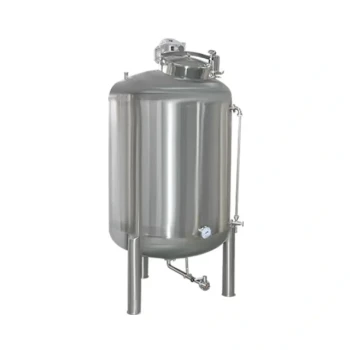
Temperature-controlled tanks allow producers to store inventory safely during off-peak seasons. This capability decouples the sale of the product from the harvest timeline, ensuring a steady market supply.
Protecting Economic Value
The ability to hold inventory without quality loss prevents the financial necessity of price-slash selling. Producers can wait for favorable market conditions rather than liquidating stock due to fear of spoilage.
This supports the economic stability of the beekeeping operation. It transforms the product into a durable asset that holds its value over time.
Understanding the Trade-offs
Viscosity vs. Crystallization
While cooler temperatures preserve enzymes, they can influence viscosity and texture. The goal is to maintain a stable medium, but operators must be aware that certain "preservation" temperatures can still allow for natural crystallization.
Operational Complexity
Implementing climate control shifts the burden from simple warehousing to active facility management. It requires constant energy input and monitoring systems to ensure the environment remains strictly within the 20°C/65% RH window.
Making the Right Choice for Your Goal
Climate-controlled storage is not just about preventing rot; it is a strategic tool for quality assurance and business management.
- If your primary focus is Product Quality: Prioritize maintaining temperature below 20°C and humidity under 65% to maximize enzyme retention and prevent fermentation.
- If your primary focus is Economic Stability: Use climate-controlled facilities to stockpile inventory during harvest peaks, allowing you to sell when market prices normalize.
True preservation requires viewing honey not as a shelf-stable condiment, but as a biologically active substance that demands environmental respect.
Summary Table:
| Preservation Factor | Optimal Setting | Impact on Honey Quality |
|---|---|---|
| Temperature | Below 20°C | Preserves enzymes and prevents color darkening |
| Relative Humidity | Below 65% | Stops moisture absorption and prevents fermentation |
| Light Exposure | Shielded/Dark | Protects delicate floral aromas and sensory profile |
| Inventory Goal | Year-round | Decouples sales from harvest for better market pricing |
Maximize Your Honey Quality with HONESTBEE Professional Solutions
Maintaining the integrity of your honey harvest is critical for commercial success. At HONESTBEE, we empower commercial apiaries and distributors with the specialized machinery and tools needed to maintain peak product quality. From advanced honey-filling machines to specialized processing equipment, our comprehensive wholesale portfolio is designed to help you transform seasonal harvests into stable, high-value assets.
Partner with HONESTBEE to scale your beekeeping operation and protect your economic value. Contact us today to explore our equipment range!
References
- Dinko Dinkov. Quality Parameters of Bulgarian Kinds of Bee Honey. DOI: 10.14432/j.macvetrev.2014.01.007
This article is also based on technical information from HonestBee Knowledge Base .
Related Products
- Professional Honey Storage Tank with Agitation System
- Stainless Steel Honey Storage Tank with Lid for Honey
- Stainless Steel Honey Storage and Settling Tank with Double Strainer
- Classic Glass Honey Jar with Metal Lug Cap for Beehive Storage
- Food Grade Plastic Honey Bucket Pail for Beekeeping
People Also Ask
- What economic role do honey storage tanks play? Boost Your Revenue Through Strategic Inventory Management
- What roles do industrial honey storage tanks and filtration meshes play in processing? Ensure Purity & Consistency
- What is the purpose of a honey storage tank? Streamline Your Honey Processing for Quality & Efficiency
- What are honey storage tanks used for? Essential Features for Quality Preservation and Profit
- How do large honey storage tanks and gravity fall filling systems improve honey packaging efficiency and safety?