Commercial apiaries manage these risks as two linked but distinct programs: they monitor Varroa mites inside active colonies, then apply approved treatments with precise equipment; separately, they protect stored drawn comb through freezing, cold storage, biological treatments, ventilation, and secure storage. The objective is to prevent colony collapse while preserving valuable comb for rapid reuse.
Varroa control is a monitor–treat–verify process, while wax moth control is primarily a storage-management problem. Commercial operations reduce losses by combining reliable monitoring tools, correctly applied treatments, temperature control, and disciplined frame handling.
How Commercial Apiaries Manage Varroa Mites
Monitoring comes before treatment
Commercial apiaries use sticky boards and screened bottom boards to detect and track mite activity. These tools provide operational feedback so treatments are based on measured risk rather than applied blindly.
Monitoring should be standardized across yards and recorded consistently. This helps managers identify rising infestation pressure, evaluate treatment performance, and prioritize colonies requiring attention.
Treatment equipment supports accurate application
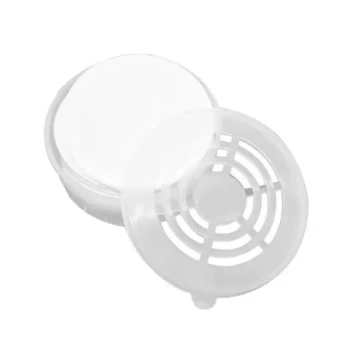
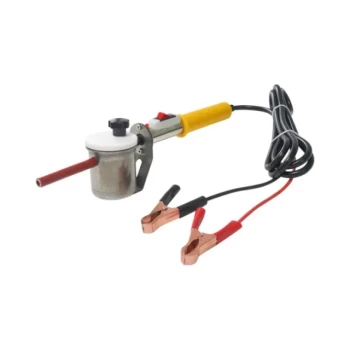
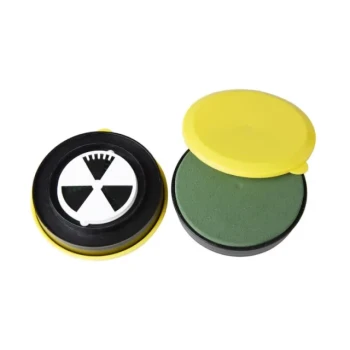
Apiaries use dedicated application equipment, including oxalic acid vaporizers, precision dosing kits, and organic-acid strip applicators. The equipment is intended to deliver an appropriate, repeatable dose while limiting unnecessary exposure to bees, operators, equipment, and products.
All treatments must follow the product label, local regulations, required protective equipment, and any restrictions concerning honey supers or harvest timing.
Integrated control reduces dependence on chemicals
Varroa management is stronger when it combines monitoring, treatment, and genetic or colony-level management. Mite-tolerant or hygienic bee stocks, queen rearing, and requeening can reduce pressure on colonies and may lower reliance on seasonal chemical treatments.
This does not eliminate the need for surveillance. Even resilient stocks require regular monitoring because mite pressure, virus transmission, and local conditions vary.
Standardization protects apiary-wide biosecurity
Commercial operators benefit from consistent treatment protocols, calibrated tools, and clear records. Standardization reduces dosing errors and makes it easier to compare results between yards, seasons, and colony groups.
For distributors and resellers, this creates demand for complete Varroa-control packages rather than isolated products: monitoring boards, application equipment, dosing supplies, protective gear, and replacement consumables.
How Apiaries Protect Stored Comb From Wax Moths
Why stored comb is especially vulnerable
Active colonies can defend comb against wax moths, but stored frames outside the hive are highly exposed. Larvae tunnel through cells, create silk webbing, leave fecal debris, and can damage both wax and wooden frame structures.
Warm, dark, poorly ventilated storage increases the risk. Drawn comb therefore represents a significant inventory asset that requires its own protection program after removal from the hive.
Freezing provides a practical treatment step
Commercial operations may deep-freeze frames before storage to kill wax moth eggs and larvae. The frames are then placed in tightly sealed bags or containers to prevent reinfestation.
Freezing protocols must be validated against the equipment, load size, and target pest stage. A freezer that reaches the required temperature internally—and holds it for the required time—is more reliable than assuming that a frame has frozen simply because it was placed in a cold room.
Cold storage interrupts the pest life cycle
Temperature-controlled storage keeps comb outside the conditions favorable to wax moth development. Cold rooms, freezers, and climate-controlled enclosures can protect frames during winter storage or between honey flows.
Cold storage is most effective when combined with clean frames, good airflow, and protection against re-entry. Temperature records and dependable refrigeration are important for large inventories.
Biological treatments can protect comb
A biological moth treatment containing Bacillus thuringiensis (Bt) may be applied to both sides of comb frames before storage, where permitted by the product label. Bt targets wax moth larvae without introducing the persistent chemical residues associated with some fumigants.
Operators should verify that the specific product is approved for the intended use, follow application directions, and observe any restrictions involving honey, wax, bees, and future food production.
Storage design limits reinfestation
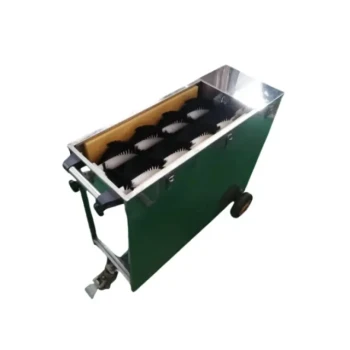
Apiaries use ventilated frame racks, sealed storage containers, fitted hive bodies, and climate-controlled enclosures to protect comb. Secure construction reduces moth entry, while ventilation helps limit humidity buildup.
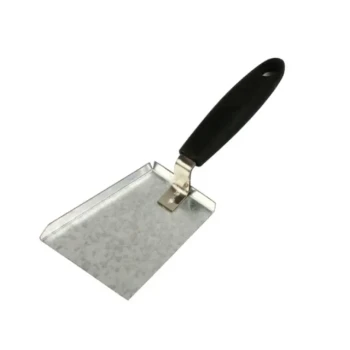
Before storage, frame scrapers and hive tools can remove wax debris, silk webbing, cocoons, and damaged material. Clean inventory is easier to inspect and less likely to conceal an active infestation.
Designing an Integrated Commercial Program
Separate live-colony and stored-comb workflows
Varroa control concerns living colonies and their parasite load. Wax moth control concerns stored comb and the conditions surrounding it.
Keeping the workflows separate helps prevent a common operational mistake: treating stored frames as if they were simply inactive hive components. They are vulnerable inventory and need inspection, preparation, treatment, and storage controls.
Use inspection checkpoints
A practical commercial workflow includes checkpoints before storage, during storage, and before reuse:
- Inspect frames for moth damage, webbing, cocoons, and debris.
- Clean and segregate damaged or suspect inventory.
- Freeze, cool, or apply an approved biological treatment according to the selected protocol.
- Seal or rack frames appropriately to prevent reinfestation.
- Reinspect before returning supers to colonies.
This process is easier to manage when equipment and consumables are available from one coordinated supply channel.
Match hardware to operating scale
Small apiaries may use chest freezers, sealed bags, and basic monitoring boards. Larger operations often require commercial cold storage, dedicated frame racks, treatment equipment, inventory labels, and documented inspection procedures.
The right solution depends on frame volume, storage duration, available power, labor, and regulatory requirements—not simply on the lowest unit price.
Understanding the Trade-offs
Chemical fumigants carry significant risks
Paradichlorobenzene, commonly known as PDB, presents health, residue, and contamination concerns and should not be treated as a default storage solution. It can contaminate wax and create problems for future honey production.
Sulfur-based fumigation also requires careful attention to authorization, sealed-stack procedures, worker safety, ventilation, and complete airing before equipment returns to colonies. Only products and methods approved for the specific jurisdiction and intended use should be considered.
Freezing requires capacity and handling discipline
Freezing is effective only when the entire frame load reaches the required conditions. Large stacks, overloaded freezers, power interruptions, and premature removal can leave eggs or larvae viable.
The trade-off is the need for freezer capacity, energy, handling time, and sealed post-treatment storage.
Repeated chemical treatment can increase pressure
Continuous dependence on Varroa chemicals can increase consumable costs and may contribute to resistance or reduced treatment effectiveness. This is why monitoring, treatment rotation where appropriate, hygienic bee stock, and queen management are important parts of a broader program.
Biological control is not a substitute for inspection
Bt treatments target larvae, but they do not remove the need to inspect stored comb. Infested frames, reinfestation, poor coverage, or unsuitable storage conditions can still compromise inventory.
Biological products also require correct storage, application, and regulatory compliance.
Product claims must be checked carefully
Suppliers should avoid presenting every fumigant, biological treatment, freezer protocol, or acid application method as universally legal or suitable. Labels, approvals, residue rules, and harvest restrictions vary by product and location.
A technically credible supplier provides documentation and application guidance rather than recommending a one-size-fits-all treatment.
How to Apply This to Your Project
Choose the program according to the operation’s dominant risk and purchasing requirements:
- If your primary focus is Varroa control: Build a complete monitor–treat–verify package around sticky boards, screened bottoms, approved treatment tools, precision dosing supplies, protective equipment, and standardized records.
- If your primary focus is stored-comb protection: Combine frame inspection and cleaning with validated freezing or cold storage, approved Bt treatment where appropriate, sealed or ventilated storage equipment, and pre-use inspection.
- If your primary focus is reducing chemical dependence: Add hygienic or mite-tolerant stock management, queen rearing, requeening, and consistent monitoring instead of relying exclusively on repeated chemical applications.
- If your primary focus is commercial sourcing: Work with a supplier that can consolidate monitoring hardware, treatment applicators, consumables, storage equipment, and replacement parts while providing rapid fulfillment and product-compliance support.
A disciplined combination of monitoring, approved treatment, temperature control, and dependable equipment protects both colony productivity and the capital value of drawn comb.
Summary Table:
| Aspect | Varroa Mite Management | Wax Moth Protection |
|---|---|---|
| Primary Focus | Live colonies and parasite load | Stored comb and storage conditions |
| Key Methods | Monitoring with sticky/screened boards, treatment with oxalic acid vaporizers, strips, or other approved products | Freezing, cold storage, Bt treatment, sealed/ventilated storage |
| Equipment | Sticky boards, screened bottom boards, vaporizers, dosing kits | Freezers, cold rooms, sealed containers, frame racks |
| Monitoring | Record mite counts, track treatment efficacy | Inspect for larvae, webbing, debris; clean before storage |
| Biosecurity | Standardized protocols, calibrated tools, genetic management | Clean inventory, prevent reinfestation, climate control |
| Challenges | Chemical resistance, application accuracy, regulatory compliance | Freezer capacity, risk of reinfestation, regulatory limits on fumigants |
Ready to protect your apiary investment? HONESTBEE offers a comprehensive wholesale supply of beekeeping equipment, including Varroa monitoring tools, treatment applicators, freezing and cold storage solutions, and complete comb protection systems. Our dedicated team ensures rapid response, professional guidance, and ultra-fast delivery to keep your operation running smoothly. Whether you need a single component or a full integrated program, we support distributors and commercial beekeepers with OEM/ODM services and reliable supply. Contact us today to discuss your requirements and discover how HONESTBEE can strengthen your pest management strategy.
Related Products
- Heavy Duty 12V Oxalic Acid Evaporator Vaporizer for Bee Varroa Mite Treatment Beekeeping Fumigator Atomizer
- Durable 12V Oxalic Acid Vaporizer for Varroa Mite Treatment Beehive Beekeeping Tool
- Varroa Easy Check Mite Tester Kit Counter Alcohol Wash Jar
- Oxalic Acid Vaporizer 12V for Bee Varroa Mite Treatment
- Compact Circular Bee Mite Treatment Dispenser
People Also Ask
- How can oxalic acid treatment be applied effectively when capped brood is present? Master the 3-Stage Vapor Protocol
- What are the main advantages of using oxalic acid vaporization for Varroa mite control? Achieve 90%+ Efficacy Safely
- What is the process of using an oxalic acid vaporizer? A Step-by-Step Guide to Safe Varroa Control
- How can oxalic acid vaporization be used effectively in a hive that contains brood? Master Multi-Stage Mite Control
- Why is it necessary to control varroa mite infestations? Protect Your Colony with Oxalic Acid Vaporizers