Controlled-environment storage facilities are the primary defense against the chemical and physical degradation of honey during post-harvest logistics. By actively regulating ambient temperature and humidity, these systems stabilize enzymatic activity and prevent the formation of harmful compounds. This ensures the product remains within safe regulatory standards while preserving its status as a high-value functional food.
Core Takeaway Honey is a living, chemically active product that degrades rapidly under improper conditions. Specialized storage infrastructure is essential to halt fermentation and limit Hydroxymethylfurfural (HMF) production, thereby securing regulatory compliance and market value for international export and long-term warehousing.
Preserving Chemical Integrity Through Temperature Control
Limiting HMF Production
The most critical function of controlled storage is the suppression of Hydroxymethylfurfural (HMF).
HMF is a compound that naturally increases over time but spikes rapidly when honey is exposed to heat.
By strictly regulating environmental temperatures, facilities keep HMF levels low, ensuring the honey meets the rigorous quality expectations of international markets.
Protecting Enzymatic Activity
Honey is valued as a functional food largely due to its natural enzymes.
These enzymes are heat-sensitive and biologically active.
Controlled storage ensures these active ingredients remain stable, preventing the loss of nutritional value that occurs in standard, unregulated warehousing.
Preventing Sensory Degradation
Temperature fluctuations can lead to browning and flavor instability.
Consistent thermal regulation maintains the honey's natural color and flavor profile.
This preservation is vital for maintaining the commodity value of high-end honey products.
Managing Moisture and Physical Stability
Countering Hygroscopic Properties
Honey is hygroscopic, meaning it naturally absorbs moisture from the surrounding air.
If left in an unregulated environment, honey will pull in water until it reaches an equilibrium that compromises its quality.
Inhibiting Fermentation
Excessive moisture absorption is the direct cause of fermentation and spoilage.
Controlled humidity environments prevent the water content from rising to levels where yeast can thrive.
This allows for the long-term preservation of honey without the risk of souring or spoilage.
Controlling Crystallization
While crystallization is natural, uncontrolled temperature shifts can lead to "over-crystallizing" or inconsistent textures.
Professional facilities maintain temperatures that manage the rate and type of crystallization.
This ensures the product retains a physical consistency suitable for processing and final sale.
The Role of Infrastructure and Containment
High-Barrier Containment
While the room environment is critical, the container acts as the final line of defense.
Facilities utilize food-grade containers with excellent sealing properties and chemical inertness.
These containers prevent oxidation and isolate the honey from external odors and contaminants.
Enabling Off-Season Strategy
High-standard storage breaks the link between harvest time and sale time.
By stabilizing the honey's physical and chemical properties, producers can hold inventory for off-season sales.
This infrastructure supports complex supply chains, allowing producers to wait for optimal market conditions without risking product quality.
Common Pitfalls to Avoid
Neglecting the Container-Environment Relationship
A controlled room cannot compensate for poor packaging.
Even in a temperature-controlled warehouse, containers with poor seals can allow moisture ingress or oxidation.
High-quality, chemically inert containers are a prerequisite for the storage facility to be effective.
Overlooking Logistics Handoffs
Preservation must be continuous.
A frequent point of failure occurs during transport between storage facilities.
Specialized logistics equipment must be used to maintain temperature control during transit, ensuring the "cold chain" remains unbroken from production to the end consumer.
Making the Right Choice for Your Goal
To maximize the value of your honey inventory, align your storage strategy with your specific market objectives:
- If your primary focus is International Export: Prioritize strict temperature control to keep HMF levels and enzymatic activity within the tight limits required by global regulatory standards.
- If your primary focus is Long-Term Warehousing: Focus on humidity regulation and high-barrier sealing to prevent moisture absorption and fermentation over extended periods.
Effective honey preservation is not just about warehousing; it is the active management of biological and chemical stability to secure commercial value.
Summary Table:
| Preservation Factor | Control Mechanism | Key Benefit |
|---|---|---|
| Temperature | Regulation of ambient heat | Suppresses HMF growth and protects enzymes |
| Humidity | Dehumidification & sealed storage | Prevents moisture absorption and fermentation |
| Physical State | Thermal stability | Manages crystallization and prevents browning |
| Infrastructure | High-barrier containment | Ensures chemical inertness and oxidation protection |
Maximize Your Honey's Commercial Value with HONESTBEE
Preserving the delicate chemical balance of honey requires professional-grade equipment and infrastructure. HONESTBEE empowers commercial apiaries and global distributors by providing a comprehensive suite of solutions tailored for the honey industry.
From high-precision honey-filling machines and specialized hive-making hardware to a full spectrum of durable beekeeping tools and consumables, we ensure your product maintains its premium status from harvest to export. Whether you are scaling up production or optimizing your long-term warehousing strategy, our wholesale offerings are designed to enhance your efficiency and market competitiveness.
Ready to upgrade your honey preservation and processing capabilities?
Contact our honey industry experts today to discover how HONESTBEE can support your growth.
References
- Abiba Cyrille, J. Yabi Afouda. A study on the price setting of honey in Benin and the socio-economic and political influence of the country on beekeeping. DOI: 10.5897/ajar2024.16848
This article is also based on technical information from HonestBee Knowledge Base .
Related Products
- Professional Honey Storage Tank with Agitation System
- Stainless Steel Honey Storage Tank with Lid for Honey
- Stainless Steel Honey Storage and Settling Tank with Double Strainer
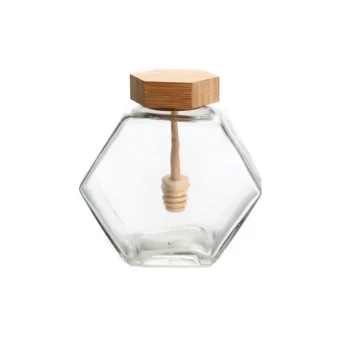
- Hexagonal Glass Honey Jar with Wooden Lid Integrated Dipper Elegant Functional Storage
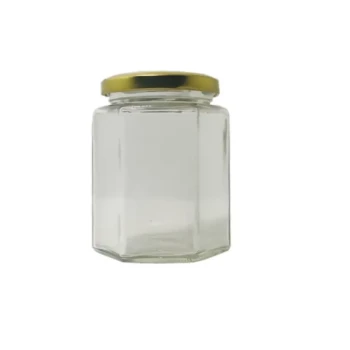
- Hexagonal Glass Honey Jars with Metal Lug Caps Elegant Versatile Packaging
People Also Ask
- What economic role do honey storage tanks play? Boost Your Revenue Through Strategic Inventory Management
- What roles do industrial honey storage tanks and filtration meshes play in processing? Ensure Purity & Consistency
- What is the purpose of a honey storage tank? Streamline Your Honey Processing for Quality & Efficiency
- What are honey storage tanks used for? Essential Features for Quality Preservation and Profit
- How do large honey storage tanks and gravity fall filling systems improve honey packaging efficiency and safety?