Physical control of Small Hive Beetles (SHB) relies on turning the pest's survival instincts into a vulnerability.
Corrugated plastic traps and pitfall traps function by mimicking the narrow crevices beetles seek to escape bee aggression, luring them into a confined space where they are either contained for inspection or killed by a medium like mineral oil. This approach reduces pest populations mechanically, avoiding the need for broad-spectrum chemical pesticides within the hive.
Core Takeaway These devices do not hunt the beetle; they wait for the beetle to hide. By simulating the dark, tight spaces SHB prefer for safety, these traps passively filter pests out of the colony, functioning as both a population control measure and a critical monitoring tool.
The Core Principle: Exploiting Evasion Behavior
The Drive to Hide
Small Hive Beetles possess a biological imperative to seek out dark, narrow crevices. This behavior is a defense mechanism to escape harassment and attacks from guard bees.
The Mechanical Solution
Physical traps are designed with specific gap sizes and apertures. These openings are large enough for beetles to enter but too small for honeybees, effectively separating the pest from the host.
Corrugated Plastic Traps: The Refuge Strategy
Creating Artificial "Safe Zones"
Corrugated plastic traps (often called refuge traps) consist of plastic or cardboard strips with open flutes. They are placed on the bottom board or between frames to simulate natural hive fractures.
Detection and Monitoring
When beetles flee from bees, they retreat into the "tunnels" of the corrugation. This concentrates the beetles in one location, allowing the beekeeper to remove the strip and visually assess infestation levels quickly.
Lethal Application
While often used for monitoring, these traps can be converted into control devices. They may be treated with specific biological agents or bait, or simply removed and frozen to kill the beetles hiding inside.
Pitfall Traps: The Elimination Strategy
Active Trapping via Reservoirs
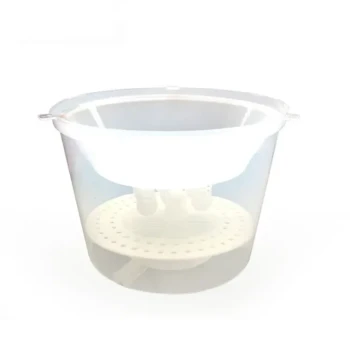
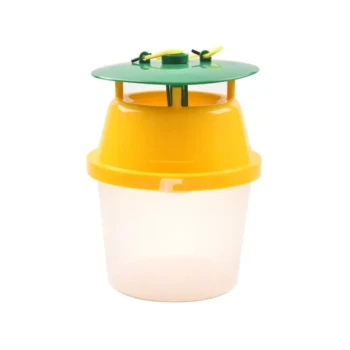
Pitfall traps are rigid containers, often placed between frames or integrated into the bottom board. They contain a reservoir filled with a killing agent, typically food-grade mineral oil, vegetable oil, or vinegar.
The One-Way Door
These traps feature precise gridded lids or slots. The beetles, seeking refuge from bees, crawl through the slots and fall into the liquid reservoir.
Drowning and Containment
Once inside, the oil coats the beetle, preventing escape and causing it to drown. This effectively removes adult beetles from the reproductive cycle without releasing toxins into the hive environment.
Understanding the Trade-offs
Maintenance Requirements
Physical traps are not "set and forget" solutions. Pitfall traps must be checked to ensure they do not overflow or spill oil, which can contaminate the hive.
Limited Scope
These tools target adult beetles, not the larvae that cause slime-outs. While they reduce the breeding population, they must be part of a broader management strategy rather than a standalone cure for severe infestations.
The "Safe Harbor" Risk
If corrugated traps are used without a killing agent and are not inspected regularly, they can inadvertently provide a breeding sanctuary for the beetles rather than a trap.
Making the Right Choice for Your Goal
Physical control is most effective when the tool matches the infestation stage.
- If your primary focus is Early Detection: Use corrugated plastic strips on the bottom board to quickly gauge if beetles are present during routine inspections.
- If your primary focus is Population Reduction: Install oil-filled pitfall traps between the outer frames to actively catch and kill adult beetles seeking refuge.
By integrating these mechanical barriers, you leverage the beetle’s own biology to protect the colony, maintaining a cleaner hive without chemical intervention.
Summary Table:
| Trap Type | Operating Principle | Primary Function | Killing Agent |
|---|---|---|---|
| Corrugated Plastic | Creates artificial crevices/tunnels | Monitoring & Detection | None (Manual removal/Freezing) |
| Pitfall Trap | One-way drop into reservoirs | Population Reduction | Mineral oil, Vegetable oil, or Vinegar |
Maximize Your Apiary Productivity with HONESTBEE
Protecting your colony from Small Hive Beetles is essential for maintaining honey quality and hive health. At HONESTBEE, we specialize in supporting commercial apiaries and distributors with a comprehensive range of high-quality beekeeping tools and industrial machinery.
Whether you need precision-engineered hive-making machines, efficient honey-filling equipment, or a bulk supply of essential consumables and hardware, we provide the wholesale solutions you need to scale your operations.
Ready to elevate your beekeeping business? Contact our expert team today to discover how our professional-grade equipment and global supply chain can benefit your enterprise.
References
- Mulatu Wakgari, Manuel Tejada. Honeybee keeping constraints and future prospects. DOI: 10.1080/23311932.2021.1872192
This article is also based on technical information from HonestBee Knowledge Base .
Related Products
- Reusable Aluminium Beetle Trap for Small Hive Beetles Silver Bullet
- Reusable Clear Small Hive Beetle Traps for Beehives Beetle Trapping Tools
- Removable Washable Hive Beetle Trap Attractants for Small Hive Beetles
- Black Plastic Beetle Barn Hive Beetle Trap for Beehives
- Plastic Beetle Blaster Trap Beekeeping Tools and Supplies
People Also Ask
- How should powdered substances be used in beetle traps for hive beetle control? Expert Guide for Maximum Colony Protection
- Why are beetle traps less effective during winter? Seasonal Shifts in Pest Control Explained
- When is the best time to use small hive beetle traps in cold climates? Protect Your Honeybee Winter Stores Now
- When and how should disposable traps for small hive beetles be removed? Master Hive Hygiene and Efficiency
- How do small hive beetle traps contribute to colony management? Enhance Diagnostic Accuracy and Protect Hive Health