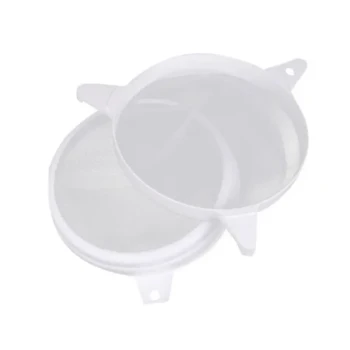
Industrial honey production lines manage Varroa mite challenges by addressing the chemical aftermath of hive treatments rather than the pest itself. Through the integration of multi-stage high-efficiency filtration and sensitive residue detection, these systems identify and remove traces of acaricides—such as fluvalinate or coumaphos—to ensure the final product remains pure and safe for consumption.
While apiaries focus on biological pest control, industrial processing lines act as the final safety firewall. These systems ensure that the chemical agents required to save bees from Varroa mites do not compromise international food safety standards or the brand's reputation.
The Role of Sensitive Residue Detection
Varroa mites are a devastating pest, often requiring beekeepers to use strong chemical treatments to save their hives. The industrial processing line must verify that these treatments do not contaminate the food supply.
Identifying Specific Chemical Agents
Advanced detection equipment is calibrated to spot specific chemical signatures associated with mite treatments.
The primary targets for these systems are residues from fluvalinate and coumaphos. These are common acaricides used in hives, but they can be harmful if they persist in the harvested honey or beeswax.
Meeting International Safety Standards
The detection process is not arbitrary; it is tied to strict regulatory limits.
These systems ensure that every batch meets international food safety standards. This automated vigilance is critical for apiaries and distributors looking to export to markets with zero-tolerance policies for pesticide contamination.
The Function of High-Efficiency Filtration
Once potential contaminants are identified or to prevent physical carriers of residues from passing through, filtration plays a critical role.
Multi-Stage Purification
Industrial lines utilize multi-stage high-efficiency filtration systems.
By passing the honey through successively finer filters, the system physically removes particulate matter. This is essential because residues often adhere to microscopic bits of wax or propolis suspended in the honey.
Safeguarding Brand Reputation
The ultimate goal of filtration and detection is consistency.
By effectively removing chemical residues, producers protect the reputation of commercial apiaries and distributors. A single recall due to Varroa treatment residue can destroy consumer trust, making these systems a vital investment in brand longevity.
Understanding the Trade-offs
While these systems are effective, they present specific operational challenges that producers must manage.
Complexity of Chemical Removal
Detection is highly accurate, but removal is complex.
If residues are dissolved chemically rather than attached to particulates, filtration alone may not suffice. Detection systems may flag a batch for rejection or further processing rather than "cleaning" it in real-time.
Dependence on Equipment Sensitivity
The safety of the final product is entirely dependent on the calibration of the detection equipment.
If the equipment is not maintained to detect the extremely low thresholds required by modern standards, residues may pass through unnoticed. Regular calibration is as critical as the hardware itself.
Ensuring Quality in Commercial Honey Processing
To maximize the effectiveness of these systems, producers must align their technology with their specific market goals.
- If your primary focus is Regulatory Compliance: Prioritize the sensitivity of your residue detection equipment to ensure it can identify trace amounts of fluvalinate and coumaphos below international limits.
- If your primary focus is Product Purity: Invest in robust multi-stage filtration to ensure all particulate matter, which often carries chemical residues, is physically removed from the final product.
Successful Varroa management in the factory relies on rigorous detection and filtration to bridge the gap between hive health and food safety.
Summary Table:
| System Component | Primary Function | Target Contaminants | Key Benefit |
|---|---|---|---|
| Sensitive Residue Detection | Identifies chemical signatures | Fluvalinate, Coumaphos (Acaricides) | Regulatory compliance & export readiness |
| Multi-Stage Filtration | Physically removes particulates | Wax, propolis, and residue carriers | Enhanced product clarity & purity |
| System Calibration | Maintains detection thresholds | Trace chemical residues | Protection against brand-damaging recalls |
Secure Your Honey Purity with HONESTBEE
As a commercial apiary or distributor, maintaining the integrity of your honey despite Varroa mite treatments is critical for global market success. HONESTBEE provides the industry-leading solutions you need to bridge the gap between hive health and food safety.
From advanced honey-filling and processing machinery to specialized beekeeping tools and equipment, our comprehensive wholesale portfolio is designed to enhance your production efficiency. Let us help you safeguard your brand reputation with high-precision systems tailored for industrial-scale operations.
Ready to upgrade your production line? Contact HONESTBEE today to explore our full spectrum of hardware and consumables.
References
- Yoshiko Sakamoto. Latest Information on the Ecology of the Ectoparasitic Mite <i>Varroa destructor</i>(Mesostigmata: Varroidae)and the Resistance of Its Host, Honey Bees(Hymenoptera: Apidae). DOI: 10.1303/jjaez.2021.71
This article is also based on technical information from HonestBee Knowledge Base .
Related Products
- Electric Double Wall Honey Filtering Machine Purifier Equipment for Honey Processing Plant
- Professional Honey Filter with Tripod Support Stand
- Professional Stainless Steel Honey Filter with Support Handle
- Honey Concentrating and Filtering Dehumidifier Machine 2T Capacity for Honey
- Stainless Steel Triangle Support Honey Strainer and Filters
People Also Ask
- What is the process of filtering honey? A Guide to Clean, Pure, and Market-Ready Honey
- What types of equipment are used in honey filtering? Build an Efficient System for Pure, Marketable Honey
- What is the overall importance of using the right equipment in honey filtering? Boost Quality & Marketability
- How should honey filtering equipment be properly maintained? Extend Equipment Life & Protect Honey Purity
- What is a potential concern associated with filtering honey? Balancing Clarity and Pollen Preservation