Form-fitting latex gloves improve honeybee welfare primarily by restoring the beekeeper's tactile sensitivity. Unlike traditional thick gloves, the thin barrier of latex allows you to accurately gauge the force applied during hive manipulations, directly preventing the accidental crushing or killing of bees that occurs with clumsy movements.
The superior dexterity provided by latex gloves transforms inspections from potentially blunt interventions into precise operations. By allowing you to feel the bees rather than just the equipment, you significantly reduce colony stress and unnecessary mortality.
The Mechanics of Gentle Beekeeping
The Importance of Tactile Feedback
Traditional leather or canvas gloves create a sensory disconnect between your hands and the hive. This lack of feedback forces you to rely solely on vision, which is often obstructed by thousands of moving bees.
Form-fitting latex gloves eliminate this barrier. They allow you to feel the resistance of a frame or the presence of a bee under your finger before you apply pressure.
Reducing Accidental Mortality
When you cannot feel what you are touching, "clumsy movements" become inevitable. This often leads to rolling bees between frames or crushing them against the hive walls.
By utilizing high-sensitivity gloves, you can execute movements with precision. This ensures that bees are gently guided out of the way rather than physically harmed during inspections.
Minimizing Colony Stress
Every crushed bee releases alarm pheromones, which alert the rest of the colony to a threat. This triggers a defensive response, raising the stress levels of the entire hive.
By reducing the rate of accidental bee death, you directly lower the colony stress response. A calmer hive is not only healthier but also easier to manage efficiently.
The Hygiene Factor and Pheromones
The Problem with Absorbent Materials
While tactile sensitivity is the primary welfare benefit, hygiene plays a critical supporting role. Traditional leather gloves are porous and difficult to clean thoroughly.
As a result, thick gloves tend to retain alarm pheromones deposited by defensive bees during previous inspections.
Breaking the Cycle of Aggression
Entering a hive with gloves that smell of past attacks triggers an immediate defensive reaction from the bees.
Latex gloves, being disposable or easily washable, do not carry these lingering scents. Starting with clean protective gear prevents unnecessary aggression, facilitating a calmer interaction for both the beekeeper and the bees.
Understanding the Trade-offs
Compromising Personal Protection
It is important to acknowledge that switching to latex involves a sacrifice in personal safety. Latex offers minimal protection against stings compared to thick leather.
The Learning Curve
For new beekeepers, the fear of being stung can result in shaky hands, which may negate the benefits of increased tactile sensitivity.
Durability Concerns
Latex is fragile. Snagging a glove on a hive tool or a sharp edge of a frame can result in tears, leaving the skin entirely exposed.
Making the Right Choice for Your Goal
Selecting the right gear depends on balancing your experience level with your desire for precision.
- If your primary focus is Colony Welfare: Switch to latex or nitrile gloves to maximize dexterity and minimize crushed bees, provided you are comfortable with the risk of stings.
- If your primary focus is Personal Safety: Stick to thick leather gloves, but move with extreme slowness and caution to compensate for the lack of tactile feedback.
- If your primary focus is Hygiene: Use disposable gloves to ensure you never introduce old alarm pheromones into a calm hive.
By prioritizing precision over heavy armor, you foster a symbiotic environment where inspections are less of an intrusion and more of a careful check-up.
Summary Table:
| Feature | Traditional Thick Gloves | Form-Fitting Latex Gloves |
|---|---|---|
| Tactile Sensitivity | Low (blunt movements) | High (precise handling) |
| Bee Mortality | Higher risk of accidental crushing | Minimal risk due to better feel |
| Pheromone Retention | High (absorbs alarm scents) | None (easy to clean/disposable) |
| Colony Stress | Higher (triggers defensive response) | Lower (calmer hive interactions) |
| Sting Protection | Maximum protection | Minimal protection |
| Hygiene | Difficult to sanitize | Easy to wash or replace |
Elevate Your Apiary Management with HONESTBEE
At HONESTBEE, we understand that precision is the key to healthy, productive colonies. Whether you are a commercial apiary focusing on bee welfare or a distributor looking for high-quality supplies, we offer a comprehensive wholesale range designed for professional success. From high-sensitivity protective gear and specialized hive-making machinery to honey-filling equipment and unique honey-themed cultural merchandise, we provide the tools you need to excel.
Ready to scale your beekeeping operations or stock the best equipment in the industry?
Contact us today to explore our full spectrum of beekeeping solutions!
References
- Giovanni Formato, Stefano Palomba. Definition and Identification of Honey Bee Welfare Practices Within the Five Domains Framework for Sustainable Beekeeping. DOI: 10.3390/app142411902
This article is also based on technical information from HonestBee Knowledge Base .
Related Products
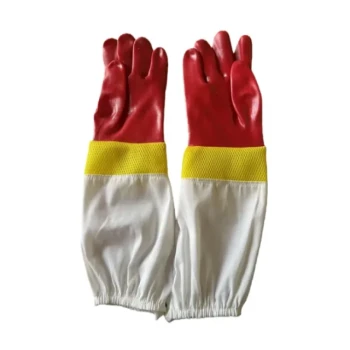
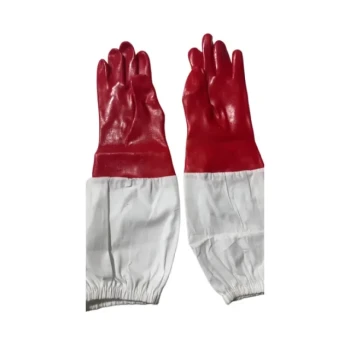
- Heavy Duty Red Rubber Beekeeping Gloves with Vented Mesh Cotton Sleeves
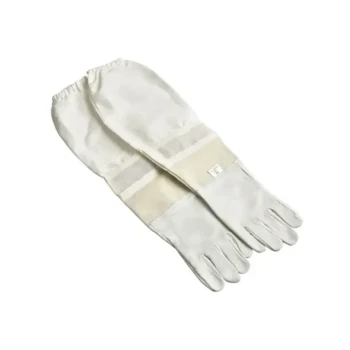
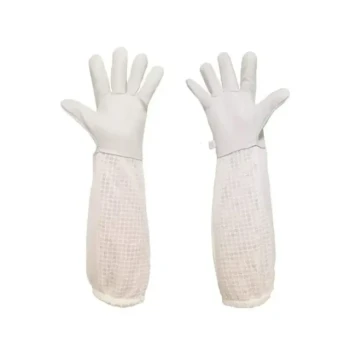
- Beekeeping Gloves Goatskin Leather with Long Cotton Sleeve for Beekeepers
- Heavy Duty Red Rubber Beekeeping Gloves with Extended Pure Cotton Sleeves for Beekeepers
- Goatskin Leather Beekeeper Gloves with Vent Long Sleeve for Beekeeping Honey Bee Sting Proof Protection
- Goat Skin Leather Bee Sting Proof Beekeeping Gloves with Canvas Sleeve
People Also Ask
- What are the differences between cow leather and goat leather for beekeeping gloves? Protection vs. Dexterity
- Why is it important to clean beekeeping gloves regularly? A Guide to Hive Health & Safety
- Which type of beekeeping gloves are the most sting-resistant? Top Protective Gear for Beekeepers
- Why do some experienced beekeepers choose not to wear gloves? For Superior Dexterity & Hive Welfare
- What type of gloves are recommended for beekeeping? Find the Best Fit for Protection & Dexterity