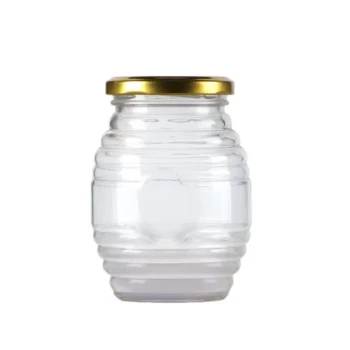
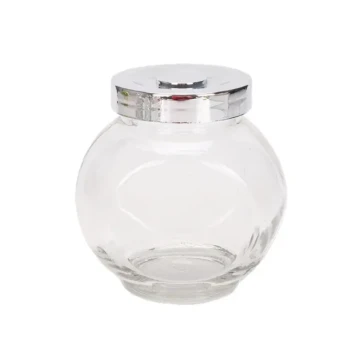
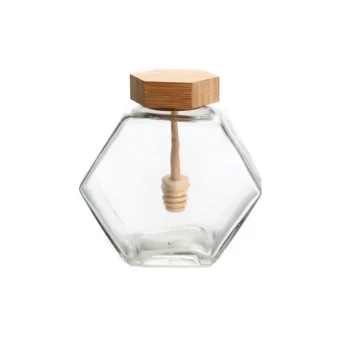
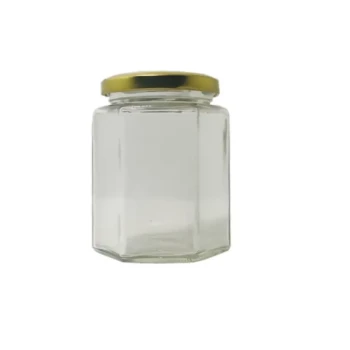
Wide-mouth glass jars with sealing lids function as specialized lethal containers used during the critical sample collection phase of beekeeping morphological studies. Their specific design serves to facilitate the rapid handling of bee specimens while creating an airtight environment for volatile chemical agents to induce sedation and death effectively.
In morphological identification, the quality of the data is defined by the physical condition of the specimen. These jars are essential tools that maintain lethal drug concentrations to ensure rapid knockdown, thereby preserving the original physical characteristics of worker bees and drones for accurate analysis.
The Mechanics of Sample Preservation
Optimizing Collection Efficiency
The wide-mouth design is not merely for convenience; it is a functional requirement for handling volume. It allows researchers to rapidly insert large batches of bees into the container without obstruction.
This design also facilitates the quick removal of specimens once the process is complete. It minimizes physical manipulation, reducing the risk of damaging delicate structures before analysis begins.
Controlling Volatile Agents
The airtight sealing lid is the most critical component for chemical management. Agents typically used in this process, such as ammonia solutions, are highly volatile.
Without a perfect seal, these chemicals would evaporate rapidly. The lid traps the vapors, maintaining a stable and lethal atmosphere inside the jar.
Ensuring Morphological Integrity
The ultimate goal of this apparatus is to preserve the original morphological characteristics of the bee.
The sealing mechanism maintains a sufficient drug concentration to achieve rapid sedation and death within approximately 30 minutes. A slower process could allow bees to damage themselves or others in the jar, compromising the physical traits required for identification.
Operational Considerations
Managing Chemical Efficacy
The effectiveness of this method relies entirely on the integrity of the seal. If the lid is compromised, the concentration of the sedative drops.
This can lead to prolonged agitation of the bees rather than rapid sedation. Consequently, the specimens may suffer physical damage that renders them unsuitable for morphological measurement.
Timing and Workflow
While efficient, this is not an instantaneous process. The standard protocol requires approximately 30 minutes to ensure total sedation and death.
Users must account for this dwell time in their collection workflow to ensure safety and specimen quality. Premature opening of the container risks releasing active specimens and volatile fumes.
Ensuring Data Quality in Collection
To maximize the accuracy of your morphological identification, select your equipment based on the specific constraints of your study environment.
- If your primary focus is processing volume: Prioritize jars with the widest possible openings to streamline the insertion of large batches without bottlenecking.
- If your primary focus is specimen quality: rigorous verification of the lid's sealing capability is paramount to maintain the high drug concentrations needed for rapid, non-destructive preservation.
By strictly controlling the collection environment, you ensure that the physical evidence—the bee itself—remains a reliable source of data.
Summary Table:
| Feature | Functional Purpose | Benefit for Identification |
|---|---|---|
| Wide-Mouth Design | Facilitates rapid batch insertion & removal | Minimizes physical damage to delicate structures |
| Airtight Sealing Lid | Prevents evaporation of volatile agents (e.g., ammonia) | Maintains lethal concentrations for rapid sedation |
| Transparent Glass | Visual monitoring of specimen status | Ensures timing accuracy for the 30-minute workflow |
| Chemical Resistance | Resists corrosion from sedative vapors | Long-term durability and consistent sample purity |
Elevate Your Beekeeping Operations with HONESTBEE
Precise morphological identification starts with the right equipment. HONESTBEE specializes in supporting commercial apiaries and distributors with high-quality, professional-grade tools. From specialized hardware like honey-filling and hive-making machines to essential consumables and beekeeping equipment, we provide the full spectrum of products needed to scale your business.
Whether you are a large-scale distributor or managing extensive commercial colonies, our wholesale solutions are designed to enhance your efficiency and data accuracy.
Ready to optimize your apiary’s performance? Contact us today to discuss your wholesale needs!
References
- Anuarbek Temirbekovich Bissembayev, Aidar Dastanbekuly Baimukanov. Eidonomy of <i>Apis mellifera</i> Workers and Drones in Apiaries. DOI: 10.3844/ojbsci.2023.170.176
This article is also based on technical information from HonestBee Knowledge Base .
Related Products
- Classic Glass Honey Jar with Metal Lug Cap for Beehive Storage
- Classic Round Glass Honey Jar with Lid
- Classic Drum Shaped Glass Honey Jar with Airtight Lid
- Australian Langstroth Beehive Boxes for Beekeeping Wholesales
- Plastic Transporting Bee Packages and Nuc Boxes for Beekeeping
People Also Ask
- What are the benefits of glass jars regarding strength and safety for storing honey? Ensure Purity and Long-Term Quality
- What are the advantages of using glass jars for honey storage? Ensure Purity and Premium Appeal for Your Product
- What are the benefits of using high-transparency Glass Jars for honey? Elevate Purity and Premium Branding
- What is the aesthetic appeal of using glass jars for honey? Elevate Your Brand with Premium Packaging
- Which container is best for storing honey? Preserve Purity & Flavor with the Right Choice