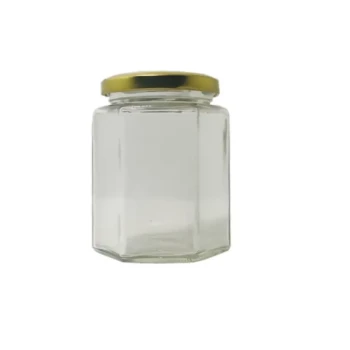
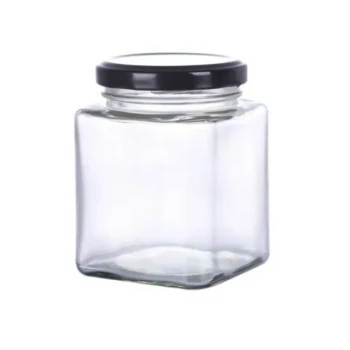
Glass jars serve as the definitive standard for honey storage because they offer a chemically inert environment that maintains the product's integrity. While other materials may suffice for short-term handling, glass is unique in its ability to retain honey’s original taste, texture, and nutrient composition without degradation over time.
The Core Insight Honey is a biologically active, acidic substance that can react with its container. Glass is the preferred storage method because it is non-reactive and provides a superior airtight barrier, ensuring the honey never absorbs external moisture, odors, or chemical contaminants.
The Chemistry of Preservation
Why does the material of the jar matter so much for a natural sweetener? The answer lies in the chemical interaction between the food and the vessel.
Chemical Inertness
Honey is naturally acidic. Unlike plastic or metal, glass is chemically inert, meaning it will not react with these acidic components.
This prevents the migration of impurities from the container into the honey.
By eliminating these reactions, glass preserves critical physicochemical indicators, such as enzyme activity and Hydroxymethylfurfural (HMF) levels, ensuring the honey remains chemically identical to when it was harvested.
Elimination of Leaching
Plastic containers, particularly when exposed to temperature fluctuations, risk leaching chemicals or plasticizers into food products.
Glass is non-toxic and impermeable.
This eliminates the risk of chemical migration, ensuring the honey remains safe for consumption and free from foreign substances.
Controlling the Physical Environment
Beyond chemistry, the physical barrier provided by the container is vital for maintaining texture and preventing spoilage.
The Moisture Barrier
Honey is hygroscopic, meaning it naturally absorbs moisture from the air. If the water content rises too high, the honey can ferment.
Glass jars typically offer a superior airtight seal compared to other materials.
This seal prevents the absorption of environmental moisture and blocks external odors that could alter the honey's distinct flavor profile.
Temperature Resilience
Honey often crystallizes and requires gentle heating to return to a liquid state.
Glass is highly heat-resistant and maintains its structural integrity during this process.
It effectively protects the honey during temperature extremes without warping or degrading, a common issue with plastic containers.
Visual and Light Considerations
The optical properties of glass play a dual role in storage, affecting both consumer perception and biological preservation.
Transparency and Inspection
Clear glass allows for immediate visual inspection of the product's color and texture.
This transparency builds trust, allowing consumers to verify the quality of the honey before purchase.
It shortens the psychological distance between the producer and the consumer by showcasing the product's natural state.
The Role of Dark Glass
While clear glass is excellent for display, dark or amber glass offers functional benefits for long-term preservation.
Dark glass shields the honey from light, reducing photochemical reactions.
This protection prevents the degradation of light-sensitive enzymes and antioxidant components, which is critical for preserving honey with medicinal properties.
Understanding the Trade-offs
While glass is the technical superior choice for quality, it presents logistical challenges that must be managed.
Fragility and Weight
Glass is significantly heavier than plastic, which increases shipping costs and carbon footprint during transport.
It is also brittle; breakage during handling or thermal shock (rapid temperature changes) is a distinct risk that requires careful packaging.
UV Exposure in Clear Containers
While clear glass is preferred for aesthetics, it offers zero protection against UV light.
If stored in direct sunlight, clear glass allows light to degrade the honey’s enzymatic activity faster than opaque containers would.
Making the Right Choice for Your Goal
Selecting the specific type of glass depends on whether your priority is retail appeal or maximum biological preservation.
- If your primary focus is Retail Sales: Choose clear glass to allow customers to visually inspect the color and texture, capitalizing on the appetite appeal of the natural product.
- If your primary focus is Long-Term Preservation: Choose dark or amber glass to block light, thereby protecting sensitive enzymes and antioxidants from degradation.
- If your primary focus is Laboratory Analysis: Choose sterile glass to ensure that any measured changes in pH or HMF are due to the honey's internal evolution, not external contamination.
By using glass, you ensure that the honey on the shelf remains exactly as nature intended: pure, potent, and safe.
Summary Table:
| Feature | Glass Jars | Plastic Containers |
|---|---|---|
| Chemical Reactivity | Inert (No leaching) | Risk of chemical migration |
| Airtight Seal | Superior (Prevents fermentation) | Moderate to Low |
| Heat Resistance | High (Safe for decrystallization) | Low (Deformation risk) |
| Transparency | High (Builds consumer trust) | Variable (Can cloud over time) |
| Enzyme Protection | Excellent (Especially dark glass) | Moderate |
| Durability | Fragile / Heavy | Durable / Lightweight |
Elevate Your Honey Brand with HONESTBEE
Are you a commercial apiary or distributor looking to deliver the highest quality honey to your customers? HONESTBEE specializes in providing the comprehensive tools and equipment needed to maintain product integrity from hive to jar.
We offer a complete spectrum of beekeeping solutions, including:
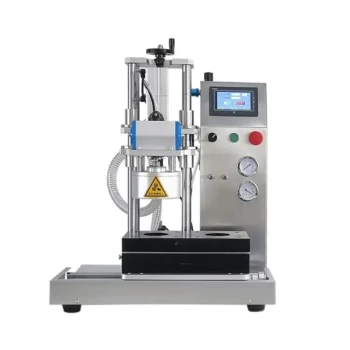
- Advanced Machinery: Precise honey-filling machines designed for glass containers.
- Wholesale Equipment: A full range of beekeeping tools and hive-making machinery.
- Industry Consumables: Everything required for large-scale apiary management.
Whether you need specialized hardware or honey-themed cultural merchandise to enhance your retail presence, we provide the expertise and wholesale support your business deserves.
Ready to scale your production? Contact us today to discover how HONESTBEE can optimize your honey storage and distribution workflow.
Related Products
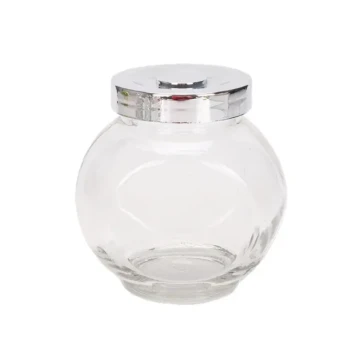
- Classic Drum Shaped Glass Honey Jar with Airtight Lid
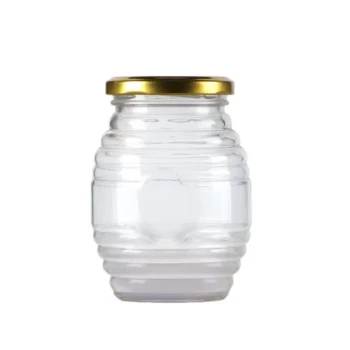
- Classic Glass Honey Jar with Metal Lug Cap for Beehive Storage
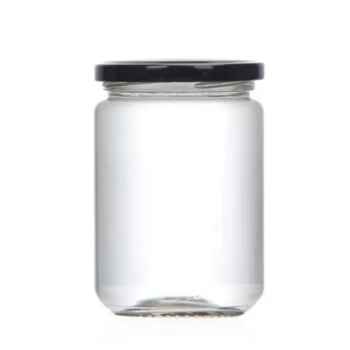
- Classic Round Glass Honey Jar with Lid
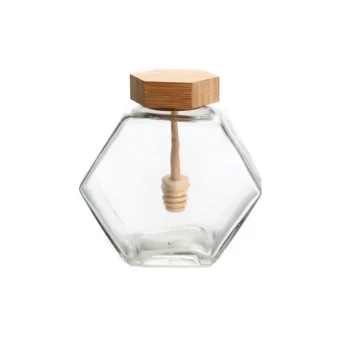
- Hexagonal Glass Honey Jar with Wooden Lid Integrated Dipper Elegant Functional Storage
- Hexagonal Glass Honey Jars with Metal Lug Caps Elegant Versatile Packaging
People Also Ask
- What is the best utensil to store honey? Preserve Purity with the Right Container
- How does the appearance of glass jar packaging affect the sales and perception of honey? Boost Your Premium Brand Value
- Why is a glass jar preferred for packaging honey? Ultimate Protection for Purity & Flavor
- What is the aesthetic appeal of using glass jars for honey? Elevate Your Brand with Premium Packaging
- What are the advantages of glass containers for honey? Elevate Quality and Market Value with Premium Packaging