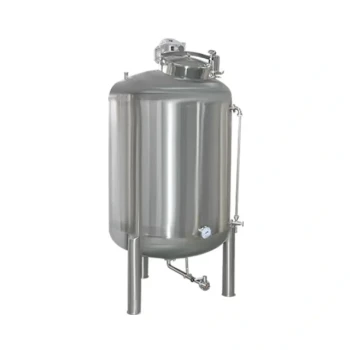
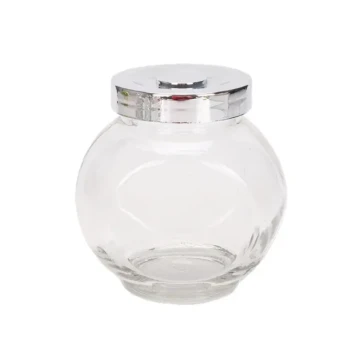
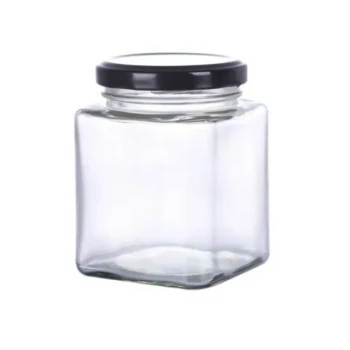
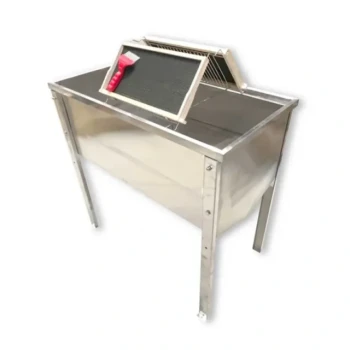
High-quality, well-sealed storage containers function as the critical control mechanism that allows stingless bee honey to mature rather than spoil. By providing a stable, isolated environment over a period of several months, these containers enable beneficial physicochemical changes—specifically a reduction in moisture content and a significant increase in antioxidant and flavonoid concentrations—turning the honey into a high-value functional food.
The Core Insight While often viewed merely as packaging, the container is actually an active participant in the value creation process. It stabilizes the honey’s naturally high water content, allowing a controlled internal transformation that enhances medicinal properties and economic value while preventing uncontrolled fermentation.
The Mechanism of Natural Aging
Creating a Stable Chemical Environment
For stingless bee honey to age beneficially, it requires a static environment free from external fluctuations.
High-quality containers provide the necessary isolation that allows the honey to undergo natural physicochemical changes over several months.
Enhancing Bioactive Compounds
The primary benefit of this controlled aging process is the chemical enrichment of the honey.
Inside the sealed container, the concentration of key bioactive compounds—specifically antioxidants and flavonoids—increases, significantly boosting the honey's health benefits and medicinal potential.
Moisture Regulation
Unlike standard honey, stingless bee honey naturally possesses a high water content.
During the aging process within these containers, the honey experiences a natural reduction in moisture content, which helps stabilize the product and concentrate its nutrients.
The Protective Role of the Container
Preventing Uncontrolled Fermentation
Because of its unique chemical composition and high moisture, stingless bee honey is highly susceptible to rapid, unwanted fermentation.
A hermetic (airtight) seal is non-negotiable; it prevents the absorption of external atmospheric moisture which would trigger spoilage rather than aging.
Maintaining Hygienic Integrity
The aging process can only occur if the biological load inside the container is controlled.
High-standard sterile packaging eliminates the need for chemical preservatives by physically blocking microbial contamination sources that would otherwise degrade the honey during the long aging period.
Understanding the Trade-offs
The Fragility of the Process
The line between beneficial aging and spoilage in stingless bee honey is incredibly thin due to its high moisture content.
If a container lacks a perfect seal or proper sterilization, the "aging" process will almost immediately turn into degradation or microbial contamination.
Light and Temperature Sensitivity
While the primary reference focuses on sealing, supplementary data suggests that aging is not just about the container's seal, but its opacity and thermal properties.
Bioactive components are sensitive to light; therefore, containers often require auxiliary protection (like aluminum foil barriers) or specific temperature controls (such as 4°C storage) to prevent photochemical degradation during the aging timeline.
Making the Right Choice for Your Goal
To maximize the value of stingless bee honey, select your storage strategy based on your specific objective:
- If your primary focus is increasing medicinal value: Prioritize containers with absolute hermetic sealing to facilitate the months-long aging process that boosts flavonoid and antioxidant levels.
- If your primary focus is commercial shelf-life: Utilize sterile, standardized packaging (such as 750ml bottles) to prevent fermentation and ensure consistent market presentation without preservatives.
Effective aging converts a raw agricultural product into a premium functional food, but only if the container guarantees total environmental isolation.
Summary Table:
| Aging Factor | Role of High-Quality Container | Impact on Honey Quality |
|---|---|---|
| Moisture Control | Provides hermetic seal to prevent atmospheric absorption | Reduces water content and stabilizes the product |
| Bioactive Compounds | Maintains static environment for chemical maturation | Increases concentrations of antioxidants and flavonoids |
| Microbial Safety | Ensures sterile isolation from external contaminants | Prevents spoilage and uncontrolled fermentation |
| Medicinal Value | Facilitates long-term physicochemical changes | Transforms raw honey into a high-value functional food |
Elevate Your Honey Production with HONESTBEE
At HONESTBEE, we understand that for commercial apiaries and distributors, the right equipment is the difference between spoilage and a premium harvest. We provide a comprehensive range of beekeeping tools, specialized machinery, and sterile storage solutions designed to protect the integrity of your stingless bee honey.
From advanced honey-filling machines to durable hardware and essential consumables, our portfolio supports every stage of your operation. Contact us today to discover how our wholesale offerings can enhance your efficiency and help you deliver high-value functional foods to your customers.
References
- Akhmat Rizkuna, Fandini Melia Anjani. Stingless Bee (Trigona sp.) Beekeeping as an Alternative Economic Source to Support Community Food Security in Lempake, Samarinda. DOI: 10.62383/jkm.v2i2.1443
This article is also based on technical information from HonestBee Knowledge Base .
Related Products
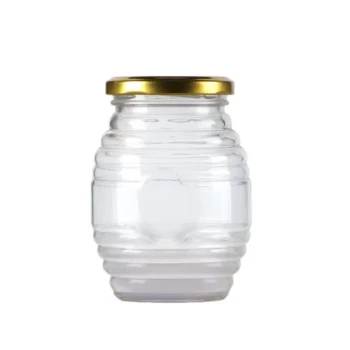
- Classic Glass Honey Jar with Metal Lug Cap for Beehive Storage
- Stainless Steel Honey Storage and Settling Tank with Double Strainer
- Stainless Steel Honey Storage Tank with Lid for Honey
- Stainless Steel Honey Tank Stand for Honey Storage
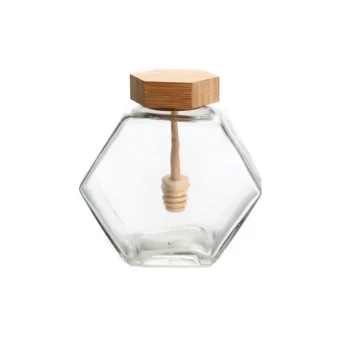
- Hexagonal Glass Honey Jar with Wooden Lid Integrated Dipper Elegant Functional Storage
People Also Ask
- What are the benefits of glass jars regarding strength and safety for storing honey? Ensure Purity and Long-Term Quality
- What are the advantages of using glass jars for honey storage? Ensure Purity and Premium Appeal for Your Product
- What are the benefits of using high-transparency Glass Jars for honey? Elevate Purity and Premium Branding
- What is the aesthetic appeal of using glass jars for honey? Elevate Your Brand with Premium Packaging
- Which container is best for storing honey? Preserve Purity & Flavor with the Right Choice