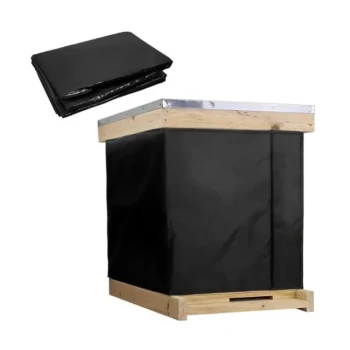
High thermal resistance side wraps and insulated top pads function as a critical defense system against environmental stress in honeybee colonies. These tools work in tandem to minimize heat loss through the hive walls and roof, while simultaneously preventing the accumulation of dangerous moisture. This creates a stable microclimate that reduces the biological energy required for the colony to survive severe winter conditions.
By stabilizing the hive's internal temperature and humidity, these insulation methods reduce the biological stress on the bee cluster, directly improving their ability to survive winter with fewer resources.
Preserving the Colony's Energy Reserves
Minimizing Heat Loss
The primary function of high thermal resistance side wraps is to act as a barrier against the cold. By wrapping the hive, you significantly reduce the rate at which heat escapes through the wooden walls.
This retention is vital because the bee cluster relies on its own body heat for survival. Keeping this heat inside the hive structure allows the colony to maintain its core temperature more efficiently.
Lowering Metabolic Consumption
When a hive is poorly insulated, bees must consume more food to generate heat. High-quality insulation directly impacts the colony's metabolic rate.
With side wraps and top pads in place, the bees require lower metabolic energy to stay warm. This conservation preserves vital honey stores, ensuring the colony has enough food to last through the winter.
Managing the Internal Environment
Preventing Condensation
Insulated top pads play a specific, critical role in moisture management. In uninsulated hives, warm moist air from the bees hits the cold inner cover, turning into freezing water droplets.
Top insulation keeps the upper surface of the hive warm, preventing this condensation. This stops cold water from dripping back down onto the cluster, a scenario that is often fatal to honeybees in freezing temperatures.
Creating a Controlled Microclimate
Together, side wraps and top pads stabilize the internal environment. They transform the hive from a drafty box into a controlled microclimate.
This stability shields the cluster from rapid fluctuations in outside temperature. It allows the bees to focus their energy on the cluster rather than fighting the immediate environment.
Understanding the Contextual Limits
Climate Severity Matters
While these tools are powerful, the primary reference highlights their necessity specifically in severe cold climates.
In mild winters, the return on investment for high thermal resistance equipment may be lower. The effectiveness of these tools is directly correlated to the intensity of the cold stress the colony faces.
Strategic Application for Hive Health
To effectively protect your apiary, align your equipment choices with your specific objectives.
- If your primary focus is Increasing Survival Rates: Implement both side wraps and top pads in severe climates to prevent fatal freezing and condensation events.
- If your primary focus is Resource Conservation: Use high thermal resistance wraps to lower the bees' metabolic burn rate, preserving honey stores for the critical early spring period.
Proper insulation transforms overwintering from a struggle for survival into a manageable period of dormancy.
Summary Table:
| Insulation Component | Primary Function | Key Benefit for Colony |
|---|---|---|
| High Thermal Side Wraps | Reduces heat escape through hive walls | Lowers metabolic energy consumption and food use |
| Insulated Top Pads | Prevents moisture condensation on the roof | Stops fatal cold-water dripping on the bee cluster |
| Combined System | Creates a stable microclimate | Shields the cluster from rapid temperature fluctuations |
Maximize Your Apiary's Winter Survival with HONESTBEE
Protecting your honeybee colonies from extreme environmental stress requires more than basic gear—it demands professional-grade insulation solutions. HONESTBEE provides commercial apiaries and distributors with high-performance beekeeping tools, specialized machinery, and essential consumables designed for efficiency and durability.
From hive-making equipment to thermal protection systems, our comprehensive wholesale offering is built to support large-scale operations and ensure your bees thrive through the harshest seasons. Partner with us to scale your business and safeguard your colonies.
Contact us today to explore our wholesale equipment catalog and enhance your apiary’s productivity!
References
- Sarah C. Wood, Elemir Simko. Chronic High-Dose Neonicotinoid Exposure Decreases Overwinter Survival of Apis mellifera L.. DOI: 10.3390/insects11010030
This article is also based on technical information from HonestBee Knowledge Base .
Related Products
- Professional Insulated Winter Hive Wrap for Beekeeping
- Professional Insulated Plastic Bee Hives
- Inner Beehive Cover for Beekeeping Bee Hive Inner Cover
- Stainless Steel Round Beehive Air Vents for Ventilation
- Metal Hive Feet Bee Hive Stand for Ant Protection
People Also Ask
- What are the steps to properly wrap a beehive for winter? Ensure Your Colony Survives the Cold
- When is the best time to wrap a beehive for winter? A Guide to Perfect Winterization Timing
- How do professional insulation wraps provide protection for bee colonies? Optimize Winter Survival & Energy Efficiency
- What are the technical benefits of using winter wraps for beehive insulation? Boost Colony Survival & Hive Health
- What are the benefits of using insulated covers for hives? Ensure Colony Survival and Health