Hive frames equipped with square inch scale grids operate as precision measurement tools that transform visual estimates into hard data. By overlaying a standardized grid onto the honeycomb, technicians can count specific squares filled with capped brood to calculate the exact total area. This process converts subjective observations of colony strength into precise metrics, specifically enabling the evaluation of how supplementary feeding influences queen egg-laying and larval development.
By translating irregular biological patterns into standardized geometric units, these tools bridge the gap between casual observation and scientific management. This quantification eliminates estimation errors, providing the objective data necessary to assess reproductive capabilities and the efficacy of nutritional strategies.
Transforming Observations into Data
To truly understand colony development, beekeepers must move beyond qualitative descriptors like "strong" or "weak." Grid frames provide the mechanism to make this shift.
The Mechanics of Measurement
The tool functions by placing a wired or wooden frame over the existing honeycomb. This frame features a grid calibrated to a specific unit, in this case, a 1.0 square inch scale.
Technicians visually scan the frame and count the number of grid squares occupied by specific hive elements. This simple physical overlay converts organic, irregular shapes into linear, calculable data points.
Eliminating Estimation Bias
Without a grid, assessing a colony's growth is a guessing game subject to human error. A colony may appear busy, but actual brood production could be stalling.
The square inch grid removes this ambiguity. It creates a standardized constraint that forces the observer to tally actual coverage rather than estimating percentages, ensuring that data remains consistent across different hives and inspection times.
Key Metrics for Colony Assessment
While the grid can measure various aspects of the hive, its primary value lies in quantifying reproductive success and nutritional uptake.
Quantifying Capped Brood
The most critical metric derived from these frames is the area of capped brood. This measurement serves as a direct proxy for the colony's future workforce and the queen's current performance.
By tracking the number of square inches of sealed brood, you can calculate precise proliferation rates. This identifies whether a colony is expanding, stagnating, or contracting with mathematical certainty.
Evaluating Nutritional Strategies
The primary reference highlights the specific application of this tool in assessing supplementary feeding.
When a beekeeper introduces pollen patties or syrup, the goal is to stimulate growth. Grid frames allow you to measure the exact increase in brood area following the feeding. This validates whether the investment in nutrition is translating into tangible larval development.
Understanding the Trade-offs
While grid frames offer superior accuracy, they introduce specific operational considerations that must be weighed against their benefits.
operational Efficiency vs. Data Granularity
Using a grid frame is significantly more time-intensive than a standard visual inspection. It requires removing frames, positioning the grid, and performing a manual count.
For large-scale commercial operations, this level of detail may be impractical for every hive. It is often best reserved for specific test groups or struggling colonies that require diagnosis.
Standardization of Units
While your specific tool uses a square inch grid, supplementary data indicates that other standards exist (e.g., 2 cm² or 25 cm² grids).
It is critical to maintain consistency in your equipment. Mixing grid standards within a single dataset will corrupt your proliferation rate calculations and make historical comparisons impossible.
Making the Right Choice for Your Goal
To maximize the value of square inch grid frames, align their use with your specific management objectives.
- If your primary focus is Queen Performance: Use the grid to track the capped brood area weekly; a consistent decline in occupied square inches often signals queen failure before the colony population visibly drops.
- If your primary focus is Nutrition Management: Establish a baseline brood measurement before feeding, then re-measure at fixed intervals to determine the precise Return on Investment (ROI) of your supplementary feed.
Adopting this measurement method moves your apiary management from an art based on intuition to a science based on verifiable evidence.
Summary Table:
| Metric | Standard Inspection | Grid Frame Measurement |
|---|---|---|
| Data Type | Qualitative (Subjective) | Quantitative (Objective) |
| Accuracy | High margin for estimation bias | High precision via standardized units |
| Brood Assessment | Visual percentage estimation | Exact square inch count of capped brood |
| Feed ROI | Anecdotal observation | Measured growth after supplementary feeding |
| Best Use Case | Routine commercial maintenance | Research, queen breeding, and diagnostics |
Maximize Your Apiary Productivity with HONESTBEE
Transition from intuition to evidence-based management with high-precision tools. HONESTBEE provides commercial apiaries and distributors with a comprehensive wholesale range of professional beekeeping solutions. From precision hive frames and specialized hardware to honey-filling machines and industrial consumables, we empower your business to achieve mathematical certainty in colony development.
Partner with HONESTBEE to scale your operations efficiently. Contact our expert team today to discuss how our specialized equipment can enhance your productivity and bottom line.
References
- Amer I. Tawfik, Adham M. Moustafa. Influence of winter feeding on colony development and the antioxidant system of the honey bee, <i>Apis mellifera</i>. DOI: 10.1080/00218839.2020.1752456
This article is also based on technical information from HonestBee Knowledge Base .
Related Products
- Wooden Bee Hive Frames for Beekeeping and Wholesale
- Plastic Bee Frame Beekeeping Hive Frames for Wholesale
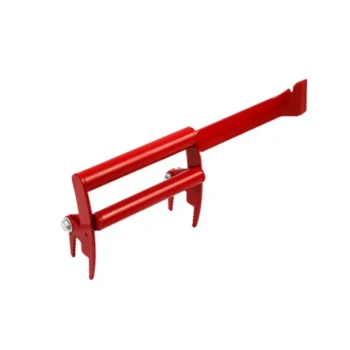
- Heavy-Duty Lever-Action Frame Grip with Hive Tool
- Durable Plastic Frame Spacer
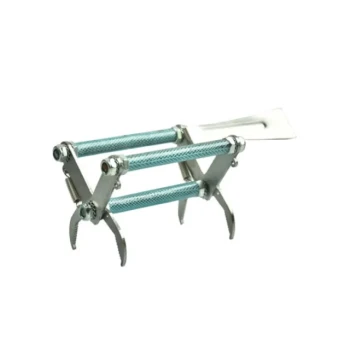
- Professional 3-Bar Frame Grip with Integrated Hive Tool
People Also Ask
- How does balancing the number of frames impact hive productivity? Optimize Your Apiary's Biological Output
- How do wooden and plastic hive frames compare in terms of durability? Wood vs. Plastic Longevity & Repairability
- What are the main considerations when choosing between wooden and plastic bee hive frames? Optimize Your Apiary's Efficiency
- How should beehive frames be maintained to prolong their lifespan? 5 Pro Tips for Durable Beekeeping Equipment
- What is the primary function of frames within a beehive system? Structural Foundation and Hive Management