Professional honey extraction and filtration systems serve as critical quality control checkpoints in commercial production. They ensure honey is harvested only when biochemical markers, such as proline levels and moisture content, indicate full maturity. By utilizing mechanical separation and high-efficiency consumables, these systems remove physical contaminants while actively preserving the bioactive compounds that define authentic honey.
Modern processing equipment does more than simply bottle the product; it verifies that the honey has been fully ripened by the bees and safeguards against adulteration. Through precise mechanical separation, producers can guarantee a product that meets strict international standards for biochemical maturity and physical purity.
The Science of Maturity Verification
Processing equipment plays a vital role in confirming that honey has been harvested at the correct biological stage.
Monitoring Biochemical Markers
True maturity is not just about time; it is about chemistry. Advanced extraction protocols rely on specific indicators, most notably proline content.
Proline is a predominant amino acid found in honey, serving as a key marker of ripeness. Professional equipment ensures processing only occurs when these biochemical standards are met.
Regulating Moisture Content
Honey harvested too early often contains excess water, leading to fermentation and spoilage.
Modern extraction systems are designed to handle honey that has been fully ripened by bees. This ensures the moisture content remains within the narrow limits required for commercial stability and export standards.
Achieving Absolute Purity
Beyond maturity, the commercial viability of honey depends on its physical purity. Mechanical systems achieve this without resorting to chemical additives.
Centrifugal Separation
Industrial-grade extractors utilize high-speed centrifugal force to separate liquid honey from the comb.
Unlike manual squeezing, this physical method minimizes the introduction of wax and structural debris into the liquid. It preserves the integrity of the honeycomb, allowing it to be reused, which saves the bees energy and increases future yields.
Multi-Stage Filtration
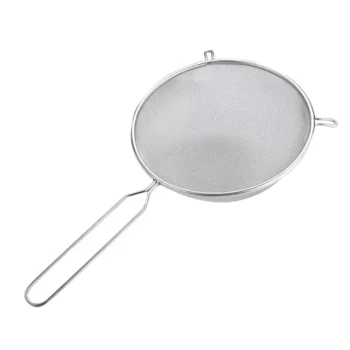
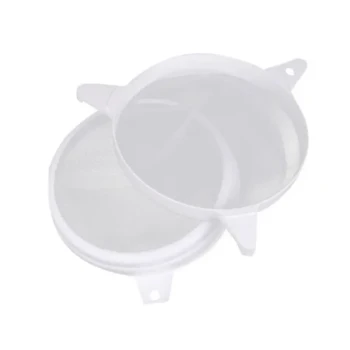
Once extracted, the honey passes through high-efficiency filtration consumables.
This process removes physical impurities such as wax debris, pollen clusters, and insect parts. Crucially, this is done while preserving essential bioactive components, ensuring the honey retains its nutritional value and natural flavor profile.
Preventing Contamination
Professional equipment is constructed from food-grade materials, typically stainless steel.
This material selection prevents metallic impurities from leaching into the product. It also eliminates the risk of contamination from mechanical lubricants, ensuring the final product meets organic and premium market hygiene standards.
Understanding the Trade-offs
While technology enhances quality, improper use of extraction and filtration equipment can compromise the product.
The Balance of Temperature
Advanced equipment often uses temperature controls to facilitate flow. However, excessive heat is the enemy of raw honey.
Overheating during extraction or filtration can denature active enzymes and destroy natural aromas. Operators must maintain precise temperature thresholds to ensure the honey remains "raw" and bioactive.
Filtration vs. Ultra-Filtration
There is a fine line between cleaning honey and stripping it.
Standard filtration removes visible impurities. However, aggressive ultra-filtration can remove all microscopic pollen grains. This not only strips nutritional value but can also make it difficult to trace the honey's botanical origin, potentially raising red flags regarding adulteration in export markets.
Making the Right Choice for Your Goal
Selecting the right processing workflow depends on your specific market objectives.
- If your primary focus is Export Compliance: Prioritize systems with rigorous moisture control and material safety to ensure biochemical markers meet international standards.
- If your primary focus is Organic Certification: Ensure your equipment utilizes food-grade stainless steel and mechanical separation that avoids all contact with non-food-grade lubricants.
- If your primary focus is Brand Integrity: Focus on precise filtration settings that remove debris for visual clarity without stripping the pollen required for botanical origin verification.
Technology bridges the gap between the beehive and the bottle, ensuring safety without sacrificing nature.
Summary Table:
| Feature | Quality Control Function | Key Benefit |
|---|---|---|
| Centrifugal Extraction | Mechanical separation of honey from comb | Minimizes wax debris while preserving comb integrity |
| Moisture Regulation | Monitoring ripeness markers (Proline) | Prevents fermentation and ensures export stability |
| Multi-Stage Filtration | Physical impurity removal | Removes wax and debris without stripping bioactive pollen |
| Stainless Steel Build | Food-grade material contact | Prevents metallic contamination and maintains hygiene |
| Temperature Control | Flow facilitation at safe thresholds | Protects heat-sensitive enzymes and natural aromas |
Elevate Your Honey Quality with HONESTBEE Solutions
As a dedicated partner to commercial apiaries and global distributors, HONESTBEE understands that purity is the foundation of your brand. We provide a comprehensive wholesale range of professional beekeeping tools, from high-precision honey-filling and hive-making machines to essential high-efficiency consumables.
Our equipment is engineered to safeguard biochemical markers and ensure your product meets the strictest international standards. Whether you are scaling up for export or seeking to maintain organic certification, our specialized hardware delivers the reliability your business demands.
Ready to optimize your production? Contact us today to discover how our wholesale machinery and industry expertise can enhance your commercial yield and market reputation.
References
- Prem Lal Uniyal, Ekta Chaudhary. Studies on floral sources, phenolic, flavonoid, proline contents and antioxidant capacity of honey from the Khirsoo area of Pauri, Uttarakhand, India. DOI: 10.56093/ijas.v88i10.84216
This article is also based on technical information from HonestBee Knowledge Base .
Related Products
- Electric Double Wall Honey Filtering Machine Purifier Equipment for Honey Processing Plant
- Honey Concentrating and Filtering Dehumidifier Machine 2T Capacity for Honey
- Stainless Steel Triangle Support Honey Strainer and Filters
- Professional Stainless Steel Honey Filter with Support Handle
- Professional Stainless Steel Honey Filtering Machine with Water Bath Heating for Beekeeping
People Also Ask
- What types of equipment are used in honey filtering? Build an Efficient System for Pure, Marketable Honey
- What is the process of filtering honey? A Guide to Clean, Pure, and Market-Ready Honey
- What is the overall importance of using the right equipment in honey filtering? Boost Quality & Marketability
- What are the benefits of drying honey filtering equipment after use? Protect Your Honey Quality & Equipment Investment
- How should honey filtering equipment be properly maintained? Extend Equipment Life & Protect Honey Purity