The quality of the final honey product is a direct result of the precision used during harvesting, filtration, and storage. These phases determine the color, texture, flavor, and shelf stability of the honey. For distributors and wholesalers, these processes are the difference between a high-value, shelf-stable commodity and a product prone to fermentation or crystallization.
Effective honey processing bridges the gap between raw hive characteristics and the standardized quality required for global retail. By utilizing professional extraction and filtration, producers ensure a clear, pure product that maintains its nutritional integrity while meeting strict food safety standards.
The Impact of Harvesting and Extraction on Purity
Preservation of Hive Characteristics
The timing of the harvest is the first factor that determines the honey's sensory profile. Extracting at the peak of nectar flow ensures that the original color, texture, and taste of the specific floral source are preserved.
Centrifugal Extraction vs. Contamination
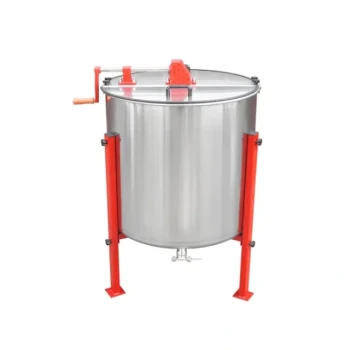
Professional centrifugal honey extractors allow for efficient removal without damaging the honeycomb structure. This physical method significantly reduces bacterial contamination and prevents the introduction of impurities that occur with more invasive harvesting techniques.
Minimizing Colony Stress
Using specialized tools like bee smokers and professional extractors minimizes stress reactions within the colony. This careful handling preserves the natural purity and nutritional value of the honey from the very start of the supply chain.
Filtration as a Driver of Commercial Value
Achieving Optical Clarity
Modern filtration equipment uses specialized mesh to intercept beeswax fragments, bee remains, and environmental debris. This process results in a clear, transparent appearance that meets the high sensory expectations of premium market consumers.
Extending Liquid Shelf Life
Filtration removes the solid particles that act as "seeds" for premature crystallization. By eliminating these catalysts, processors extend the liquid shelf life, ensuring the product remains visually appealing on retail shelves for longer periods.
Standardization for Formal Retail
Standardized filtration ensures that every batch meets modern food safety standards. For B2B resellers, this consistency is vital for maintaining brand reputation and ensuring that products are ready for formal retail distribution.
Stability Through Moisture and Temperature Control
Moisture Reduction and Preservation
Controlled heat treatment is used to reduce moisture content, which is the primary defense against fermentation. Lowering moisture levels enhances the honey’s preservative capabilities and improves overall shelf stability during long-distance transport.
Maintaining Bioactive Integrity
While heat is necessary for stability, it must be monitored to protect physicochemical indicators. Keeping HMF levels low and preserving enzymes like diastase ensures the honey retains its status as a "living" health product.
Stabilization for High-End Markets
By stabilizing the moisture and removing organic impurities, processors prevent spoilage and fermentation. This results in a product that can command a higher market premium and satisfy the requirements of high-end trade partners.
Understanding the Trade-offs
Heat vs. Nutritional Value
The most significant trade-off in honey processing is between stability and nutrition. Excessive heat makes honey easier to filter and bottle quickly, but it can inactivate beneficial enzymes and darken the color, potentially lowering the grade of the honey.
Filtration vs. Natural Pollen Content
Ultra-fine filtration creates a crystal-clear product but may remove natural pollen grains. While this improves transparency and delays crystallization, some niche markets prefer "unfiltered" honey for its perceived raw benefits, despite the shorter liquid shelf life.
How to Optimize Your Sourcing Strategy
Making the Right Choice for Your Goal
As a distributor or wholesaler, your choice of product should align with your specific market's demands and your logistical capabilities.
- If your primary focus is rapid order fulfillment and retail consistency: Prioritize honey processed with modern centrifugal extraction and fine filtration to ensure a long, stable shelf life.
- If your primary focus is high-end, "raw" market positioning: Seek suppliers who utilize low-heat processing and coarse filtration to maintain the highest possible enzyme activity and natural pollen counts.
- If your primary focus is global export and long-distance shipping: Ensure the honey has undergone standardized moisture control to prevent fermentation during transit across varying climates.
Expert processing transforms a variable natural resource into a reliable, high-performance product ready for the global stage.
Summary Table:
| Process Phase | Key Impact on Honey | Commercial Value & Benefit |
|---|---|---|
| Harvesting | Preserves floral flavor, color, and texture | Ensures original purity and high-grade sensory profile. |
| Centrifugal Extraction | Minimizes bacterial contamination | Protects honeycomb structure and maintains hygiene standards. |
| Filtration | Removes debris; achieves optical clarity | Extends liquid shelf life by delaying crystallization. |
| Moisture Control | Reduces moisture to prevent fermentation | Ensures stability during long-distance global transport. |
| Temperature Control | Protects enzymes and keeps HMF levels low | Maintains "living" health properties for premium markets. |
Partner with HONESTBEE for Professional Honey Processing Solutions
Are you looking to scale your commercial apiary or streamline your wholesale supply chain? HONESTBEE is your dedicated partner, providing a comprehensive one-stop sourcing experience for distributors and B2B resellers worldwide.
Why Choose HONESTBEE?
- Full-Spectrum Portfolio: From hive-making and honey-filling machinery to specialized beekeeping tools and cultural merchandise.
- B2B Growth Support: We offer competitive wholesale pricing, OEM/ODM support, and deep industry expertise to maximize your profit margins.
- Rapid Fulfillment: Benefit from our ultra-fast delivery, efficient order fulfillment, and exceptional customer service.
Take your honey business to the next level with equipment designed for precision and durability. Contact HONESTBEE Today to discuss your wholesale requirements!
Related Products
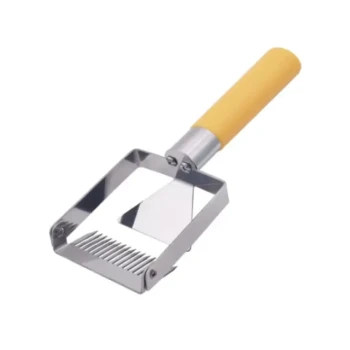
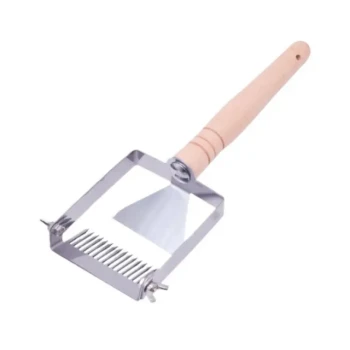
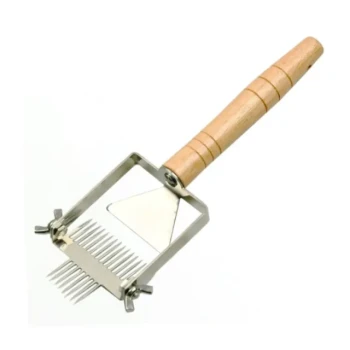
- All-Stainless Steel Pivoting Honey Uncapping Fork for Beekeeping
- Stainless Steel Pivoting Honey Uncapping Fork with Plastic Handle
- 6 Frame Manual Stainless Steel Honey Extractor Beekeeping Equipment
- Electric 8 Frame Honey Spinner Extractor Equipment for Beekeeping
- HONESTBEE 2 Frame Manual Acrylic Honey Extractor Beekeeping Equipment
People Also Ask
- How does a honey uncapping fork supplement the use of an uncapping knife? Boost Your Honey Yield and Extraction Efficiency
- What is the design purpose of honey uncapping forks and honey uncapping tanks? Maximize Your Harvest Efficiency
- What are the essential tools for uncapping honey frames? Choose the Right Tool for Your Apiary
- What are the tools used for uncapping honeycombs? Expert Guide to Tools & Functions for Maximum Yield
- What is the primary function of specialized honey uncapping tools? Maximize Your Extraction Yield and Efficiency