Improved beehive protection mechanisms operate through a multi-layered defense strategy of physical exclusion, stress mitigation, and intelligent monitoring. By utilizing precise size-based barriers and "buffer zone" hardware, these systems prevent Asian hornets (Vespa velutina) from entering the hive while reducing the paralyzing "hawking" pressure that stops bees from foraging. This integrated approach ensures the colony maintains the core population and winter stores necessary for long-term survival.
Modern hornet defense relies on a combination of mechanical size-exclusion and psychological stress reduction to protect the hive’s biological integrity. For distributors, offering a comprehensive suite of these tools—ranging from passive baffles to automated sensors—is essential to meeting the urgent demands of commercial apiarists.
The Mechanics of Physical Exclusion
Precision Entrance Restrictors and Baffles
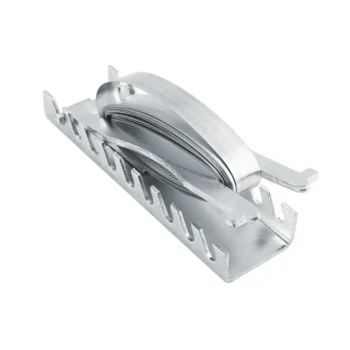
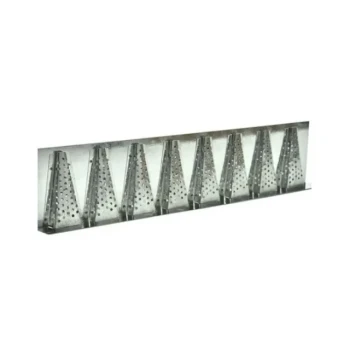
Physical barriers like queen excluders and narrow entrance baffles leverage the anatomical size difference between honeybees and the larger Asian hornet. These devices effectively "filter" traffic, allowing workers to pass while mechanically blocking the predator from entering the brood chamber.
Anti-Hornet Nets and Defense Guards
Protective nets and guards create a high-security perimeter at the hive’s most vulnerable point. By restricting the hornets' ability to land or enter, these tools prevent them from plundering honey or destroying larval combs, which are critical for colony regeneration.
Concentrated Defensive Zones
By narrowing the entrance, these mechanisms allow guard bees to concentrate their defensive efforts at a single, manageable point. This increases the colony's natural ability to repel intruders, as the guard force no longer has to patrol a wide, exposed opening.
Mitigating Stress and Foraging Disruptions
The Buffer Zone Effect of Hive Muzzles
Hive muzzles act as mechanical consumables that create a protective buffer between the hive entrance and the open air. This physical extension alters the flight paths of the honeybees, making it more difficult for hornets to execute a direct strike on returning foragers.
Reducing "Hawking" Pressure
When hornets hover at an entrance—a behavior known as hawking—it causes acute stress that can lead to colony collapse through "foraging paralysis." Protection mechanisms disrupt this visual pressure, encouraging the colony to maintain normal production rhythms and adequate overwintering stores.
Preserving Colony Vitality
By reducing the success rate of hornet hunting, these tools prevent the rapid decline of the core population. Maintaining this vitality is essential for commercial beekeepers who require consistent pollination and honey production throughout the season.
Intelligent Defense and Early Warning Systems
Sensor-Based Monitoring Systems
Advanced systems utilize sound pulse frequencies and environmental sensors to detect the specific presence of predatory threats. These automated devices can alert beekeepers remotely or activate active deterrents, providing a vital layer of safety during vulnerable stages like mating flights.
Induction-Kill Mechanisms and Traps
Specialized traps use induction-kill mechanisms to establish a security perimeter around the apiary. By intercepting hornets before they reach the hives, these devices reduce the overall predator density in the local environment, offering a proactive rather than reactive defense.
Understanding the Trade-offs
Impact on Honeybee Traffic
While narrow entrances provide security, they can also cause congestion during peak nectar flows. This traffic jam may slightly reduce the efficiency of honey collection if the restrictors are not properly scaled to the colony size.
Maintenance and Cleaning Requirements
Passive defense tools like nets and muzzles require regular inspection to ensure they do not become clogged with debris or dead drones. Failure to maintain these barriers can accidentally trap bees inside or prevent the natural removal of hive waste.
Limitations Against Non-Physical Threats
Physical barriers are highly effective against hornets but do not protect against microscopic threats like Varroa mites or diseases. A truly robust apiary management strategy must combine hardware defense with comprehensive biological health protocols.
Making the Right Choice for Your Goal
As a distributor or wholesaler, providing the correct tool depends on the specific pressure levels and technical capabilities of your end-users. Our deep industry expertise allows us to provide a full-spectrum portfolio that meets these diverse needs with rapid fulfillment.
- If your primary focus is immediate predator exclusion in high-pressure areas: Recommend precision entrance baffles and anti-hornet nets to provide an instant physical barrier.
- If your primary focus is reducing colony stress and foraging paralysis: Focus on hive muzzles and buffer zone equipment to disrupt the hornet's "hawking" behavior.
- If your primary focus is large-scale apiary management and automation: Suggest sensor-based monitoring and induction-kill traps for remote oversight and proactive predator reduction.
The strategic deployment of these advanced mechanisms transforms a vulnerable hive into a fortified production unit, ensuring biological safety and commercial profitability.
Summary Table:
| Protection Mechanism | Core Function | Key Benefit |
|---|---|---|
| Physical Baffles | Size-based mechanical filtering | Prevents predator entry into the brood chamber. |
| Hive Muzzles | Creates a protective buffer zone | Reduces 'hawking' stress and foraging paralysis. |
| Smart Sensors | Acoustic and frequency monitoring | Provides early warning and remote apiary oversight. |
| Induction Traps | Proactive perimeter defense | Lowers local predator density before hive contact. |
Empower Your Distribution Network with HONESTBEE
Are you looking to provide your clients with the industry’s most effective hornet defense and beekeeping solutions? As a premier B2B partner, HONESTBEE specializes in catering to distributors and commercial apiaries with a comprehensive one-stop sourcing experience.
Our full-spectrum portfolio includes everything from specialized hardware like hive-making and honey-filling machinery to high-demand consumables and anti-hornet tools. By partnering with us, you benefit from:
- Deep Industry Expertise: Professional guidance on product selection and market trends.
- Rapid Fulfillment: Ultra-fast delivery times to keep your supply chain moving.
- Premium Service: Dedicated support focused on maximizing your profit margins and reliability.
Ready to scale your business with professional-grade equipment?
Contact Our Wholesale Team Today
References
- V. Fursov, R. Kreshun. The spread of the invasive species, the Asian hornet Vespa velutina (Hymenoptera: Vespidae) in Europe and the possibility of its spread in Ukraine as a real threat to beekeeping industry. DOI: 10.32846/2306-9716/2025.eco.5-62.2.12
This article is also based on technical information from HonestBee Knowledge Base .
Related Products
- Metal Hive Feet Bee Hive Stand for Ant Protection
- High Security Emlock Strap System
- Steel Round Disc Entrance Reducer for Flexzion Bee Hive Nuc Box Gate
- Professional Reversible Beehive Hive Entrance
- Stainless Steel Round Beehive Air Vents for Ventilation
People Also Ask
- What are the benefits of elevating a bee hive with a stand or base? Protect Your Colony and Your Back
- How does a beehive stand protect against predators and pests? Essential Strategies for Colony Security
- How should the height of a beehive stand be determined? Find Your Ergonomic Sweet Spot
- What to stand a beehive on? The Best Foundation for a Healthy, Manageable Apiary
- How do beehive stands and ground installation methods affect beekeeping productivity in extreme climates? Maximize Yields