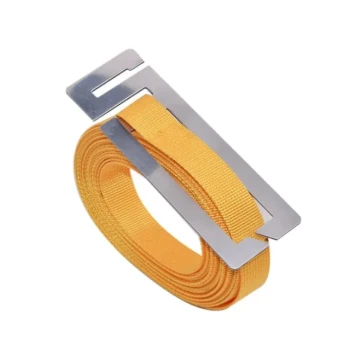
Industrial-grade chemical treatment strips operate through contact-based elimination. These devices utilize a slow-release active ingredient embedded within a plastic matrix, strategically positioned in areas where Small Hive Beetles (SHB) naturally congregate, such as the hive bottom board. When adult beetles physically touch these strips, the pesticide kills them, effectively halting the colonization process and preserving the hive's integrity.
By targeting adult beetles at specific congregation points with slow-release toxicants, these strips disrupt the reproductive lifecycle before larval damage occurs, safeguarding the colony's structural integrity.
The Mechanics of Targeted Control
Strategic Placement for Maximum Effect
Small Hive Beetles do not distribute themselves evenly throughout a hive; they tend to cluster in specific zones.
Industrial strips take advantage of this behavior by being placed in these high-traffic areas, particularly the hive bottom board.
This targeted placement ensures the toxicant is available exactly where the pest is most vulnerable, rather than contaminating the entire hive environment.
The Slow-Release Delivery System
The strips are engineered as a slow-release mechanism.
Rather than delivering a single, high-concentration dose that dissipates quickly, the plastic matrix releases the active ingredient consistently over time.
This provides a durable layer of protection that remains lethal to beetles entering the "controlled environment" long after the initial installation.
Breaking the Reproductive Cycle
The ultimate goal of using these strips is not merely to kill individual bugs, but to stop population growth.
By killing adult beetles upon contact, the treatment prevents them from laying eggs.
This disruption of the reproductive cycle serves as a critical barrier, significantly reducing the colonization rate and preventing the devastating larval damage that compromises colony structure.
Understanding the Limitations
Dependence on Physical Contact
It is critical to understand that these strips are contact-based tools.
The beetle must physically touch the plastic pesticide strip for the treatment to be effective.
If beetles find refuge in areas of the hive where strips are not present, they may evade control, emphasizing the need for precise placement.
Requirement for a Controlled Environment
The effectiveness of these strips relies on maintaining a controlled environment.
Improper usage or placement outside of key congregation zones will reduce their efficacy as a "core consumable."
Operators must ensure the strips remain free of debris and accessible to the beetles to maintain the safety standards required for the colony.
Making the Right Choice for Your Goal
To effectively manage Small Hive Beetle populations, align your usage with your specific objectives:
- If your primary focus is immediate population reduction: Place strips strictly on the bottom board or areas where you visually confirm beetle congregation to ensure contact.
- If your primary focus is long-term colony stability: Rely on the slow-release nature of the strips to continuously suppress the reproductive cycle and prevent new generations from establishing.
Integrating these treatment strips effectively is a fundamental step in ensuring the long-term structural health and safety of your apiary.
Summary Table:
| Feature | Mechanism | Benefit |
|---|---|---|
| Delivery Method | Slow-release plastic matrix | Provides durable, long-term protection |
| Application Zone | Hive bottom board placement | Targets SHB where they naturally congregate |
| Action Type | Contact-based elimination | Kills adult beetles before they can lay eggs |
| Primary Goal | Reproductive cycle disruption | Prevents larval damage and colony collapse |
Scale Your Apiary Success with HONESTBEE
Managing Small Hive Beetle infestations requires professional-grade solutions that prioritize colony health. HONESTBEE specializes in supporting commercial apiaries and distributors with a comprehensive wholesale range of beekeeping tools, specialized machinery, and essential consumables.
From industrial-grade treatment strips to hive-making and honey-filling machines, we provide the hardware and expertise needed to optimize your operations. Contact us today to discover how our tailored supply chain solutions can enhance your efficiency and protect your bees.
References
- Michel Kokkinis. Small hive beetle [SHB], Aethina tumida. DOI: 10.12681/jhvms.15083
This article is also based on technical information from HonestBee Knowledge Base .
Related Products
- Removable Washable Hive Beetle Trap Attractants for Small Hive Beetles
- Plastic Beetle Blaster Trap Beekeeping Tools and Supplies
- Reusable Clear Small Hive Beetle Traps for Beehives Beetle Trapping Tools
- Reusable Aluminium Beetle Trap for Small Hive Beetles Silver Bullet
- Black Plastic Beetle Barn Hive Beetle Trap for Beehives
People Also Ask
- How should powdered substances be used in beetle traps for hive beetle control? Expert Guide for Maximum Colony Protection
- What are the three main types of hive beetle traps? Expert Solutions for Protecting Your Bee Colonies
- What are the types of hive beetle traps available? Master Your Beetle Control Strategy
- What are the main types of hive beetle traps available? A Beekeeper's Guide to Effective Control
- What are the available chemical-free options for trapping hive beetles? Safe and Effective Pest Management Solutions