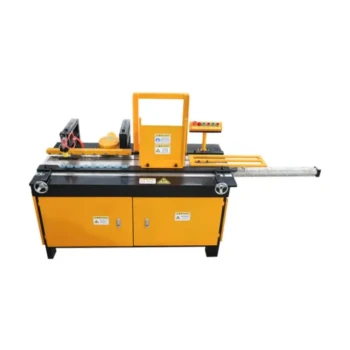
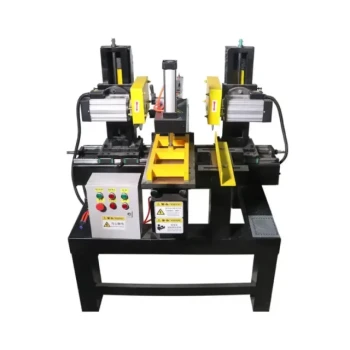
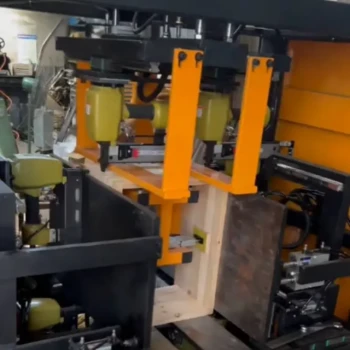
Industrial-grade hive-making machines support large-scale pollination services by strictly enforcing standardization. Through high-precision automated processing, these machines produce hive components with uniform specifications. This uniformity is the critical enabler for managing thousands of colonies, allowing for compatible stacking during transport, integration with automated harvesting systems, and the efficient, scalable deployment of bees to agricultural sites.
Core Takeaway The true value of industrial hive-making machinery is not just manufacturing speed, but the creation of universal compatibility. By eliminating physical variations between hive components, these machines create a standardized infrastructure that allows beekeepers to transport, manage, and deploy thousands of colonies simultaneously with industrial efficiency.
The Foundation of Scale: Precision and Standardization
To understand how machinery supports pollination, you must look at the logistical challenges of managing a commercial apiary. Large-scale pollination is less about biology and more about materials handling.
Eliminating Component Variance
Manual or low-grade hive construction results in slight variations in dimensions. In a backyard apiary, this is negligible.
However, when managing thousands of hives, these small variances compound into massive logistical failures. Industrial machines produce components with exact tolerances. This ensures that every box, frame, and lid is interchangeable, removing the need for custom fitting in the field.
Enabling Automation Integration
Standardization is the prerequisite for downstream automation.
Because machine-made hives have identical dimensions, they integrate seamlessly with automated honey harvesting systems and mechanized handling hardware. This allows operators to process hives in bulk rather than individually, drastically reducing the labor hours required per colony.
Optimizing Logistics for Cross-Regional Operations
Pollination services are mobile; bees must be moved to crops during specific flowering windows. Industrial hive-making machines solve the physical problems associated with mass transit.
Streamlined Stacking and Transport
The primary reference highlights that standardization is essential for compatibility during transportation.
Uniform equipment dimensions allow hives to be stacked perfectly on heavy-duty trailers and pallets. There are no gaps or uneven surfaces. This maximizes the volume of hives that can be transported in a single trip, directly impacting the profitability and coverage of the pollination service.
Reducing Transit Stress
Stable, interlocking stacks significantly reduce mechanical vibrations during long-distance travel.
Supplementary data indicates that minimizing vibration reduces physical stress on the bees. A hive that fits together perfectly provides a stable internal environment. This ensures the colony arrives at the pollination site healthy and active, ready to perform frequent pollination activities immediately.
Driving Operational Efficiency
Beyond logistics, industrial manufacturing changes the economics of expanding an apiary.
Lowering Barriers to Expansion
Automated machines reduce the marginal cost of producing new hive units.
When a pollination contract requires a rapid increase in colony numbers, beekeepers can produce the necessary hardware quickly and affordably. This capability allows operations to scale up to meet strict agricultural timing requirements without being bottled up by supply chain shortages.
Facilitating Rapid Management Protocols
Standardized equipment enables standardized labor.
When every hive is physically identical, management processes—such as pheromone treatments and nutritional supplementation—can be executed using uniform protocols. This reduces the cognitive load on workers and increases the speed of service, allowing a smaller team to manage a larger number of hives effectively.
Understanding the Trade-offs
While industrial hive-making machines offer immense benefits for scale, they introduce specific challenges that must be managed.
High Initial Capital Investment
Implementing industrial-grade machinery requires significant upfront capital. While references suggest a potential capital recovery period of approximately two years, this initial barrier to entry can be prohibitive for smaller operations trying to transition to commercial scales.
Rigidity in Design
High-precision machines are designed for mass production of specific standards.
This offers less flexibility if unique, localized hive modifications are required for specific micro-climates. The focus is on macro-efficiency rather than micro-customization, which compels the beekeeper to adapt their management style to the equipment, rather than the other way around.
Making the Right Choice for Your Goal
How you leverage this technology depends on the specific bottleneck in your current operation.
- If your primary focus is Logistics and Mobility: Prioritize machines that guarantee tight tolerances for interlocking parts to maximize stack stability and reduce transport vibration.
- If your primary focus is Rapid Business Expansion: Focus on the machine’s throughput volume to lower the marginal cost per unit, allowing for faster fleet growth.
Industrial-grade hive making is the bridge between traditional beekeeping and modern agricultural demands, turning the beehive from a craft object into a standardized logistical unit.
Summary Table:
| Feature | Impact on Large-Scale Pollination | Operational Benefit |
|---|---|---|
| High Precision | Identical tolerances for every component | Universal interchangeability of frames/boxes |
| Standardization | Perfect interlocking and stacking | Maximized transport volume and stack stability |
| High Throughput | Rapid production of new hive units | Faster response to large pollination contracts |
| System Integration | Compatibility with automated harvesters | Drastic reduction in labor hours per colony |
| Stress Reduction | Minimized vibration during transit | Higher bee survival and immediate pollination activity |
Scaling Your Commercial Apiary? Partner with HONESTBEE
Transitioning to industrial-scale pollination requires more than just bees—it requires a standardized, high-efficiency infrastructure. HONESTBEE specializes in empowering commercial apiaries and distributors with the tools needed for global competition.
Our Value to Your Business:
- Precision Machinery: Industrial-grade hive-making and honey-filling machines designed for high-volume, standardized production.
- Comprehensive Supply: From specialized beekeeping hardware to essential industry consumables and honey-themed cultural merchandise.
- Wholesale Advantage: Full-spectrum equipment offerings tailored for large-scale operations and distribution networks.
Ready to eliminate logistical bottlenecks and maximize your operational efficiency? Contact us today to explore our wholesale solutions.
References
- Peter G. Kevan, Randolf Menzel. The plight of pollination and the interface of neurobiology, ecology and food security. DOI: 10.1007/s10669-012-9394-5
This article is also based on technical information from HonestBee Knowledge Base .
Related Products
- High-Efficiency Pneumatic Bee Hive Making Machine for Rapid Box Assembly
- Beehive Handle and Frame Rest Cutting Machine: Your Specialized Hive Machine
- Beehive Machine Double End Saw for Precision Hive Component Manufacturing
- Mini Desktop Bee Hive Frame Forming Making Machine
- Automatic High-Speed Bee Hive Box Stapling Machine
People Also Ask
- How does the introduction of professional beehive-making machinery benefit sustainable beekeeping? Scale Your Apiary
- Why is specialized beehive-making machinery critical for low-defense breeding? Enhance Selection with Precision Tools
- How does the introduction of specialized beehive making machinery contribute to increasing the scale of regional beekeeping industries?
- What is the importance of specialized beehive making machinery in a circular bio-economy? Build Local Sustainability
- Why is specialized beehive-making machinery essential? Scale Your Apiary with Precision Industrial Standards