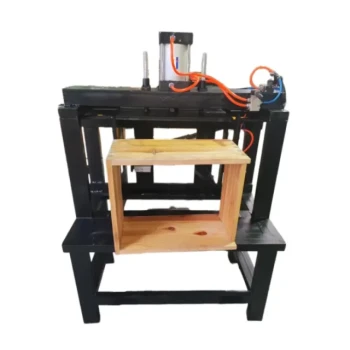
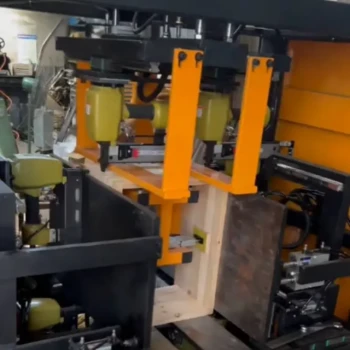
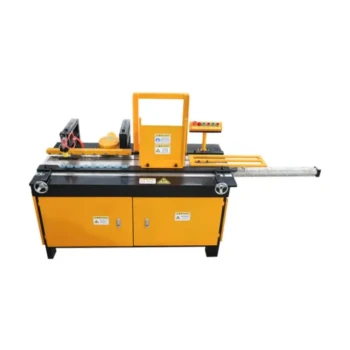
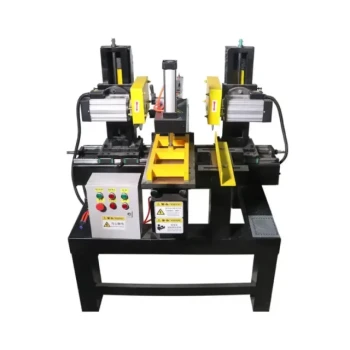
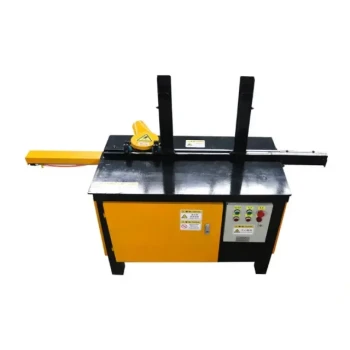
Specialized beehive making machinery acts as the critical technological bridge between raw regional resources and sustainable agricultural output. Its primary function is to convert local timber into standardized, durable beehives, effectively transforming raw materials into the essential tools required for high-quality honey production and ecological pollination.
By enabling the local manufacturing of precision equipment, this machinery anchors a circular economy where regional timber directly supports the bee environment, ensuring both biological consistency and economic self-sufficiency.
Transforming Local Resources into Assets
The core value of this machinery lies in its ability to close the loop between forestry and agriculture.
Valorizing Regional Timber
Rather than relying on imported equipment, specialized machinery allows a region to utilize its own timber resources. This processes local raw materials into high-value production tools, retaining economic value within the immediate community.
Creating a Consistent Bee Environment
Bees thrive in stable, predictable conditions. The primary reference highlights that this equipment ensures the physical consistency of the hive. This consistency provides the necessary foundation for colony health and, by extension, reliable pollination services.
Reducing Reliance on External Supply Chains
By producing hives locally, beekeepers are insulated from global supply chain disruptions. The machinery empowers a region to become self-reliant, turning local wood into the infrastructure of the honey industry.
Scaling Production and Efficiency
While the primary goal is a circular economy, the mechanism for achieving this is high-precision engineering.
Precision and Standardization
According to supplementary data, these machines utilize high-efficiency cutting technologies to ensure interchangeability of parts. This structural stability is difficult to achieve with manual labor but is critical for modern apiary management.
Rapid Response to Market Demand
Mechanization significantly reduces the manufacturing cycle and labor costs per unit. This allows practitioners to quickly expand their operations, increasing raw production capacity to meet market spikes without being bottlenecked by equipment shortages.
Understanding the Trade-offs
Adopting specialized machinery is a significant step that comes with inherent challenges.
High Initial Capital Expenditure
While the machinery reduces labor costs over time, the upfront investment is substantial. Small-scale regional cooperatives may need to pool resources to afford the technology that individual beekeepers cannot justify alone.
Requirement for Technical Expertise
Moving from manual construction to automated machinery shifts the skill requirement. Operators must be trained in maintaining and calibrating complex equipment; without this technical knowledge, production quality can suffer.
Material Specificity
Not all local timber is suitable for high-speed machining. There is a risk that the machinery may require specific wood grades that are not abundant locally, potentially forcing a return to imported materials if the local forestry cannot support the standard.
Making the Right Choice for Your Goal
To integrate this machinery effectively into a regional bio-economy, consider your specific objectives:
- If your primary focus is Ecological Sustainability: Prioritize machinery adaptable to various local timber species to minimize the carbon footprint of transporting raw materials.
- If your primary focus is Industrial Expansion: Select machinery with high-throughput automation to maximize component interchangeability and speed up the manufacturing cycle.
Ultimately, the correct implementation of this machinery transforms hive construction from a manual bottleneck into the driving engine of a resilient, locally focused agricultural system.
Summary Table:
| Key Aspect | Role in Circular Bio-Economy | Benefit to Regional Industry |
|---|---|---|
| Resource Utilization | Converts local timber into high-value assets | Retains economic value within the community |
| Production Efficiency | High-precision automated manufacturing | Reduces labor costs and ensures part interchangeability |
| Supply Chain | Enables local equipment production | Decreases reliance on imports and global disruptions |
| Ecological Impact | Supports consistent hive environments | Enhances colony health and pollination services |
Empower Your Apiary with HONESTBEE Precision Engineering
At HONESTBEE, we specialize in bridging the gap between local resources and industrial excellence. Whether you are a commercial apiary looking to scale or a distributor seeking robust wholesale solutions, we provide the complete spectrum of beekeeping infrastructure. From high-efficiency hive-making and honey-filling machines to specialized beekeeping tools and industry consumables, our portfolio is designed to maximize your self-sufficiency and production quality.
Ready to transform your regional bio-economy? Contact HONESTBEE today to discover how our specialized machinery and comprehensive equipment range can drive your business's growth and sustainability.
References
- Lubomir Lyubenov. Marketing strategies at sectoral and regional level in the context of the green circular bioeconomy. DOI: 10.56497/etj2166503
This article is also based on technical information from HonestBee Knowledge Base .
Related Products
- High-Efficiency Pneumatic Bee Hive Making Machine for Rapid Box Assembly
- Mini Desktop Bee Hive Frame Forming Making Machine
- HONESTBEE Top Bar & Bottom Bar Forming Machine | Bee Frame Machine
- Automatic High-Speed Bee Hive Box Stapling Machine
- Beehive Handle and Frame Rest Cutting Machine: Your Specialized Hive Machine
People Also Ask
- How does the introduction of professional beehive-making machinery benefit sustainable beekeeping? Scale Your Apiary
- Why is specialized beehive-making machinery critical for low-defense breeding? Enhance Selection with Precision Tools
- How does the introduction of specialized beehive making machinery contribute to increasing the scale of regional beekeeping industries?
- Why is specialized beehive-making machinery essential? Scale Your Apiary with Precision Industrial Standards
- Why are industrial-grade beehive making machines important? Scale Your Commercial Beekeeping with Precision & Efficiency