Industrial-grade honey storage and packaging solutions significantly mitigate post-production losses through superior environmental isolation and contamination control. By utilizing advanced sealing and corrosion-resistant materials, these systems prevent atmospheric moisture absorption that leads to fermentation. Furthermore, specialized filtration equipment purifies the product without altering its natural chemical properties, ensuring extended shelf life compared to inferior or recycled alternatives.
Investing in specialized industrial equipment is not merely a logistical choice but a critical quality control measure. It eliminates the two primary causes of economic loss in honey production: fermentation due to moisture ingress and physical contamination from compromised containment.
The Critical Role of Storage Integrity
Preventing Moisture Absorption
Honey is naturally hygroscopic, meaning it readily absorbs moisture from the surrounding environment. Industrial-grade containers feature superior sealing capabilities that create a robust barrier against the atmosphere. By blocking moisture ingress, these containers prevent the honey’s water content from rising to levels where fermentation occurs.
Combating Material Degradation
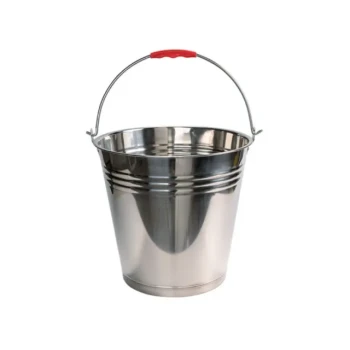
Standard containers can degrade over time, but industrial-grade options are specifically engineered for corrosion resistance. This ensures that the container itself does not break down chemically when in contact with acidic honey. This resistance prevents contamination of the product and preserves the structural integrity of the storage unit.
Specialized Processing and Packaging
Balancing Purity and Natural Properties
Specialized filtration equipment is designed to remove physical impurities, such as wax or debris, with precision. Unlike generic filters, these systems maintain the natural physical and chemical properties of the honey. This ensures the product remains pure without stripping away the characteristics that define high-quality honey.
Eliminating Leakage Risks
The use of specialized packaging equipment standardizes the sealing process of the final product. This precision significantly reduces economic losses caused by leakage, a common issue with manual packaging or inferior containers. Secure packaging ensures the product reaches the consumer intact.
Understanding the Trade-offs
The Risk of Recycled Containers
While recycled or non-industrial containers may appear cost-effective initially, they lack the specific engineering required for long-term honey preservation. They are prone to leakage and inadequate sealing, which directly shortens shelf life. The financial loss from a single spoiled batch often exceeds the savings gained from using cheaper storage.
Equipment Dependency
Transitioning to specialized industrial equipment requires a commitment to proper operation and maintenance. While these tools reduce product loss, they require capital investment compared to low-tech solutions. However, the return on investment is realized through extended shelf life and the reduction of waste.
Making the Right Choice for Your Production
To maximize the value of your honey yield, align your equipment choices with your specific preservation goals.
- If your primary focus is extending shelf life: Prioritize storage containers with superior sealing technology to completely halt moisture absorption and fermentation.
- If your primary focus is product purity: Invest in specialized filtration systems that remove contaminants without altering the honey's essential chemical structure.
By treating storage and packaging as active preservation steps rather than passive logistics, you secure the long-term viability and profitability of your harvest.
Summary Table:
| Feature | Industrial-Grade Solution | Impact on Post-Production Loss |
|---|---|---|
| Environmental Control | Superior Hermetic Sealing | Prevents moisture absorption and fermentation. |
| Material Integrity | Corrosion-Resistant Materials | Eliminates chemical contamination from acidic honey. |
| Product Purity | Specialized Filtration Systems | Removes debris while preserving natural properties. |
| Packaging Precision | Automated Filling & Sealing | Reduces economic loss from leakage and manual error. |
Secure Your Harvest with HONESTBEE Professional Solutions
Don't let inferior storage compromise your commercial yield. HONESTBEE specializes in supporting commercial apiaries and distributors with high-performance beekeeping tools and industrial machinery. Whether you need specialized honey-filling machines to eliminate leakage or industrial-grade hardware to prevent fermentation, our comprehensive wholesale portfolio is designed to maximize your profitability.
Ready to upgrade your production line? Contact HONESTBEE Today to discover how our equipment can extend your shelf life and protect your honey's purity.
References
- Nicholaus Bhikolimana Tutuba, Consolatha Kapinga. Beekeeping Productivity: Why is the Beekeeping Sector less Productive in Tanzania?. DOI: 10.51505/ijebmr.2022.6914
This article is also based on technical information from HonestBee Knowledge Base .
Related Products
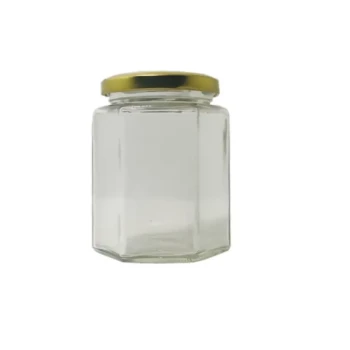
- Hexagonal Glass Honey Jars with Metal Lug Caps Elegant Versatile Packaging
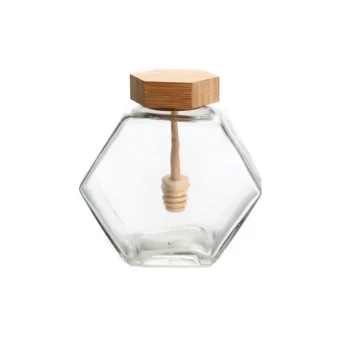
- Hexagonal Glass Honey Jar with Wooden Lid Integrated Dipper Elegant Functional Storage
- Stainless Steel Honey Storage Tank with Lid for Honey
- Stainless Steel Honey Storage and Settling Tank with Double Strainer
- Double Nozzle Small Honey Filling Machine Honey Sachet Packing Packaging Equipment
People Also Ask
- What is the aesthetic appeal of using glass jars for honey? Elevate Your Brand with Premium Packaging
- What are the logistical challenges associated with using glass jars for honey packaging? Navigating Weight & Fragility
- What are the advantages of glass containers for honey? Elevate Quality and Market Value with Premium Packaging
- What are the technical advantages of using glass jars for honey? Master Commercial Packaging for Premium Purity
- What are the advantages of using glass jars for honey packaging? Preserve Purity & Elevate Your Brand