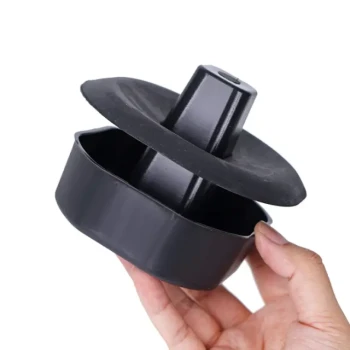
Liquid barriers provide an impenetrable physical moat around beehive stands, utilizing the surface tension of water or the viscosity of oil to block ant pathways. By placing hive legs inside containers filled with these liquids, beekeepers create a permanent isolation barrier that terrestrial pests cannot navigate. This mechanical control is essential during apiary construction to prevent colony absconding and protect valuable resources like larvae and honey from immediate infestation.
Liquid barriers utilize physical isolation to exploit the natural limitations of crawling insects, creating a "moat" that prevents them from reaching the hive. For professional distributors, providing these essential protection components is a cornerstone of a high-quality, comprehensive apiary supply portfolio.
The Mechanics of Liquid Barrier Protection
Creating a Physical Moat
Liquid barriers function as a mechanical isolation zone that leverages the inability of ants and other crawling insects to traverse oily or aqueous surfaces. By positioning the hive stand legs within a container of waste oil or water, the primary pathway for terrestrial pests is completely severed.
Protecting Sensitive Hive Resources
This barrier is critical for safeguarding larvae, bee bread, and honey stores from invasive species that can quickly overwhelm a colony. Eliminating constant pest harassment significantly reduces the risk of colony absconding, ensuring higher colony retention rates for commercial beekeeping operations.
Synergy with Viscous Barriers
In addition to liquid containers, applying specialized grease or sticky substances to the legs of a hive stand provides an extra layer of security. These substances trap the insects' legs or create a surface they simply cannot navigate, offering a redundant protection system for high-value colonies.
Strategic Integration in Apiary Infrastructure
Implementation During Construction
Integrating these barriers during the initial apiary construction phase ensures long-term colony stability and health from the moment the bees are hived. Wholesalers can offer specialized water barrier devices designed to fit standard hive support structures, providing a professional-grade alternative to improvised solutions.
Long-Term Colony Health
Beyond simple protection, these barriers are a low-cost, high-efficiency consumable that minimizes the need for chemical pest control within the apiary. Maintaining a clean barrier system is a hallmark of professional colony management and a key selling point for premium hive equipment.
Rapid Response Sourcing
For distributors, the ability to supply these components through efficient order fulfillment is vital during the spring expansion season. Offering a full-spectrum product portfolio that includes these specialized barrier tools demonstrates deep professional industry expertise.
Understanding the Trade-offs
Maintenance and Environmental Considerations
While waste oil is highly effective and resistant to evaporation, it poses environmental risks if spilled and can collect dust, eventually forming a bridge for insects. Water barriers are eco-friendly and inexpensive but require frequent refills due to evaporation and must be monitored to prevent them from becoming mosquito breeding grounds.
Inspection Intervals
All physical barriers require regular weekly inspections to ensure their integrity has not been compromised by debris or evaporation. Failure to maintain the liquid level or clean the surface of the oil can result in a "bridge" that allows ants to bypass the protection entirely.
Optimizing Your Inventory for Professional Beekeepers
When building a product catalog for commercial clients, focus on the durability and ease of maintenance of hive protection systems.
- If your primary focus is rapid order fulfillment: Leverage ultra-fast delivery networks to ensure high-demand barrier consumables and containers are available exactly when apiary construction begins.
- If your primary focus is comprehensive supply chains: Utilize one-stop sourcing capabilities to provide a complete range of hive stands, liquid containers, and specialized greases in a single shipment.
- If your primary focus is technical value-add: Use deep professional industry expertise to consult with clients on selecting the right barrier medium based on their specific local climate and pest pressure.
Implementing robust liquid barriers is a definitive, professional-grade strategy for ensuring colony security and maximizing long-term apiary productivity.
Summary Table:
| Barrier Type | Mechanism | Key Advantages | Maintenance Considerations |
|---|---|---|---|
| Waste Oil | Viscosity & Isolation | Highly effective; resistant to evaporation | Dust can create bridges; environmental risk |
| Water Moat | Surface Tension | Eco-friendly; zero cost; non-toxic | Requires frequent refills; mosquito risk |
| Grease/Sticky Base | Physical Entrapment | Provides redundant security; easy to apply | Needs reapplication as it hardens |
| Specialized Devices | Mechanical Barrier | Professional-grade; fits standard stands | Initial investment for high-value apiaries |
Scale Your Beekeeping Supply Business with HONESTBEE
Are you a distributor or B2B reseller looking to dominate the market? HONESTBEE is your premier partner for one-stop sourcing of professional beekeeping infrastructure. We provide a full-spectrum product portfolio—from hive-making and honey-filling machinery to specialized ant-protection hardware and essential consumables.
Why partner with HONESTBEE?
- Comprehensive Wholesale Offering: Access everything from heavy machinery to cultural merchandise.
- Optimized Profit Margins: Benefit from our premium trading services and competitive B2B pricing.
- Rapid Fulfillment: Our ultra-fast delivery and efficient order fulfillment keep your inventory ready for peak season.
- Industry Expertise: Leverage our deep technical knowledge to offer your clients the best protection solutions.
Contact HONESTBEE Today to Secure Your Supply Chain
References
- Ehouman J B Ohoueu, Dembélé Ardjouma. Impact De L’utilisation Des Produits Phytosanitaires En Production Cotonniere Et Cacaoyere Sur La Production Apicole En Côte D’ivoire. DOI: 10.19044/esj.2017.v13n9p42
This article is also based on technical information from HonestBee Knowledge Base .
Related Products
- Professional Ant-Proof Beehive Stand with Integrated Moat for Beekeeping
- Metal Hive Feet Bee Hive Stand for Ant Protection
- Professional Insulated Plastic Bee Hives
- Inner Beehive Cover for Beekeeping Bee Hive Inner Cover
- Reusable Clear Small Hive Beetle Traps for Beehives Beetle Trapping Tools
People Also Ask
- What physical protection advantages do individual hive stands provide against Small Hive Beetles? Secure Your Apiary
- Why are specialized ant-proof stands necessary for Africanized honeybee apiaries? Prevent Absconding in Semi-Arid Regions
- Why are specialized beehive stands or protective barriers necessary for pest management in apiaries? Secure Your Colony
- What are the benefits of elevating a bee hive with a stand or base? Protect Your Colony and Your Back
- What to stand a beehive on? The Best Foundation for a Healthy, Manageable Apiary