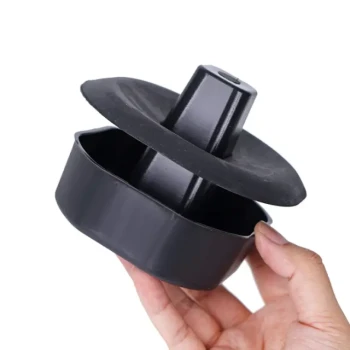
Liquid-filled containers function as impassable "moats" for crawling insects. By placing the legs of a hive stand into vessels filled with fluids like water or used engine oil, you create a physical gap that pests cannot bridge. This mechanism physically isolates the hive structure from the ground, effectively blocking access for ground-based invaders.
By intercepting pests before they can climb the hive stand, this method protects vulnerable larvae and honey stores. It serves as a critical defense strategy to maintain colony stability and significantly reduce the risk of bees abandoning the hive.
The Mechanics of Protection
Creating the "Moat" Effect
The fundamental principle behind this technique is the disruption of the travel path. Crawling insects rely on a continuous solid surface to move from the ground to the hive.
Interposing a liquid-filled container breaks this connection. The liquid creates a surface tension and physical expanse that non-flying insects cannot traverse without drowning or being deterred.
Targeting Specific Pests
This barrier is specifically designed to stop crawling pests, with ants being the primary target.
Ants are persistent foragers that seek out the resources inside a hive. Without a physical block, they can easily climb standard hive legs to infiltrate the colony.
Impact on Colony Health
Protecting Vital Resources
Once pests breach a hive, they target two specific resources: bee larvae and stored honey.
The liquid barrier ensures these resources remain secure. By preventing the initial entry of predators, the barrier preserves the future generation of bees and the colony's energy reserves.
Preventing Colony Absconding
Pest infestation is a leading cause of colony absconding—the phenomenon where bees abandon their hive entirely to escape stress or danger.
By maintaining a pest-free environment via these barriers, you significantly lower the stress load on the colony. This security encourages the bees to remain in the hive rather than fleeing to find a safer location.
Understanding the Trade-offs
Material Selection
The primary reference suggests using either water or used engine oil.
While water is clean and readily available, it is susceptible to evaporation and must be refilled frequently. Used engine oil provides a longer-lasting barrier but requires careful handling to avoid environmental contamination or mess around the apiary.
Maintenance is Required
Barriers are not "set and forget" solutions. Debris, such as falling leaves or grass, can fall into the containers and create "bridges" across the liquid.
Regular inspection is necessary to ensure the liquid level is sufficient and the surface remains clear of floating debris that ants could cross.
Making the Right Choice for Your Goal
To effectively protect your apiary, align your defense strategy with your specific challenges:
- If your primary focus is preventing ant infiltration: Ensure every leg of the hive stand is submerged in a container, leaving no alternative route for crawling insects.
- If your primary focus is reducing colony maintenance: Monitor the liquid levels regularly to prevent the barrier from drying out, which would immediately render the hive vulnerable to absconding.
By isolating the hive from the ground, you turn the hive stand into a fortress rather than a ladder.
Summary Table:
| Feature | Water Barrier | Oil Barrier (Used Engine Oil) |
|---|---|---|
| Mechanism | Surface tension & drowning risk | High viscosity & impenetrable surface |
| Longevity | Low (evaporates quickly) | High (long-lasting) |
| Maintenance | Frequent refills required | Periodic cleaning of debris |
| Environmental Impact | Eco-friendly and safe | Risk of contamination; requires care |
| Primary Target | Ants and small crawling insects | Ants, beetles, and persistent foragers |
Elevate Your Apiary's Protection with HONESTBEE
At HONESTBEE, we understand that protecting your colony from ground-based predators is essential for maximizing honey production and colony health. Whether you are managing a large-scale commercial apiary or operating as a regional distributor, we provide the industrial-grade beekeeping tools and machinery you need to succeed.
From heavy-duty hive stands designed for barrier integration to advanced honey-filling machines and specialized hive-making equipment, our comprehensive wholesale portfolio covers the full spectrum of industry consumables. Let us help you safeguard your investment and streamline your operations with our professional-grade solutions.
Ready to scale your beekeeping business? Contact us today to explore our wholesale offerings and discover how our expertise can drive your success.
References
- Gidey Yirga, Mekonen Teferi. Participatory Technology and Constraints Assessment to Improve the Livelihood of Beekeepers in Tigray Region, northern Ethiopia. DOI: 10.4314/mejs.v2i1.49654
This article is also based on technical information from HonestBee Knowledge Base .
Related Products
- Professional Ant-Proof Beehive Stand with Integrated Moat for Beekeeping
- HONESTBEE Entrance Bee Feeder Efficient Hive Front Liquid Feeding Solution for Beekeeping
- Plastic Bee Hive Stand for Beekeeping
- Metal Hive Feet Bee Hive Stand for Ant Protection
- Metal Bee Hive Stand Bee Box Stand for Beekeeping
People Also Ask
- What physical protection advantages do individual hive stands provide against Small Hive Beetles? Secure Your Apiary
- Why are specialized ant-proof stands necessary for Africanized honeybee apiaries? Prevent Absconding in Semi-Arid Regions
- Why are specialized beehive stands or protective barriers necessary for pest management in apiaries? Secure Your Colony
- What are the benefits of elevating a bee hive with a stand or base? Protect Your Colony and Your Back
- What to stand a beehive on? The Best Foundation for a Healthy, Manageable Apiary