Managed honeybee pollination serves as the critical biological bridge in hybrid seed production systems. By integrating specific feeding techniques and equipment, producers ensure the precise transfer of pollen from male parent plants to male-sterile female lines. This controlled process is the only reliable method to achieve the genetic recombination required for hybrid vigor, directly influencing both the purity and total yield of the crop.
Success in hybrid seed production relies on converting biological potential into consistent yield. Managed honeybee pollination facilitates the essential cross-pollination between parent lines, while specialized support equipment helps overcome environmental barriers to keep pollination rates high.
The Core Mechanism: Biological Mediation
Precision Pollen Transfer
The fundamental role of managed honeybees is to act as vectors for controlled biological mediation.
In hybrid systems, bees physically transport pollen from male parent plants to female parent plants. This is particularly vital for male-sterile lines, which are biologically incapable of self-pollination and rely entirely on external vectors.
Genetic Recombination and Vigor
The transfer of pollen is not just about fertilization; it is about creating a specific genetic outcome.
Managed pollination ensures the necessary genetic recombination occurs between the distinct parent lines. This process results in offspring with hybrid vigor, ensuring the seeds produced possess superior traits compared to the parents.
Impact on Purity and Yield
The effectiveness of the bee activity is the direct determinant of seed quality.
High-efficiency pollination leads to greater seed purity, reducing the risk of self-fertilization or foreign contamination. Furthermore, consistent pollination coverage maximizes the final quantity of the harvest.
Overcoming Environmental Constraints with Equipment
The Challenge of Early Spring
Many hybrid crops flower during early spring, presenting a significant challenge for Western honeybees.
During this period, low ambient temperatures often restrict natural bee activity. Without intervention, colonies may remain dormant or sluggish, missing critical pollination windows.
Supplemental Feeding Techniques
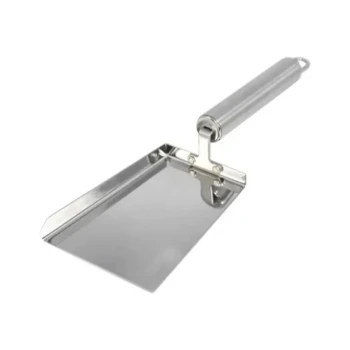
To counteract environmental limitations, producers utilize professional pollen collection and supplementary feeding devices.
These tools allow managers to provide essential nutritional support directly to the hive. This is critical when natural forage is scarce or weather conditions prevent bees from gathering their own food.
Enhancing Foraging Frequency
The goal of using feeding equipment is to maintain high energy levels within the colony.
By supplementing nutrition, producers can enhance overall colony health and significantly increase the frequency of foraging flights. This ensures bees remain in an efficient pollination state, even when the weather is less than ideal.
Understanding the Trade-offs
Management Complexity
Implementing managed pollination is not a "set it and forget it" solution.
It introduces a layer of biological management that requires monitoring both plant flowering stages and bee colony health simultaneously. Failure to synchronize the two results in poor seed set.
Dependency on Active Intervention
Relying on supplementary feeding equipment increases operational overhead.
You cannot rely solely on nature; you must actively maintain the "machinery" of the hive. If the supplemental feeding is neglected during a cold snap, the immediate drop in pollination efficiency can be severe.
Making the Right Choice for Your Goal
To optimize your hybrid seed production, you must match your pollination management to your specific crop needs.
- If your primary focus is Genetic Purity: Prioritize the strategic placement of hives to ensure maximum traffic between male and male-sterile female lines.
- If your primary focus is Early Season Yield: Invest heavily in supplementary feeding devices to force high foraging activity despite cooler spring temperatures.
By treating honeybees as a managed input rather than a passive variable, you secure the genetic integrity and volume of your hybrid harvest.
Summary Table:
| Feature | Impact on Hybrid Seed Production | Key Benefit |
|---|---|---|
| Biological Mediation | Precise pollen transfer from male to male-sterile female lines | Ensures genetic recombination and hybrid vigor |
| Supplemental Feeding | Maintains colony energy levels during early spring or poor weather | Increases foraging frequency and pollination rates |
| Pollen Collection Tools | Provides nutritional support when natural forage is scarce | Sustains hive health for consistent pollination activity |
| Controlled Vectoring | Minimizes self-fertilization and foreign pollen contamination | Guarantees high seed purity and crop quality |
Elevate Your Pollination Efficiency with HONESTBEE
At HONESTBEE, we understand that for commercial apiaries and distributors, the right equipment is the difference between a successful harvest and a missed window. We provide a comprehensive wholesale range of beekeeping tools, specialized machinery, and essential consumables designed to support large-scale hybrid seed production.
From honey-filling and hive-making machines to advanced feeding solutions that keep colonies active in any climate, we supply everything your business needs to deliver value to your customers. Contact us today to discuss our wholesale offerings and discover how our expertise can strengthen your beekeeping operations.
References
- Amarjit S Tanda. Why Insect Pollinators Important in Crop Improvement?. DOI: 10.55446/ije.2021.42
This article is also based on technical information from HonestBee Knowledge Base .
Related Products
- HONESTBEE 15-in-1 Beekeeper Multi-Tool with Hammer and Pliers for Beekeeping
- Plastic Beekeeping Honey Bee Larvae Grafting Tools for Queen Rearing and Chinese Grafting
- Stainless Steel Honey Bee Smoker Hive and Honeycomb Smoker for Beekeeping
- Stainless Steel Pollen Shovel with Wooden Handle
- Queen Bee Artificial Insemination Instrument Equipment for Instrumental Insemination
People Also Ask
- What is the recommended method for storing beekeeping tools? Expert Vertical Storage Solutions for Your Apiary
- How does a favorable microclimate interact with beekeeping tools? Boost Overwintering Success and Equipment Longevity
- Why is the treatment of beekeeping tools with high-concentration chemical disinfectants necessary for preventing AFB?
- What role do specialized beekeeping tools play in pest management? Enhance Apiary Health with Precision Tech
- Why design beekeeping tools with ergonomics in mind? Empowering All Beekeepers with Inclusive Equipment