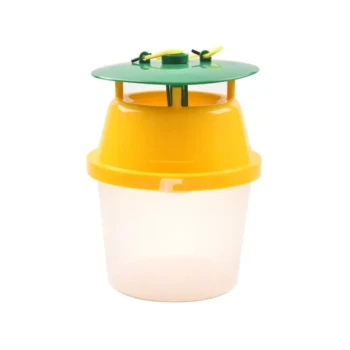
Pesticide-infused strips function through a mechanism of contact toxicity confined within a physical barrier. These strips are installed inside specialized trapping devices placed at the bottom of the beehive. When Small Hive Beetles (SHB) enter the trap to escape worker bees, they physically touch the strip, allowing the active ingredient to penetrate their cuticle and deliver a lethal dose.
By housing the chemical agent inside a protective enclosure, this system exploits the beetle's natural hiding behavior to deliver targeted pest control while isolating the pesticide from the honey and the bee colony.
The Mechanics of the Trap-Strip Interaction
Exploiting Defensive Behavior
Small Hive Beetles naturally flee from harassment by worker bees and exhibit light-avoiding behavior. They actively seek out dark, protected crevices within the hive to hide.
The Trap as a Refuge
The trapping device is designed with apertures small enough to exclude honey bees but large enough to admit beetles. This effectively mimics the safe harbor the beetles are seeking, baiting them into the enclosure.
The Chemical Kill Vector
Once inside the trap, the beetle cannot avoid contact with the pesticide-infused strip. The active ingredients (such as Coumaphos) are absorbed directly through the beetle's outer shell (cuticle), killing the adult beetle on contact.
Why the Enclosure is Critical
Isolating the Toxin
The primary technical advantage of this system is containment. Because the pesticide strip is secured inside a device that bees cannot enter, the risk of contaminating honey stores or harming the colony is effectively neutralized.
Strategic Placement
Traps are typically located at the bottom of the beehive. This targets the area where beetles frequently travel and where debris—a food source for beetle larvae—often accumulates.
Understanding the Trade-offs
Chemical vs. Mechanical Control
Unlike oil-filled traps, which rely on drowning as a physical control mechanism, strips rely on chemical toxicity. While strips avoid the mess of liquid oil, they introduce a chemical agent into the hive environment, necessitating strict adherence to containment protocols.
Target Specificity
This method specifically targets adult beetles that are mobile enough to enter the trap. It does not directly address larvae or eggs elsewhere in the hive, nor does it prevent beetles from entering the hive entrance initially.
Reliance on Beetle Behavior
Success depends entirely on the beetle's improved survival instinct to hide. If the beetle population is not being harassed by a strong colony of worker bees, they may feel less pressure to enter the traps, reducing the kill rate.
Making the Right Choice for Your Goal
To determine if pesticide-infused traps are the correct solution for your apiary, consider your specific constraints:
- If your primary focus is minimizing hive maintenance: Pesticide strips offer a "dry" solution that avoids the frequent refilling and cleaning associated with liquid oil traps.
- If your primary focus is strictly chemical-free management: You should opt for oil-filled traps or entrance reducers, which utilize physical barriers and drowning rather than neurotoxins.
- If your primary focus is maximum safety: Ensure the traps are undamaged and correctly assembled so that the pesticide strip remains completely inaccessible to the bees.
The most effective SHB control strategy often combines these internal traps with external environmental management to break the pest's lifecycle at multiple points.
Summary Table:
| Feature | Pesticide-Infused Strips | Oil-Filled Traps |
|---|---|---|
| Mechanism | Contact Toxicity (Chemical) | Drowning (Physical) |
| Target Stage | Adult Beetles | Adult Beetles |
| Maintenance | Low (Dry system) | High (Refilling/Cleaning) |
| Bee Safety | High (via physical enclosure) | High (via aperture size) |
| Primary Risk | Chemical residue if breached | Oil spills/mess |
| Lifecycle Impact | Adult population reduction | Adult population reduction |
Maximize Your Apiary Productivity with HONESTBEE
Protecting your colony from Small Hive Beetles requires professional-grade solutions that balance efficiency with safety. At HONESTBEE, we specialize in supporting commercial apiaries and distributors with a comprehensive wholesale catalog. From specialized hive-making and honey-filling machinery to high-performance beekeeping tools and essential consumables, we provide the hardware you need to scale your operations.
Partner with us to access industry-leading equipment and honey-themed cultural merchandise designed for the modern beekeeping market. Contact us today to explore our wholesale offerings and see how our expertise can streamline your production.
References
- European Food Safety Authority (EFSA). Small hive beetle diagnosis and risk management options. DOI: 10.2903/j.efsa.2015.4048
This article is also based on technical information from HonestBee Knowledge Base .
Related Products
- Black Plastic Beetle Barn Hive Beetle Trap for Beehives
- Reusable Aluminium Beetle Trap for Small Hive Beetles Silver Bullet
- Reusable Clear Small Hive Beetle Traps for Beehives Beetle Trapping Tools
- Plastic Beetle Blaster Trap Beekeeping Tools and Supplies
- Yellow Plastic Bucket Pail Perch for Beekeeping
People Also Ask
- How should powdered substances be used in beetle traps for hive beetle control? Expert Guide for Maximum Colony Protection
- What are the three main types of hive beetle traps? Expert Solutions for Protecting Your Bee Colonies
- What are the types of hive beetle traps available? Master Your Beetle Control Strategy
- What are the main types of hive beetle traps available? A Beekeeper's Guide to Effective Control
- What mechanical methods can be used to manage small hive beetles? Effective Physical Solutions for Your Beehive