Pollen traps act as a critical control mechanism in nutritional studies by physically restricting a colony's access to natural food sources. By installing a grid barrier at the hive entrance or bottom, the device scrapes pollen pellets off the legs of returning foragers, effectively limiting the influx of natural protein. This creates a controlled environment where the colony is forced to rely on the administered nutritional supplements, allowing researchers to attribute biological changes directly to the test diet rather than random environmental foraging.
Core Takeaway To accurately evaluate a nutritional supplement, you must eliminate variables that skew the data. The pollen trap functions as an exclusion device that minimizes "background noise" from natural flora, ensuring that metrics like brood development and adult bee weight are a direct result of the artificial protein being tested.
The Mechanics of Exclusion
The Physical Barrier Principle
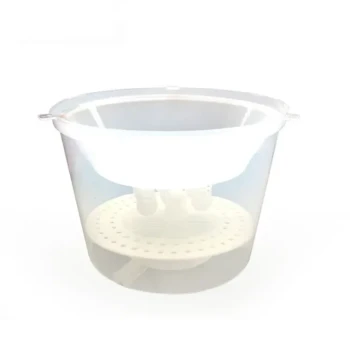
Pollen traps utilize a perforated plate or wire grid typically installed at the hive entrance or bottom board. The holes in this grid are calibrated (often around 4.0 to 4.5 mm) to be just large enough for a worker bee to pass through, but too small for the pollen pellets attached to her hind legs.
Mechanical Interception
As the forager squeezes through the mesh to enter the hive, the physical friction mechanically scrapes the pollen loads off her corbiculae (pollen baskets). These pellets fall into a protected collection drawer below, preventing them from entering the colony's food stores.
Regulating Intake
In standard beekeeping, this mechanism is used to harvest pollen. However, in nutritional experiments, the trap is used to limit intake. By controlling the efficiency of the trap, you effectively dictate how much natural protein the colony can access, creating a known dietary deficit that the supplement must fill.
Isolating the Nutritional Variable
Eliminating Environmental Interference
The primary challenge in field studies is that natural pollen sources vary wildly in protein content and availability. Without a trap, a colony might ignore a supplement simply because high-quality natural pollen is available, or they might thrive on natural pollen while the researcher falsely attributes the success to the supplement. The trap removes this variable.
Forcing Dependency
By stripping away the natural pollen, the colony is placed in a state of induced nutritional stress. This compels the bees to consume the artificial protein supplement provided by the researcher. This confirms palatability—proving the bees will actually eat the substitute when necessary.
Measuring Biological Impact
Once natural pollen is excluded, researchers can accurately measure the physiological effects of the supplement. According to the primary reference, this allows for precise assessment of three key metrics:
- Colony Strength: The overall population health and longevity.
- Sealed Brood Area: The capacity of the diet to support larval development.
- Adult Bee Weight: The physical condition of the emerging workers.
Understanding the Trade-offs
The Stress Factor
While essential for data accuracy, pollen traps place physical stress on the colony. The mechanical scraping can damage bees slightly, and the congestion at the entrance can slow down foraging efficiency.
Exclusion is Not Absolute
Pollen traps are rarely 100% effective. Small amounts of pollen may still bypass the grid. In highly precise studies, this residual natural pollen must be accounted for, or the trap efficiency must be validated beforehand.
Risk of Colony Decline
If the nutritional supplement being tested is ineffective or lacks essential amino acids, the colony will suffer more rapidly because the trap prevents them from compensating with natural pollen. Close monitoring is required to prevent colony collapse during the study.
Making the Right Choice for Your Goal
## How to Apply This to Your Project
To design a valid nutritional experiment, align your trapping strategy with your specific research objectives:
- If your primary focus is Efficacy Testing: Use high-efficiency traps to remove natural pollen entirely, ensuring any brood growth is solely due to your supplement.
- If your primary focus is Palatability: Use traps to create a "dearth" simulation; if bees refuse the supplement even when natural pollen is restricted, the formula is likely unpalatable.
- If your primary focus is Real-World Application: Consider running a control group without traps to see if the bees utilize the supplement effectively when natural options are also present.
By controlling the input of natural resources, you transform the hive from a variable biological system into a precise testing instrument.
Summary Table:
| Feature | Function in Nutritional Testing | Impact on Data Accuracy |
|---|---|---|
| Physical Grid | Scrapes natural pollen from foragers' legs | Creates a protein deficit to force supplement intake |
| Exclusion Principle | Minimizes 'background noise' from local flora | Ensures biological changes are linked directly to the test diet |
| Resource Regulation | Simulates nutritional stress or dearth periods | Confirms supplement palatability and larval support capacity |
| Metric Isolation | Limits food stores to the experimental variable | Provides precise measurement of brood area and bee weight |
Elevate Your Apiary Research and Productivity with HONESTBEE
Precision is the foundation of a successful commercial apiary or distribution business. At HONESTBEE, we understand the technical demands of honeybee nutrition and colony management. We provide a comprehensive range of professional-grade beekeeping tools, from high-efficiency pollen traps and specialized hardware to advanced honey-filling and hive-making machinery.
Whether you are a distributor looking for a reliable wholesale partner or a commercial operator needing specialized industry consumables and honey-themed cultural merchandise, HONESTBEE delivers the quality you need to thrive.
Ready to scale your operations with premium equipment?
Contact HONESTBEE Today to discuss our wholesale offerings and how we can support your business growth.
References
- Mustafa Güneşdoğdu, Samet Hasan Abacı. Effects of Homemade Diets on Apis mellifera caucasica: Body Weight and Colony Productivity. DOI: 10.51458/bstd.2025.45
This article is also based on technical information from HonestBee Knowledge Base .
Related Products
- Removable Plastic Pollen Trap With Ventilated Tray for Bees Pollen Collector
- 30 cm Plastic Entrance Hole Bee Pollen Trap and Collector
- Plastic Bee Pollen Trap Strips Comb Catcher Collector
- High-Efficiency Diamond Maze Bee Escape for Clearing Supers
- Professional Bucket Style Wasp and Moth Pheromone Trap
People Also Ask
- What are the design principles and advantages of pollen traps in the collection of bee pollen? Boost Your Apiary Yield
- What is the function of professional pollen traps in evaluating honey plants? Quantifying Pollination and Crop Potential
- What functions do pollen traps serve for bee bread production? Optimize Your Raw Material Collection
- What maintenance and pest prevention measures should be taken for pollen traps? Protect Your Hive and Harvest Quality
- How does the use of pollen traps in honeybee hives enhance crop fertilization? Boost Your Yield Through Induced Activity