Pollen traps function as mechanical interceptors installed directly at the entrance of a beehive. By forcing returning foraging bees to navigate through specific physical grids or restriction holes, these devices physically scrape pollen pellets from the bees' hind legs. This mechanism allows for the systematic collection of raw, fresh pollen samples without requiring invasive internal colony inspections.
By intercepting pollen at the point of entry, these traps provide the substantial biological material needed to scientifically link specific plant sources to pesticide residues, bridging the gap between field foraging and laboratory analysis.
The Mechanics of Collection
Physical Interception
The core function of the trap relies on a physical barrier placed at the hive entrance. Returning worker bees, laden with pollen, are compelled to crawl through a grid designed with precise dimensions.
The Separation Process
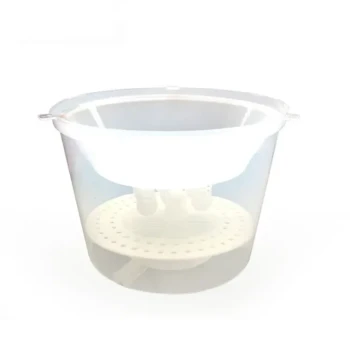
As the bees pass through these restriction holes, the narrow clearance dislodges the pollen pellets attached to their hind legs. These pellets fall through a screen into a protected collection tray below, inaccessible to the bees.
Raw Sample Acquisition
This process secures "fresh" pollen that has not yet been processed or stored inside the colony. This ensures the samples represent the immediate environment and current foraging conditions.
Monitoring Foraging Behavior
Identifying Plant Sources
The collected pellets serve as a direct record of the colony's botanical interaction. Researchers classify these samples based on color and morphology to identify exactly which plant species the bees are visiting.
Assessing Colony Vitality
The volume of pollen collected over a specific time interval offers a quantitative metric of pollination efficiency. High volumes indicate strong colony vitality and an abundance of forage in the surrounding landscape.
Tracking Resource Utilization
By analyzing the specific mix of pollen types, apiarists can determine utilization rates of different crops (such as Phacelia tanacetifolia). This data helps optimize decisions regarding colony relocation to areas with better nutritional resources.
Quantifying Pesticide Exposure
Enabling Chemical Analysis
Accurate toxicology requires a sufficient amount of biological material. Pollen traps provide enough mass to perform advanced analytical techniques, specifically Liquid Chromatography-Tandem Mass Spectrometry (LC-MS/MS).
Targeting Specific Residues
Using LC-MS/MS, researchers can detect and quantify minute concentrations of pesticide residues. This confirms whether bees are ingesting chemicals from specific target fields or treated crops.
Non-Invasive Toxicology
This method monitors environmental exposure without sacrificing the bees themselves. It uses the pollen payload as a proxy for the chemical landscape the colony is navigating.
Understanding the Trade-offs
Nutritional Deprivation
While often described as non-disruptive to "normal activities," these traps literally steal the colony's protein source. Extended use can impact the nutritional intake of the hive if not monitored.
Mechanical Obstruction
The physical restriction holes create a bottleneck at the hive entrance. While this ensures sample collection, it slightly alters the ease of entry for returning foragers.
Making the Right Choice for Your Goal
To effectively utilize pollen traps, align your sampling strategy with your specific objective:
- If your primary focus is Environmental Toxicology: Prioritize obtaining sufficient sample mass to run LC-MS/MS analysis for precise residue quantification.
- If your primary focus is Colony Management: Use the volume and diversity of collected pollen to assess forage abundance and decide if the hive needs to be relocated.
Pollen traps convert the complex, chaotic activity of foraging into measurable, granular data regarding both botanical diversity and chemical safety.
Summary Table:
| Feature | Mechanism/Function | Key Benefit |
|---|---|---|
| Collection Method | Physical grid interception at hive entrance | Secures fresh, unprocessed pollen samples |
| Behavioral Tracking | Botanical classification by color & morphology | Identifies specific plant sources & crop usage |
| Exposure Analysis | LC-MS/MS compatibility for residue detection | Non-invasive quantification of pesticide levels |
| Colony Vitality | Quantitative volume measurement | Accurate assessment of pollination efficiency |
| Environmental Proxy | Foraging payload analysis | Maps the chemical & nutritional landscape |
Scale Your Apiary Operations with HONESTBEE
As a professional distributor or commercial apiary, you need more than just data—you need the tools to act on it. HONESTBEE provides a comprehensive wholesale solution for the global beekeeping industry. From specialized pollen collection hardware and hive-making machinery to high-efficiency honey-filling systems, we supply the full spectrum of equipment and consumables required to manage large-scale operations.
Whether you are upgrading your extraction line or stocking high-quality tools for your distribution network, our expertise ensures your success. Contact HONESTBEE today to discuss our wholesale offerings and discover how our specialized machinery can streamline your production and enhance colony health.
References
- Julia Osterman, Joachim R. de Miranda. Clothianidin seed-treatment has no detectable negative impact on honeybee colonies and their pathogens. DOI: 10.1038/s41467-019-08523-4
This article is also based on technical information from HonestBee Knowledge Base .
Related Products
- Removable Plastic Pollen Trap With Ventilated Tray for Bees Pollen Collector
- 30 cm Plastic Entrance Hole Bee Pollen Trap and Collector
- Plastic Bee Pollen Trap Strips Comb Catcher Collector
- High-Efficiency Diamond Maze Bee Escape for Clearing Supers
- Professional Bucket Style Wasp and Moth Pheromone Trap
People Also Ask
- What are the design principles and advantages of pollen traps in the collection of bee pollen? Boost Your Apiary Yield
- What is the function of professional pollen traps in evaluating honey plants? Quantifying Pollination and Crop Potential
- What functions do pollen traps serve for bee bread production? Optimize Your Raw Material Collection
- What maintenance and pest prevention measures should be taken for pollen traps? Protect Your Hive and Harvest Quality
- How does the use of pollen traps in honeybee hives enhance crop fertilization? Boost Your Yield Through Induced Activity