The interaction between precision grafting needles and artificial queen cell frames is the primary mechanism that transforms a honeybee’s natural survival instinct into a scalable production process.
These tools function in tandem to execute a "biological trick": the needle allows for the delicate transfer of young larvae into specialized frames, which simulate a mass queen-rearing event. This triggers the worker bees to secrete royal jelly in volumes far exceeding natural requirements, concentrating the product for efficient human harvest.
By simulating the specific conditions of queen rearing, these tools convert a biological anomaly into a systematic manufacturing process. The core principle is induced secretion: using precise physical intervention to force the colony into a high-output nursing state.
The Mechanics of Induced Secretion
The Role of the Precision Grafting Needle
The grafting needle is the instrument of initiation. Its primary function is the accurate transfer of larvae of a specific age from natural combs into artificial cups.
This process is incredibly delicate; the tool must lift the larva without causing physical trauma. High-precision tools are essential here because larval survival is the prerequisite for production. If the larva is damaged during transfer, the worker bees will detect the failure and refuse to secrete royal jelly into that cell.
The Function of Artificial Queen Cell Frames
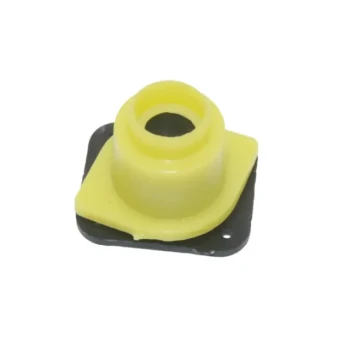
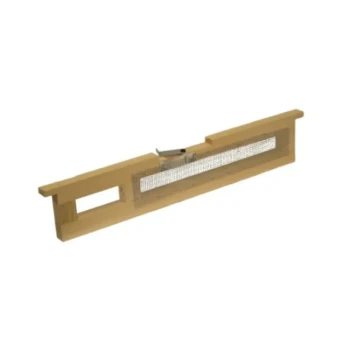
Once grafted, the larvae are placed into artificial queen cell frames. These frames serve as high-density carriers, allowing beekeepers to arrange hundreds of cell cups within a single standard frame.
This structure allows for the centralized management of the production cycle. Rather than searching for scattered natural queen cells, the frame presents a concentrated array of targets for the worker bees to tend.
Simulating the Natural Environment
The artificial cups within the frame are designed to mimic the geometry and dimensions of natural queen cells. This design guides worker bee behavior, signaling them to treat the transferred larvae as potential queens.
By "accepting" these artificial cells, the worker bees instinctively flood them with royal jelly. The frame's physical structure ensures that all cups are held at uniform temperature and humidity levels, which creates the optimal environment for maximum secretion.
Understanding the Operational Trade-offs
The Risk of Mechanical Damage
While precision needles enable the process, they introduce a point of failure. Improper handling or low-quality tools can damage the larvae or the delicate royal jelly bed.
If the transfer is not executed with high precision, the "acceptance rate" (the percentage of larvae the bees decide to feed) will plummet. A low acceptance rate directly correlates to wasted frame space and lower overall yield.
Material and Dimensional Sensitivity
The artificial cups are not merely containers; they are biological signals. The material and specific dimensions of the cups directly influence the bees' willingness to secrete jelly.
If the artificial cups do not accurately simulate the natural biological environment, the colony may reject the frame entirely. Success relies on the tools becoming invisible to the bees' instincts.
Timing and Extraction Constraints
The system relies on rigid timing. Typically, larvae are removed and jelly is extracted on the fourth day after grafting.
This requires the tools to facilitate easy removal. If the frame design makes larval removal difficult, the extraction process may contaminate the jelly or degrade its commercial purity.
Optimizing Your Production Strategy
If your primary focus is Maximizing Biological Output:
- Prioritize high-density framing systems that maintain strict temperature and humidity uniformity to ensure the highest possible acceptance rates across the entire frame.
If your primary focus is Product Purity and Quality:
- Invest in superior precision grafting tools to minimize larval injury, ensuring that the royal jelly is secreted for healthy larvae and collected without contamination from damaged biological matter.
The efficiency of royal jelly production is defined by how effectively your tools can mimic nature's signals to trigger a standardized biological response.
Summary Table:
| Tool Component | Primary Function | Impact on Production |
|---|---|---|
| Precision Grafting Needle | Delicate transfer of 1-3 day old larvae | Determines larval survival and bee acceptance rates |
| Artificial Queen Cell Cups | Mimics natural queen cell geometry | Signals worker bees to initiate high-volume jelly secretion |
| High-Density Frames | Concentrates hundreds of cells in one unit | Enables scalable, centralized management and efficient harvest |
| Environmental Control | Maintains uniform heat and humidity | Ensures optimal larval health and consistent jelly quality |
Scale Your Royal Jelly Production with HONESTBEE
Maximize your apiary's efficiency with precision-engineered tools designed for professional results. HONESTBEE provides commercial apiaries and distributors with a comprehensive range of high-performance beekeeping machinery and consumables.
From high-density queen cell frames that boost acceptance rates to precision grafting needles that protect your larvae, our equipment is built to turn biological potential into commercial success. We also supply specialized honey-filling machines and hive-making hardware to support every stage of your business.
Ready to upgrade your wholesale supply? Contact us today to explore our full portfolio and discover the HONESTBEE advantage for your operations.
References
- Sertaç Arı, Ethem Akyol. Üniversite Öğrencilerinin Arı Ürünleri Hakkındaki Bilgi Düzeylerinin, Tüketim Davranışlarının ve Alışkanlıklarının Tespit Edilmesi. DOI: 10.24925/turjaf.v8i11.2314-2321.3242
This article is also based on technical information from HonestBee Knowledge Base .
Related Products
- Black 2 Pack Beekeeper Queen Grafting Tool for Bee Queen Larva Transferring Needle
- Retractable Chinese Queen Rearing Grafting Tools Equipment
- Plastic Beekeeping Honey Bee Larvae Grafting Tools for Queen Rearing and Chinese Grafting
- Stainless Steel Queen Grafting Tool for Beekeeping and Bee Queen Grafting
- Plastic Chinese Queen Grafting Tool for Bee Queen Rearing
People Also Ask
- What is the primary function of a queen grafting tool? Master Precise Larval Transfer for High Queen Acceptance
- What is the step-by-step process for using a queen grafting tool? Master Larva Transfer for Better Queen Rearing
- What are the benefits of using a queen grafting tool for queen rearing? Master Precision for Superior Bee Genetics
- What is grafting in queen rearing? Take Control of Your Apiary's Genetics
- What are the steps involved in using a queen grafting tool? A Guide to Successful Queen Rearing