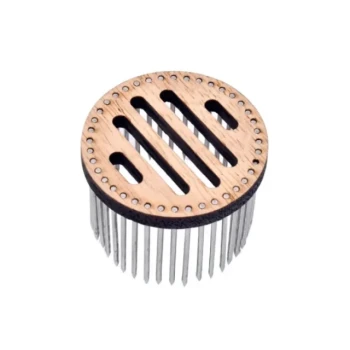
Professional queen cages and larvae grafting tools are the linchpins of systematic genetic optimization in apiculture. They provide the mechanical precision necessary to control the queen’s environment and safely transfer delicate larvae without injury. Without this specialized equipment, beekeepers cannot reliably select for specific traits like disease resistance, gentle temperament, or superior honey production.
By standardizing the handling of larvae and the queen's environment, professional tools transform queen rearing from a game of chance into a controlled science. This precision is the only path to isolating and propagating elite genetic traits that ensure colony resilience.
The Mechanics of Genetic Selection
Precision Larval Transfer
The foundation of advanced breeding is the grafting process. High-precision grafting needles are designed with specialized fine tips to scoop up young larvae—specifically those less than 24 hours old—from worker cells.
Protecting the Epidermis
Larvae at this stage are incredibly fragile. Professional tools are engineered to minimize physical damage to the larva's delicate epidermis during transfer. Even microscopic damage can cause nurse bees to reject the cell, destroying the breeding attempt before it begins.
Ensuring Proper Orientation
A critical rule in grafting is to never flip the larva. If a larva is turned over, it can drown in its own feed jelly. Professional tools are shaped to maintain the larva's original orientation, ensuring it remains viable for the nurse bees to nurture.
Optimizing Colony Traits
Isolating Desirable Characteristics
The ultimate goal of using these tools is to breed high-quality queens that carry elite traits. By controlling the rearing process, breeders can select specific lineages that exhibit enhanced disease resistance, such as hygienic behavior against mites.
Environmental Control
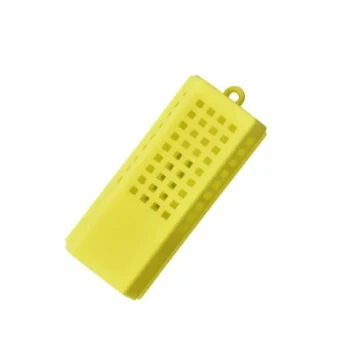
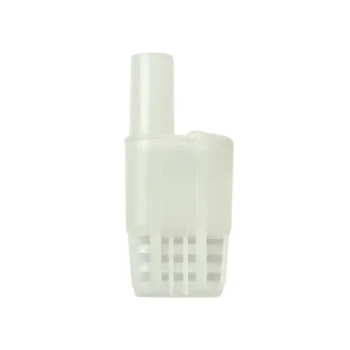
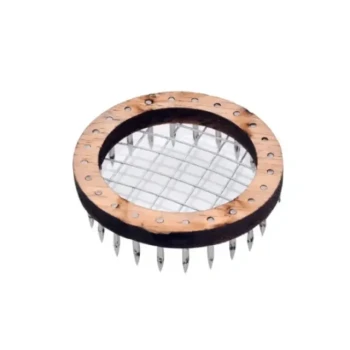
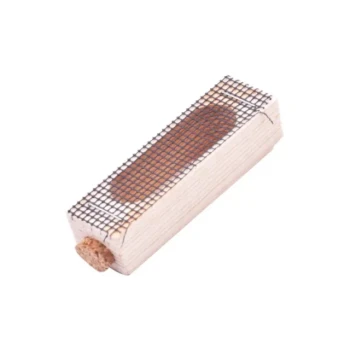
Professional queen cages allow for the precise management of the queen's immediate environment. This is essential for introducing queens to new colonies or holding them safely before and after mating flights or instrumental insemination.
Standardization of Reproduction
Advanced breeding requires consistency. Professional equipment, including rearing frames and cell cups, ensures that the reproductive process is standardized, leading to a higher and more predictable success rate for queen cell acceptance.
Common Pitfalls to Avoid
The Skill Gap
Possessing professional tools does not guarantee success; they require significant manual dexterity and practice. A steady hand is required to manipulate larvae that are barely visible to the naked eye without causing trauma.
Timing is Everything
The best tools are useless if the biological timing is off. Grafting must occur within a specific window (larvae <24 hours old), and the entire development process—from egg to hatched queen—adheres to a strict 16-day schedule.
Neglecting the Colony Environment
Tools optimize the transfer, but the colony must be strong enough to support the cells. Placing grafted cells into a weak or resource-poor hive will result in failure, regardless of how precise the grafting tool is.
Making the Right Choice for Your Goal
Whether you are a commercial breeder or a serious hobbyist, your tool selection should match your breeding objectives.
- If your primary focus is trait hygiene (disease resistance): Prioritize ultra-fine grafting needles that allow you to select the youngest possible larvae, as this maximizes the biological potential of the resulting queen.
- If your primary focus is production scale: Invest in a complete system of matching cell cups and rearing frames to streamline the workflow and increase the volume of viable queen cells.
Mastering these tools is the defining step in moving from simply keeping bees to actively improving the genetics of your apiary.
Summary Table:
| Tool Type | Key Function | Core Breeding Benefit |
|---|---|---|
| Grafting Needles | Precise transfer of <24hr larvae | Minimizes physical trauma; ensures larva viability |
| Professional Queen Cages | Controlled queen introduction/holding | Manages environmental factors and queen safety |
| Standardized Cell Cups | Uniform queen cell development | High acceptance rates and predictable rearing cycles |
| Rearing Frames | Systematized colony reproduction | Scalable production of elite genetic lineages |
Elevate Your Apiary's Genetic Potential with HONESTBEE
At HONESTBEE, we understand that advanced queen breeding is a science that demands absolute precision. We provide commercial apiaries and distributors with the professional-grade tools necessary to transform breeding from a game of chance into a controlled success.
Our comprehensive wholesale portfolio includes high-precision grafting needles, specialized queen cages, and advanced hive-making machinery designed to optimize your breeding workflow. Whether you are scaling production or selecting for disease-resistant traits, our equipment ensures the durability and accuracy required for elite genetic improvement.
Ready to upgrade your breeding operation? Contact us today to explore our full spectrum of beekeeping tools and machinery!
References
- Cristina Bianca Pocol, Molly M. McDonough. Women, Apiculture and Development: Evaluating the Impact of a Beekeeping Project on Rural Women’s Livelihoods. DOI: 10.15835/buasvmcn-hort:11423
This article is also based on technical information from HonestBee Knowledge Base .
Related Products
- Stainless Steel Queen Grafting Tool for Beekeeping and Bee Queen Grafting
- Black 2 Pack Beekeeper Queen Grafting Tool for Bee Queen Larva Transferring Needle
- Plastic Beekeeping Honey Bee Larvae Grafting Tools for Queen Rearing and Chinese Grafting
- Professional Queen Catcher and Introduction Queen Cage
- Stainless Steel Beekeeping Queen Grafting Tool for Honey Bee Rearing
People Also Ask
- What is grafting in queen rearing? Take Control of Your Apiary's Genetics
- What are the steps involved in using a queen grafting tool? A Guide to Successful Queen Rearing
- What are the benefits of using a queen grafting tool for queen rearing? Master Precision for Superior Bee Genetics
- What is the step-by-step process for using a queen grafting tool? Master Larva Transfer for Better Queen Rearing
- What is the primary function of a queen grafting tool? Master Precise Larval Transfer for High Queen Acceptance