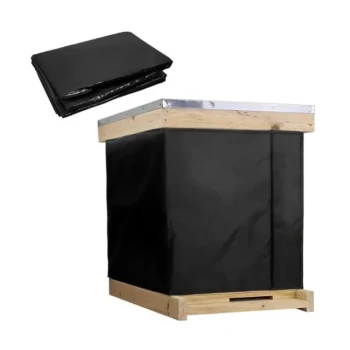
Professional beekeeping tools act as critical life-support systems for weak colonies by enabling precise inspections and artificial supplemental feeding during climate-induced resource shortages. By facilitating timely interventions—such as nutritional supplementation and thermal insulation—these tools directly reduce bee mortality caused by metabolic stress and abrupt temperature fluctuations, ensuring the colony retains the capacity to survive the winter.
Climate change disrupts the natural availability of nectar and pollen, leaving colonies vulnerable to starvation and thermal stress. Professional tools bridge this gap by allowing beekeepers to artificially stabilize the hive's environment and energy intake, preserving colonies that would otherwise collapse under environmental pressure.
Countering Nutritional Instability
Identifying Resource Gaps
Climate change often causes natural nectar and pollen sources to be interrupted or out of sync with the bees' needs. Professional inspection tools allow beekeepers to accurately assess the colony's food stores without causing unnecessary disruption.
Delivering Artificial Nutrition
When natural sources fail, the survival of a weak colony depends on artificial supplemental feeding. Specialized feeders and high-quality nutritional consumables provide the essential energy and protein required to prevent starvation.
Reducing Metabolic Stress
By providing easily accessible nutrition, these tools reduce the physical toll on foraging bees. This mitigation of metabolic stress is vital for maintaining the health of individual bees and the overall population density.
Stabilizing the Physical Environment
Buffering Against Temperature Extremes
Weak colonies lack the biomass to effectively regulate their own hive temperature during extreme heat or cold. Specialized beehive designs incorporate optimized insulation materials that act as a thermal buffer against global warming trends.
Minimizing Energy Expenditure
Insulated hives and weather-resistant components significantly reduce the energy honeybees must burn to heat or cool the nest. Lowering this energy cost allows the colony to redirect resources toward brood rearing and survival rather than thermal regulation.
Managing Ventilation and Humidity
Advanced hive structures feature superior sealing and ventilation adjustment capabilities. These features enable the colony to maintain constant internal humidity levels, which is critical during periods of drought or heavy rainfall associated with climate instability.
Understanding the Trade-offs
The Cost of Intervention
While effective, reliance on high-tech hardware and consumables increases the operational cost of the apiary. Beekeepers must balance the expense of specialized equipment against the potential economic loss of the colony.
Dependency on Management Skill
Advanced tools are not autonomous solutions; they require strategic human intervention. The effectiveness of nutritional supplements and insulated hives is entirely dependent on the beekeeper's ability to interpret colony signals and deploy these tools at the correct moment.
Making the Right Choice for Your Goal
To effectively manage weak colonies in a changing climate, align your tool usage with your specific objective.
- If your primary focus is Colony Survival (Overwintering): Prioritize high-performance insulation and weather-resistant hive components to minimize the metabolic energy bees lose to thermal regulation.
- If your primary focus is Crop Pollination: Focus on precise nutritional supplementation to stimulate brood rearing and maximize forager activity during limited flowering windows.
The right tools do not replace natural resilience, but they provide the essential buffer needed to stabilize populations in an unpredictable environment.
Summary Table:
| Tool Category | Climate Challenge | Primary Function | Key Benefit |
|---|---|---|---|
| Nutritional Feeders | Resource Gaps (Nectar/Pollen) | Artificial Supplemental Feeding | Prevents starvation & reduces metabolic stress |
| Insulated Beehives | Temperature Extremes | Thermal Buffering | Minimizes energy burn for hive heating/cooling |
| Ventilation Systems | Humidity & Drought | Moisture Regulation | Maintains constant internal environment for brood |
| Inspection Tools | Unpredictable Cycles | Health Assessment | Enables timely intervention without hive disruption |
Secure Your Apiary's Future with HONESTBEE
In an era of climate instability, the right equipment is the difference between colony collapse and a thriving harvest. HONESTBEE empowers commercial apiaries and distributors with the industry's most comprehensive range of professional solutions.
From high-performance specialized hardware and hive-making machinery to essential nutritional consumables and beekeeping tools, we provide the technical edge needed to protect weak colonies and optimize production. Whether you are scaling a commercial operation or supplying the next generation of beekeepers, our wholesale offerings deliver unmatched durability and precision.
Ready to upgrade your resilience? Contact our expert team today to discuss how our custom machinery and equipment can strengthen your business.
References
- Hülya Sayğı. Adverse effects of climate change on agriculture: An evaluation of fruit and honey bee farming. DOI: 10.18488/journal.1005/2020.10.1/1005.1.504.514
This article is also based on technical information from HonestBee Knowledge Base .
Related Products
- Professional Insulated Plastic Bee Hives
- Professional Insulated Winter Hive Wrap for Beekeeping
- Inner Beehive Cover for Beekeeping Bee Hive Inner Cover
- In-Hive Dual Compartment Frame Bee Feeder for Targeted Colony Nutrition
- Stainless Steel Round Beehive Air Vents for Ventilation
People Also Ask
- What are the advantages of plastic bee hives? Boost Efficiency & Durability for Your Apiary
- Are plastic bee hives any good? Unlock Durability & Efficiency for Your Apiary
- How do plastic bee hives compare to wooden hives in handling? Reduce Strain & Boost Efficiency
- Are plastic bee hives good? Durable, Low-Maintenance Hives for Modern Apiaries
- What are the disadvantages of plastic beehives? Key Operational and Environmental Risks Exposed