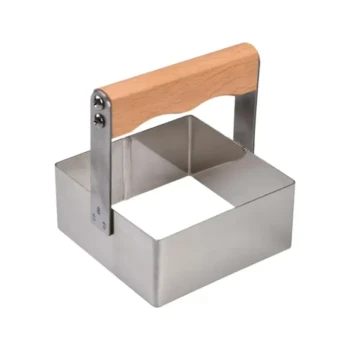
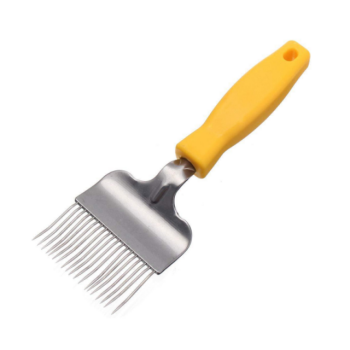
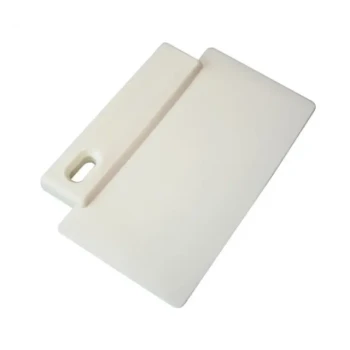
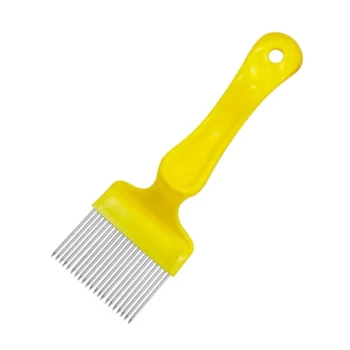
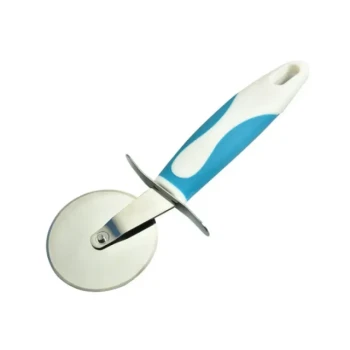
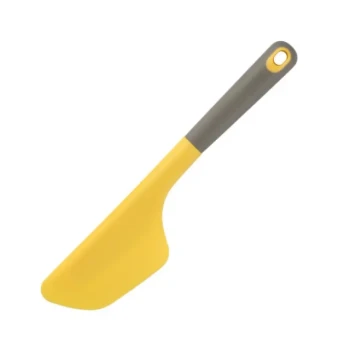
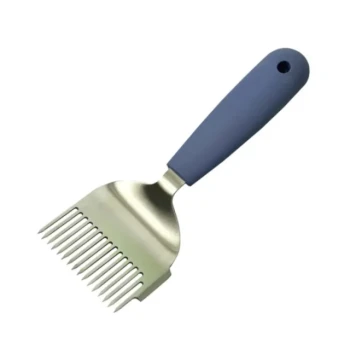
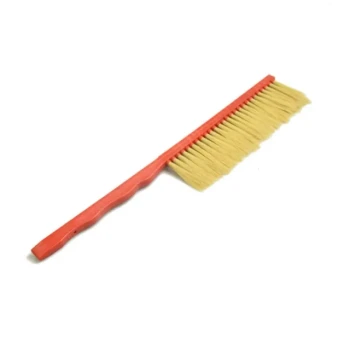
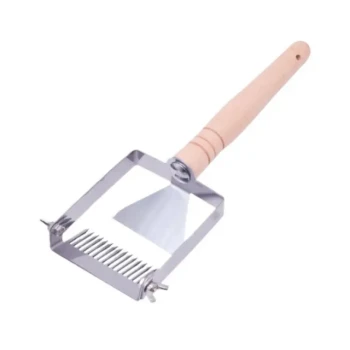
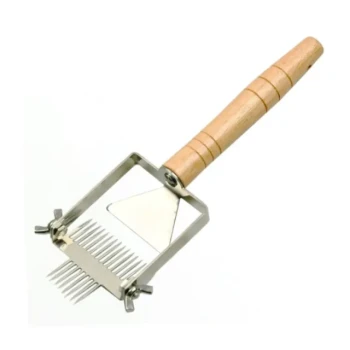
Professional collection tools ensure sample integrity by prioritizing the preservation of delicate physical structures during the removal process. Specifically, these tools are engineered to extract brood combs containing mature pupae without inflicting damage on the fragile wax cell structures, ensuring the sample remains intact for relocation and analysis.
The validity of research data hinges on the condition of the sample upon arrival at the laboratory. Professional extraction minimizes physical trauma to wax structures, while paired temperature controls preserve biological viability, directly safeguarding the accuracy of statistical data.
Preserving Physical Structure During Extraction
Protecting Fragile Wax Cells
The primary challenge in extracting brood combs is the inherent delicacy of the medium. Professional collection tools are specifically designed to navigate this fragility.
Their mechanism allows for the removal of the comb while preventing crushing or tearing of the wax cell structures. This mechanical precision is critical to maintaining the sample's original state.
Safeguarding Mature Pupae
Extraction often targets combs that house mature pupae, a stage of development highly susceptible to disturbance.
By preserving the surrounding wax architecture, these tools provide a stable barrier for the pupae. This prevents physical injury to the developing organisms during the initial detachment from the colony.
Ensuring Sample Viability for Analysis
The Role of Temperature Control
Physical integrity is only one component of a successful extraction; environmental stability is equally vital.
Professional protocols dictate that collection tools must be used in conjunction with temperature-controlled transport equipment. This ensures that the biological conditions of the hive are mimicked as closely as possible during transit.
Securing Valid Statistical Data
The ultimate objective of using specialized tools and transport is to guarantee the validity of the samples used for statistical data.
If a sample is damaged or thermally stressed during transfer to the laboratory, subsequent observations may be skewed. Proper extraction techniques ensure that the data collected accurately reflects the biological reality of the colony.
Common Pitfalls in Sample Collection
The Risks of Improper Equipment
Attempting to extract brood combs without professional-grade tools often results in structural compromise.
Damage to the wax cells can kill or stress the pupae, introducing variables that corrupt research outcomes. Without the combination of gentle extraction and temperature control, the reliability of the resulting data is significantly reduced.
Best Practices for Research Validity
To ensure your data remains robust and defensible, prioritize the following during the collection process:
- If your primary focus is Physical Integrity: Utilize tools specifically engineered to separate combs without applying pressure that could deform or rupture wax cells.
- If your primary focus is Biological Viability: Always pair your extraction tools with temperature-controlled transport units to prevent thermal shock during the transfer to the lab.
Precision in extraction is the prerequisite for precision in analysis.
Summary Table:
| Feature | Professional Collection Tools | Standard/Improper Equipment |
|---|---|---|
| Structural Impact | Zero-crush mechanism; preserves wax cells | High risk of cell deformation and rupture |
| Pupae Safety | Provides stable barrier; prevents physical injury | High susceptibility to trauma and death |
| Data Accuracy | High; reflects true biological state | Low; skewed by collection-induced variables |
| Environmental Control | Integrated with temperature transport units | Often lacks thermal stabilization |
| Core Advantage | Maintains specimen integrity for analysis | Leads to compromised samples and failed research |
Elevate Your Research Precision with HONESTBEE
At HONESTBEE, we understand that the integrity of your sample defines the quality of your data. As a premier partner for commercial apiaries and distributors, we provide the industry's most comprehensive range of professional beekeeping tools and specialized machinery.
From precision extraction equipment that safeguards delicate brood combs to large-scale honey-filling machines and essential consumables, our portfolio is designed to optimize every stage of your operation. Whether you are scaling a commercial apiary or supplying the next generation of researchers, our wholesale offerings ensure you have the hardware and hardware-themed cultural merchandise to succeed.
Ready to secure your data and optimize your yields? Contact us today to explore our wholesale solutions and discover how HONESTBEE can bring professional-grade precision to your apiary.
References
- Humberto Moo‐Valle, J A González-Acereto. Caste ontogeny and the distribution of reproductive cells on the combs of <i>Melipona beecheii</i> (Apidae: Meliponini). DOI: 10.1051/apido:2004054
This article is also based on technical information from HonestBee Knowledge Base .
Related Products
- Heavy Duty Stainless Steel Honeycomb Cutter
- Professional Frame Comb Fork and Lifter for Efficient Handling
- Professional Bent Tine Honey Uncapping Fork with Ergonomic Grip
- Professional Honey Uncapping Fork Tool with Customizable Tine Options
- Professional Wide Blade Honey Scraper for Beekeeping and Honey Processing
People Also Ask
- How is a comb cutter used to produce cut comb honey? Master the Art of Precision Harvesting
- Why is the comb-cutting technique preferred for Apis cerana queen rearing? Boost Success with Natural Bee Biology
- What is the cut comb honey method? A Guide to Pure, Artisanal Honey Production
- How is the cut comb method used to harvest honey? Master the Art of Premium Unprocessed Honey Production
- What is cut comb honey, and how is it prepared? Experience Honey in Its Purest Form