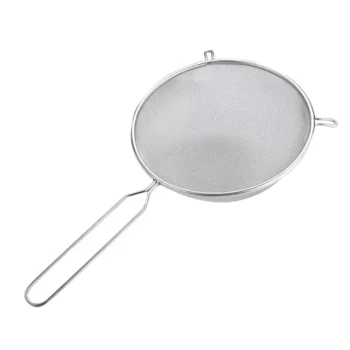
Professional honey filtration and processing equipment fundamentally secure product integrity by mechanically removing physical contaminants like wax and organic debris while stabilizing the product against separation. This machinery is the primary driver for achieving commercial clarity, ensuring accurate quality labeling, and qualifying the product for higher market grades.
The distinction between raw harvest and premium retail product lies in consistency. Professional processing equipment transforms variable raw material into a standardized product by eliminating physical impurities and preventing degradation, ensuring the honey meets the strict sensory requirements of high-end markets.
Achieving Physical Purity and Clarity
Mechanical Removal of Contaminants
Raw honey often contains undesirable physical elements such as wax debris, larvae, and organic residues. Professional filtration systems utilize multi-layer media and centrifuges to systematically remove these macro-impurities without altering the chemical composition of the honey.
Enhancing Visual Appeal
Consumer perception is heavily influenced by the visual clarity of the product. High-precision filtration eliminates micro-impurities, suspended pollen clusters, and air bubbles. This results in the transparent, luminous appearance required for commercial grading standards.
Hygiene and Safety
Beyond aesthetics, the use of closed-loop, industrial-grade processing equipment significantly improves hygiene levels compared to traditional manual squeezing or gravity straining. This reduces the risk of external contamination, which is a prerequisite for entering formal retail distribution channels.
Ensuring Stability and Consistency
Preventing Phase Separation
One of the primary risks to honey quality is "layering" or phase separation, where liquid and crystals separate in the jar. Temperature-controlled processing systems homogenize the honey to prevent this, ensuring the texture remains consistent from top to bottom.
Controlling Crystallization
While crystallization is natural, uneven or rapid crystallization can be perceived as a defect by consumers. Processing machinery stabilizes the honey to delay this process or ensure it occurs uniformly. This prevents the formation of unsightly sediment and extends the product's shelf-life.
Moisture Stabilization
Industrial processing equipment assists in stabilizing moisture content. Proper moisture control is vital for preventing fermentation and spoilage, ensuring the product remains safe and stable over long commercial storage periods.
Impact on Market Grading and Value
Meeting Commercial Standards
Honey grading systems rely heavily on metrics regarding absence of defects, clarity, and moisture content. High-quality processing ensures the final product aligns with these strict parameters, allowing producers to apply accurate quality labels that hold up to scrutiny.
Aligning with Consumer Preferences
Data indicates that approximately 62.3% of consumers prefer the consistency and texture of processed honey. By utilizing specialized equipment to deliver a clean, fluid product, producers can directly tap into this majority market preference.
Commanding Price Premiums
Superior clarity and purity directly correlate to higher retail pricing. By eliminating physical flaws and ensuring a "premium" look, producers can position their goods in high-end markets, preserving brand value and increasing competitiveness among wholesalers.
Understanding the Trade-offs
The Balance of Filtration
While clarity is desirable for mass markets, there is a fine line between purification and over-processing. Excessive filtration (ultra-filtration) can remove all pollen, which strips the honey of its botanical origin markers and nutritional benefits.
Thermal Risks
Temperature-controlled systems must be calibrated precisely. If the processing temperature is too high, it can degrade the honey's natural enzymes and bioactive components. The goal of professional equipment is to facilitate flow and filtration, not to pasteurize the life out of the product.
Making the Right Choice for Your Goal
To maximize the value of your honey, align your processing method with your target market's expectations.
- If your primary focus is Mass Retail Distribution: Prioritize high-precision filtration and crystallization control to ensure shelf stability and the visual clarity that mainstream consumers demand.
- If your primary focus is the "Raw" or Artisanal Market: Utilize coarse filtration to remove macro-debris (wax and bee parts) but avoid high heat or fine mesh filters to preserve pollen counts and natural enzymes.
Ultimately, professional equipment acts as a bridge, converting a variable raw ingredient into a reliable, high-value commercial asset.
Summary Table:
| Feature | Impact on Honey Quality | Commercial Benefit |
|---|---|---|
| Multi-layer Filtration | Removes wax, debris, and air bubbles | Ensures high visual clarity and purity |
| Phase Stabilization | Prevents separation and layering | Extends shelf life and consistency |
| Moisture Control | Inhibits fermentation and spoilage | Ensures safety for retail distribution |
| Precise Thermal Control | Protects natural enzymes and flavor | Maintains "Premium" status and value |
| Closed-loop Systems | Eliminates external contamination | Meets strict industrial hygiene standards |
Elevate Your Honey Production with HONESTBEE
At HONESTBEE, we understand that the difference between raw harvest and a premium retail product lies in the precision of your equipment. We cater specifically to commercial apiaries and distributors, providing a comprehensive wholesale range of:
- Advanced Machinery: From high-precision honey-filling machines to industrial-grade filtration systems.
- Beekeeping Essentials: A full spectrum of professional tools and industry consumables.
- Specialized Hardware: Hive-making equipment and honey-themed cultural merchandise.
Whether you are scaling your distribution or refining your product's market grade, our equipment ensures your honey meets the highest global standards.
Ready to transform your honey into a high-value commercial asset?
Contact HONESTBEE today for a consultation
References
- Lejla Biber, Almir Toroman. Physicochemical and sensory parameters of black locust and chestnut honey quality. DOI: 10.7251/agren2304179b
This article is also based on technical information from HonestBee Knowledge Base .
Related Products
- Electric Double Wall Honey Filtering Machine Purifier Equipment for Honey Processing Plant
- Honey Concentrating and Filtering Dehumidifier Machine 2T Capacity for Honey
- 0.5T Capacity Honey Dehumidifier Dryer with Vacuum Heating and Thickening Filtering Machine
- Professional Honey Filter with Tripod Support Stand
- Professional Stainless Steel Honey Filter with Support Handle
People Also Ask
- What is the process of filtering honey? A Guide to Clean, Pure, and Market-Ready Honey
- What types of equipment are used in honey filtering? Build an Efficient System for Pure, Marketable Honey
- What is the overall importance of using the right equipment in honey filtering? Boost Quality & Marketability
- What is a potential concern associated with filtering honey? Balancing Clarity and Pollen Preservation
- Why is filtering important in honey processing, and what equipment is used? A Guide to Quality & Efficiency