Professional maintenance tools like long-handled hooks and rakes are the primary instruments for establishing a safe physical perimeter around an apiary. By effectively clearing vegetation, these tools create essential firebreaks and remove the cover used by ground-based predators. This proactive site management is critical for preventing catastrophic loss from environmental threats.
Core Insight: While internal hive health is vital, external maintenance with hooks and rakes creates the necessary firebreaks and predator deterrents that allow a colony to survive dry seasons and overwinter successfully.
The Role of Site Maintenance in Colony Defense
Creating Effective Firebreaks
The most immediate contribution of tools like hooks and rakes is the prevention of hive destruction via forest fires.
During dry seasons, surrounding vegetation becomes highly combustible fuel. Using these tools to clear a perimeter creates a firebreak, stopping flames from reaching the wooden hive structures.
Reducing Predator Access
Dense vegetation often serves as a "highway" or hiding spot for apiary predators.
By clearing the ground around the hives, you reduce the presence of threats such as ants and honey badgers. A clean perimeter eliminates the cover these predators rely on to approach the colony undetected.
Improving Environmental Regulation
Colony safety is not just about defense; it is about environmental stability.
Clearing vegetation ensures proper ventilation around the hive. Good airflow reduces humidity buildup and enhances the colony's activity levels, which is a key factor in their overall health.
Boosting Overwintering Success
The physical security provided by a well-maintained site has long-term effects.
A clean, predator-free, and well-ventilated environment directly correlates to a higher overwintering success rate. When external stressors are removed, the colony can focus its energy on survival and temperature regulation.
Understanding the Scope of Protection
External vs. Internal Threats
It is crucial to distinguish between physical site maintenance and biological pest control.
Hooks and rakes are essential for external physical threats (fire, badgers, airflow). However, they offer no protection against biological threats like Varroa mites or viruses.
The Limits of Vegetation Management
While a clean apiary reduces mortality from environmental factors, it must be paired with biological interventions.
As noted in supplementary findings, specialized applicators and monitoring devices are required to manage internal threats. Do not rely on site maintenance alone to ensure the total health of the colony; it is a structural safeguard, not a medical one.
Making the Right Choice for Your Apiary
To ensure the longevity of your colonies, apply these maintenance principles based on your current environmental risks:
- If your primary focus is Fire Prevention: Prioritize using long-handled hooks to clear a wide, bare-earth perimeter before the dry season begins to stop forest fires.
- If your primary focus is Predator Control: Use rakes to remove ground cover close to the hive stand, eliminating the "bridges" that ants and badgers use to access the colony.
- If your primary focus is Biological Health: Recognize that while hooks and rakes secure the site, you must integrate specialized applicators to control mites and viruses internally.
Ultimately, a safe colony relies on a dual approach: rigorous physical clearing for external security and precise biological management for internal health.
Summary Table:
| Feature | Maintenance Benefit | Impact on Colony Safety |
|---|---|---|
| Firebreak Creation | Clears combustible vegetation | Prevents hive destruction from forest fires |
| Predator Deterrence | Removes ground-level cover | Reduces access for ants and honey badgers |
| Airflow Optimization | Enhances perimeter ventilation | Reduces humidity and improves colony health |
| Physical Security | Eliminates external stressors | Increases overall overwintering success rates |
Maximize Your Apiary Productivity with HONESTBEE
At HONESTBEE, we understand that commercial beekeeping success depends on both external site security and internal hive health. As a leading provider for commercial apiaries and distributors, we offer a comprehensive wholesale range of professional beekeeping tools, specialized machinery, and essential consumables.
From heavy-duty maintenance tools that protect your perimeter to advanced honey-filling machines and hive-making hardware, we supply everything needed to scale your operations. Partner with us to access high-quality equipment and unique honey-themed merchandise designed for the global market.
Ready to upgrade your equipment? Contact us today to explore our wholesale solutions!
References
- Bala Musa Kijera. Beekeeping Practice as a Sustainability Approach to Promote Climate Change Adaptation for Income Generation in Gambian Villages. DOI: 10.54026/ctes/1073
This article is also based on technical information from HonestBee Knowledge Base .
Related Products
- HONESTBEE Professional Long Handled Hive Tool with Precision Cutting Blade
- HONESTBEE Professional Multi-Functional Hive Tool with Ergonomic Wood Handle
- HONESTBEE Premium Italian Style Hive Tool with Hardwood Handle
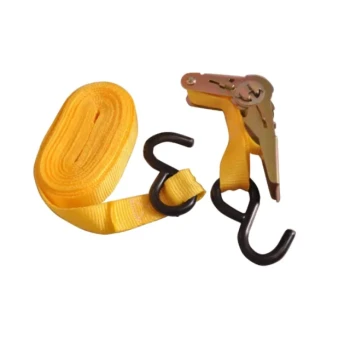
- Versatile Ratchet Hive Strap with S-Hooks for Secure Fastening
- Stainless Steel J Hook Hive Tool for Beekeeping
People Also Ask
- Why are professional hive tools considered indispensable? Master Beekeeping Maintenance with Precision Leverage
- What is the role of professional hive tools in routine apiary maintenance? Expert Tips for Hive Health and Longevity
- What is a bee hive tool? Discover Why It’s the Most Essential Hand Tool for Every Beekeeper
- How do hive tools and queen rearing equipment facilitate the bee colony splitting process? Restore Your Apiary Faster
- Why are professional hive tools & observation equipment necessary for queen rearing evaluation? Master Your Quality